
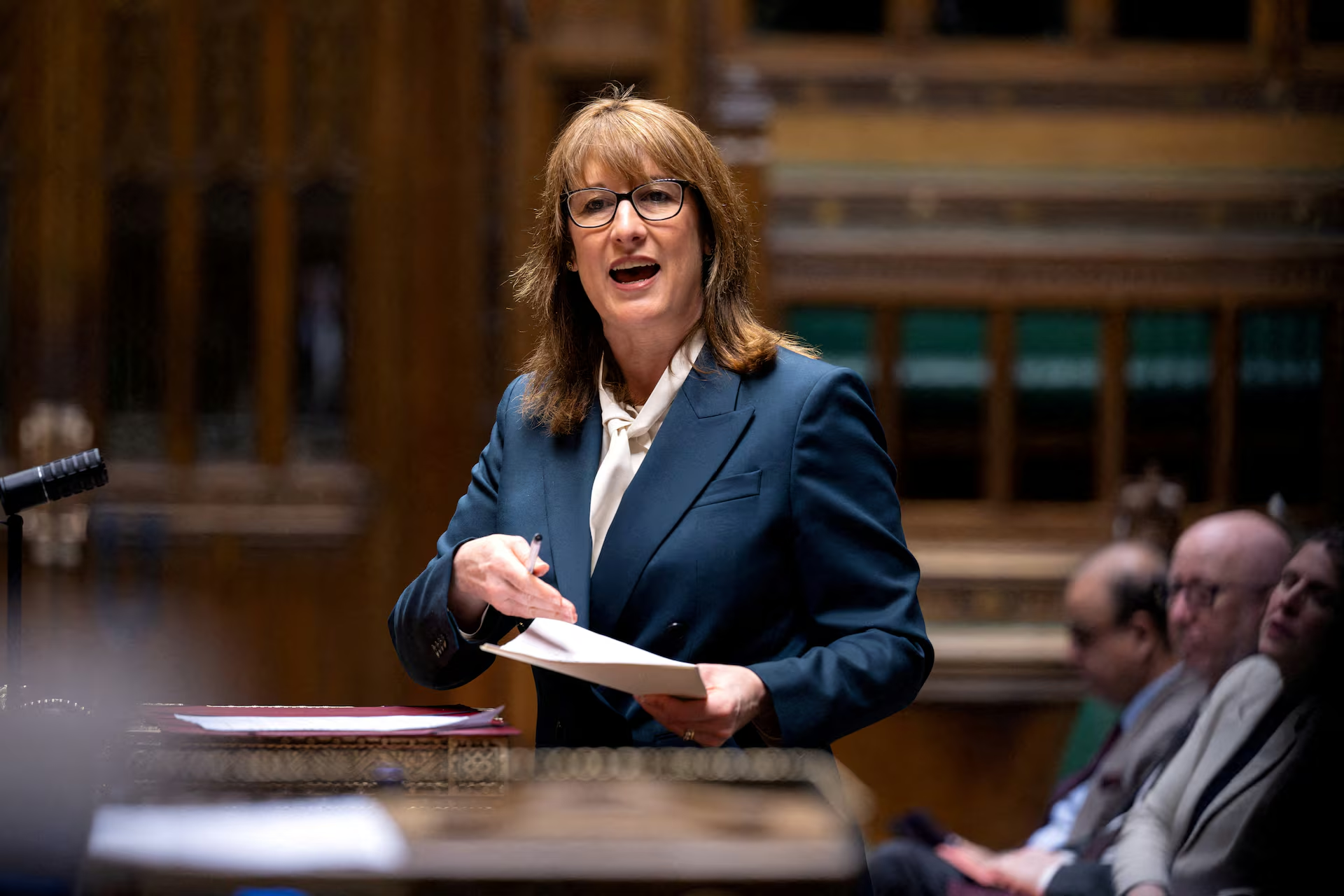
Energy cost cuts have been announced by Rachel Reeves to support UK manufacturers. The move comes as global tensions continue to affect energy prices. Consequently, the government aims to reduce pressure on businesses.
Reeves revealed the plan while attending international meetings in Washington. She said rising costs linked to the Iran conflict could impact inflation. Moreover, she warned that economic growth may slow if energy prices remain high.
The government will expand support under the British Industrial Competitiveness Scheme. Previously, the programme covered around 7,000 businesses. However, the updated plan will extend support to about 10,000 firms. Therefore, thousands more companies will benefit.
Energy cost cuts will reduce electricity bills for eligible manufacturers. The scheme will remove certain charges linked to green energy and backup systems. As a result, companies could save up to £40 per megawatt-hour.
Officials expect the policy to take effect from 2027. In addition, the government will provide one-off payments to some businesses. These payments will target sectors such as automotive, aerospace, steel, and pharmaceuticals.
The government also plans to compensate firms for missed support. It will cover benefits that companies would have received earlier. Consequently, businesses will receive additional financial relief.
Energy cost cuts are expected to cost up to £600 million per year. Ministers argue that the investment will strengthen industrial competitiveness. Moreover, they say it will help protect jobs and encourage growth.
Peter Kyle supported the policy. He said the government will act quickly during periods of global instability. In addition, he stressed that energy costs remain a key concern for industry.
The policy forms part of a wider industrial strategy. The government aims to improve long-term resilience across manufacturing sectors. Therefore, officials continue to focus on reducing operating costs.
Energy cost cuts also respond to rising global energy prices. Disruption linked to the Strait of Hormuz has affected supply. As a result, businesses face increased financial pressure.
Energy cost cuts represent a major policy step for UK industry. The government aims to support manufacturers during uncertain economic conditions. Consequently, the plan is expected to play a key role in economic stability.
For more updates on this news, follow London Pulse News.