
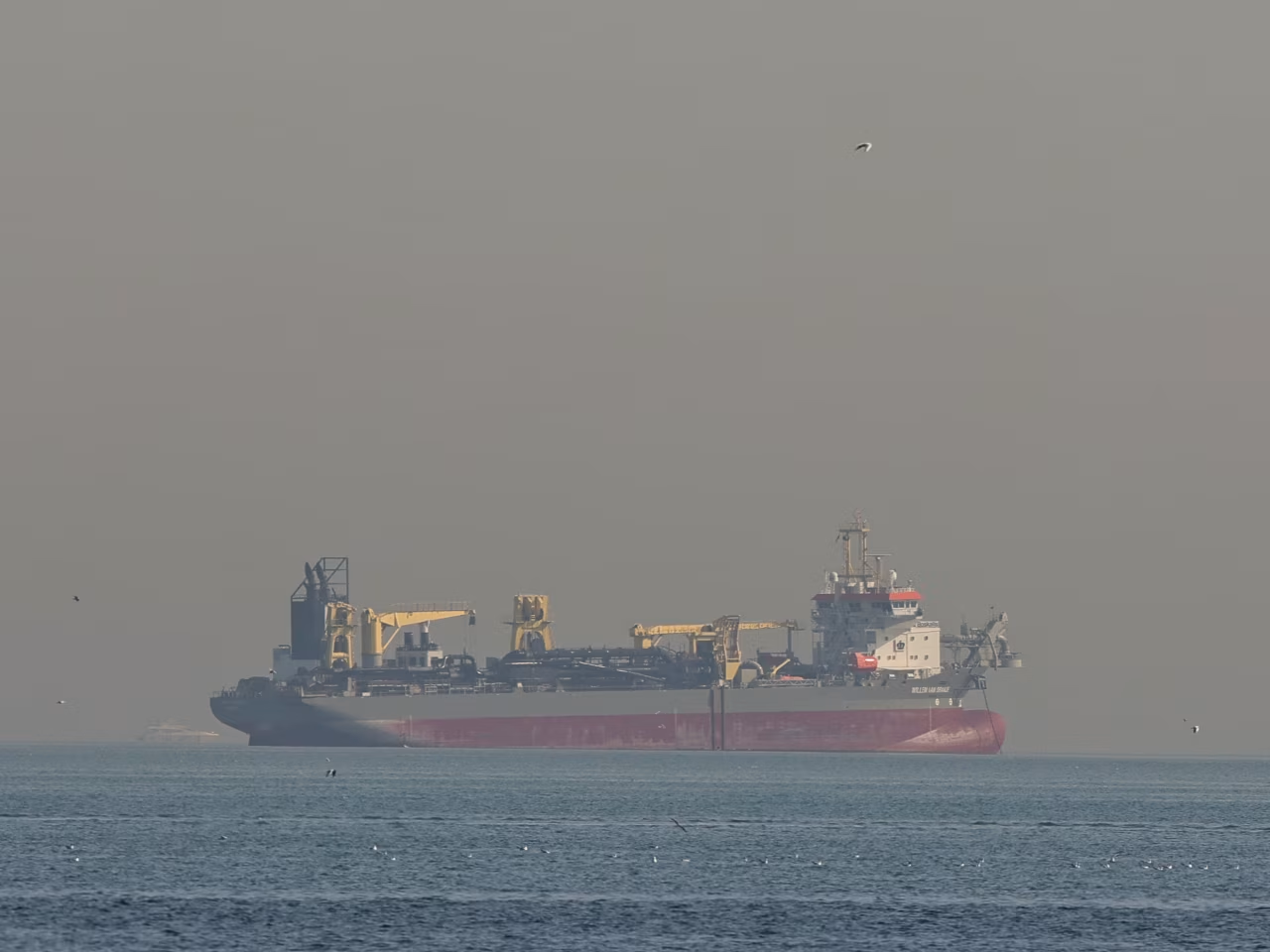
Oil shock fears spread across global markets on Monday after the United States seized an Iranian vessel. Moreover, the incident increased concerns about a possible escalation in the Strait of Hormuz. In addition, investors reacted quickly as energy security worries intensified.
Brent crude rose sharply during early trading. Furthermore, prices climbed by up to five percent, reaching around 95 dollars a barrel. As a result, traders adjusted expectations for supply stability. Meanwhile, analysts warned that volatility could continue. European stock markets fell in response to the developments. For example, the FTSE 100 dropped as investors reduced risk exposure. In addition, the French CAC 40 and German DAX also recorded losses. Consequently, the broader Stoxx Europe 600 index declined as well.
The market reaction followed a statement from Donald Trump about the seizure of an Iranian cargo ship. Moreover, he said the vessel attempted to bypass a US-enforced blockade near the Strait of Hormuz. In addition, he confirmed that authorities took control of the ship and inspected its cargo. The situation raised concerns that ceasefire talks could collapse. Furthermore, diplomatic negotiators had planned to reconvene in the coming days. However, the latest escalation weakened expectations for progress. As a result, investors increased risk aversion across energy and transport sectors.
Airline stocks also fell sharply during the session. For instance, British Airways owner IAG recorded significant losses. In addition, Wizz Air and Ryanair shares declined. Consequently, fears of higher fuel costs and disrupted routes weighed on the aviation sector. At the same time, energy companies benefited from rising oil prices. For example, BP and Shell posted gains on the FTSE 100. Moreover, investors shifted toward oil producers as prices strengthened. Therefore, the energy sector moved against the broader market trend.
Gas prices in the UK also increased. Furthermore, wholesale markets reflected concerns about potential supply disruptions. In addition, analysts warned that prolonged tensions could raise household energy costs. As a result, policymakers faced renewed pressure over energy security. The Strait of Hormuz remained at the centre of market anxiety. Moreover, around one-fifth of global oil and gas flows through the channel. Consequently, any disruption creates immediate global supply concerns.
Oil shock fears drove sharp moves across global markets. Ultimately, rising geopolitical tensions linked to the Strait of Hormuz pushed oil higher and equities lower.
For more updates on this news, follow London Pulse News.