
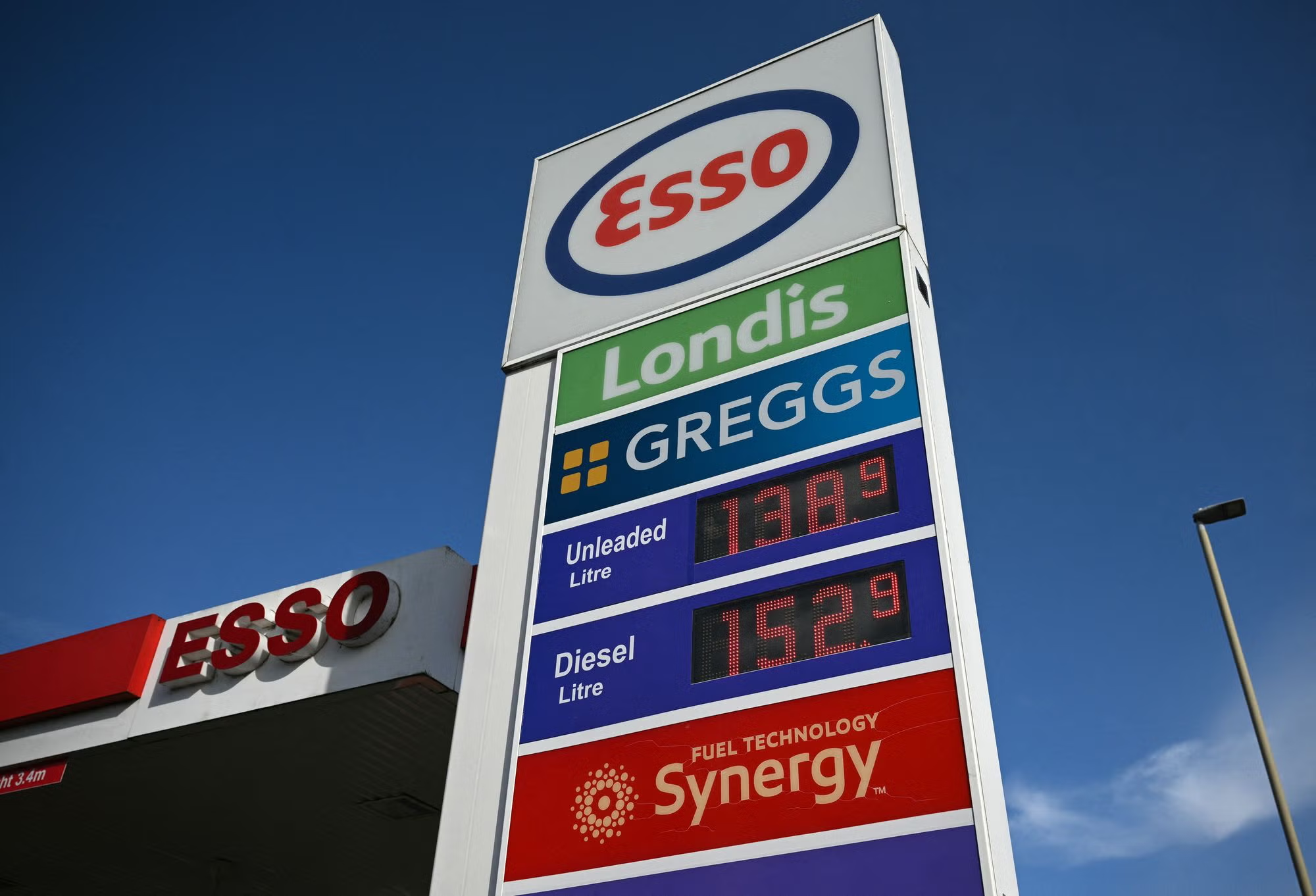
UK inflation rose to 3.3% in March, according to official data released by the Office for National Statistics. The increase follows a rise in fuel and energy costs linked to global market disruption.
Economists had expected inflation to reach 3.3%, and the latest figures matched those forecasts. Prices increased across several sectors, with transport and energy showing the sharpest movements. Motor fuel costs jumped by 8.7% during the month. Analysts said this marked the largest monthly increase since mid-2022. The rise added pressure on households already facing higher living costs.
Services inflation also increased to 4.5%, compared with 4.3% in February. Economists closely watch this measure because it reflects underlying domestic price pressures. Core inflation, which excludes food, energy, alcohol, and tobacco, fell slightly to 3.1%. Analysts had expected it to remain higher, so the drop surprised some observers.
The inflation pressure UK economy continues to reflect global instability in energy markets. Officials linked recent price movements to disruption caused by the ongoing Middle East conflict, which has affected oil supply chains. Before the conflict began, the Bank of England had expected inflation to move closer to its 2% target by April. However, rising energy prices have shifted that outlook.
The Bank of England now forecasts inflation could rise toward 3.5% by mid-2026. The International Monetary Fund also expects further increases, with inflation possibly reaching 4% in the coming months.
Despite rising prices, policymakers remain cautious about interest rate decisions. The Bank of England said it still needs more evidence before adjusting monetary policy. Weak employment data could limit wage growth and reduce inflationary pressure. Market expectations show uncertainty over future rate changes. Some investors predict possible interest rate rises later this year, while others expect stability through 2026.
The inflation pressure UK environment remains closely linked to energy markets and global events. Analysts say fuel prices continue to play a major role in shaping short-term inflation trends. The Bank of England is expected to keep interest rates unchanged at its next meeting. Officials will continue monitoring energy costs, wage growth, and economic demand before making further decisions.
The latest figures highlight ongoing pressure on household budgets. Rising fuel costs and global instability continue to influence the UK’s inflation outlook.
For more updates on this news, follow London Pulse News.