
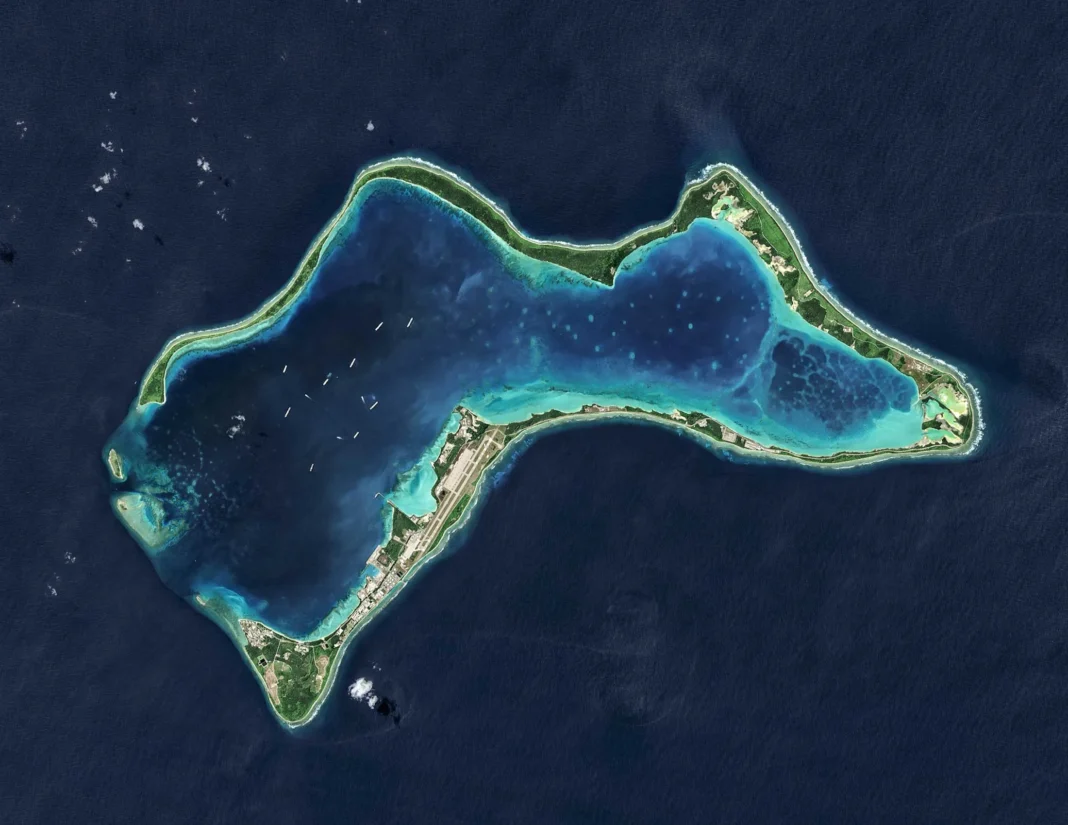
A growing Chagos fishing row has triggered concern over the future of protected waters in the Indian Ocean. The Chagos fishing row follows new scrutiny of plans linked to sovereignty changes. As the Chagos fishing row intensifies, environmental groups and politicians raise serious warnings.
The dispute centers on the Chagos Islands, a remote territory known for its rich marine ecosystem. The area includes one of the largest marine protected zones in the world. For years, strict protections have banned commercial fishing in these waters.
Attention increased after reports suggested the European Commission is monitoring developments closely. Officials believe changes to sovereignty could expand fishing opportunities. This shift may allow European vessels to operate in currently restricted areas.
The situation relates to plans by Keir Starmer to transfer control of the territory to Mauritius. If completed, existing agreements between Mauritius and the European Union could apply to these waters.
Under current rules, EU fleets already fish in parts of the Indian Ocean. Agreements with countries like Mauritius allow access to valuable species. These include tuna stocks that generate billions in global markets each year.
However, conservationists warn that opening the protected zone could cause severe damage. The marine area covers about 640,000 square kilometers. It has served as a refuge for species under pressure elsewhere.
Scientists highlight the importance of the region for biodiversity. The waters support animals such as manta rays, whale sharks, and tuna. Experts also stress its role in maintaining fish populations across the wider ocean.
Enric Sala warned that increased fishing could harm this delicate balance. He argued that industrial fleets may exploit the area aggressively. As a result, long-term ecological stability could suffer.
Meanwhile, political reaction has grown stronger. Nigel Farage criticized the potential outcome. He described the situation as damaging to conservation goals. He also linked the issue to broader concerns about fishing practices.
Similarly, Priti Patel raised objections to the proposed changes. She argued the move could weaken national and environmental interests. Her comments also reflected concerns about foreign access to protected waters.
Environmental groups have also pointed to past concerns involving EU fleets. Critics say some vessels have previously fished in sensitive regions. In addition, reports suggest limited enforcement in certain areas.
At the same time, questions remain about future protections. Mauritius has signaled it may revise current conservation rules. Some proposals could allow fishing across much of the protected zone.
Policy experts warn that such changes would significantly reduce safeguards. They argue that unclear definitions of “traditional fishing” could allow broader commercial activity. Consequently, enforcement may become more difficult.
Despite concerns, officials insist protections will remain in place. Representatives from both the UK and Mauritius emphasize their commitment to conservation. They also highlight ongoing cooperation on marine protection.
As discussions continue, uncertainty surrounds the final outcome. The debate now draws global attention from scientists and policymakers. The future of one of the world’s most important marine environments remains at stake.
For more updates on this news, follow London Pulse News.