
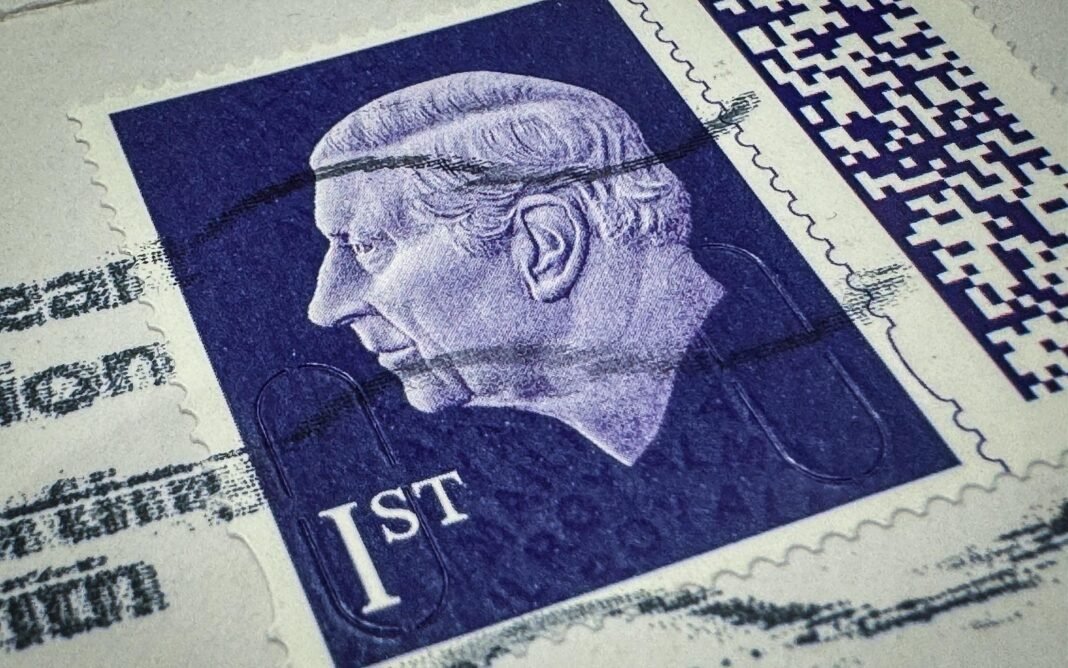
Royal Mail has increased the cost of stamps, drawing criticism from consumers and businesses. The first class stamp now costs £1.80, up 10p, while second class letters rise to 91p, a 4p increase. Consequently, many question whether the stamp price rise is justified given service issues.
The postal service said it needed the increase because fewer letters are being sent, while delivery addresses continue to grow. Furthermore, Royal Mail faces rising operational costs, including energy bills linked to the Iran war. As a result, the company raised its fuel surcharge by 5% for domestic services and 5.5% for international mail starting 3 May.
Royal Mail’s performance has disappointed customers. Only 77% of first class letters now arrive within one working day, below the 93% target. Meanwhile, consumer groups and MPs have voiced frustration over delays. Consequently, critics argue that the stamp price rise penalizes users without improving service.
The latest increase marks the eighth rise in five years. A decade ago, a first class stamp cost 64p, while a second class stamp cost 55p. Today, first class stamps cost almost three times as much. Meanwhile, second class rates remain regulated by Ofcom and rise only with inflation.
Richard Travers, managing director of letters at Royal Mail, said the company balances affordability with delivery costs when considering price changes. Nevertheless, businesses such as Dean Morris’s greeting card company report slower deliveries. He explained that customers often chase orders six or seven days after posting. Consequently, second class letters now pose both logistical and reputational challenges for businesses.
Consumer groups have criticized the stamp price rise. Citizens Advice argues that increases should reflect service quality. Meanwhile, postal staff claimed management asked them to move or hide letters to meet delivery targets. Royal Mail stated it takes such claims seriously and noted that 92% of letters still arrive on time.
Royal Mail owner Daniel Křetínský admitted the service has flaws but said the company has a plan to improve performance. Liam Byrne, chair of the Business and Trade Committee, said he was “very concerned” about ongoing failures in the letter service. Consequently, the stamp price rise has sparked controversy over fairness and accountability.
The stamp price rise provides Royal Mail financial relief but frustrates consumers and businesses. Meanwhile, critics call for accountability and better delivery performance to match higher costs. As a result, the issue remains a hot topic in UK postal services.
For more updates on this news, follow London Pulse News.