
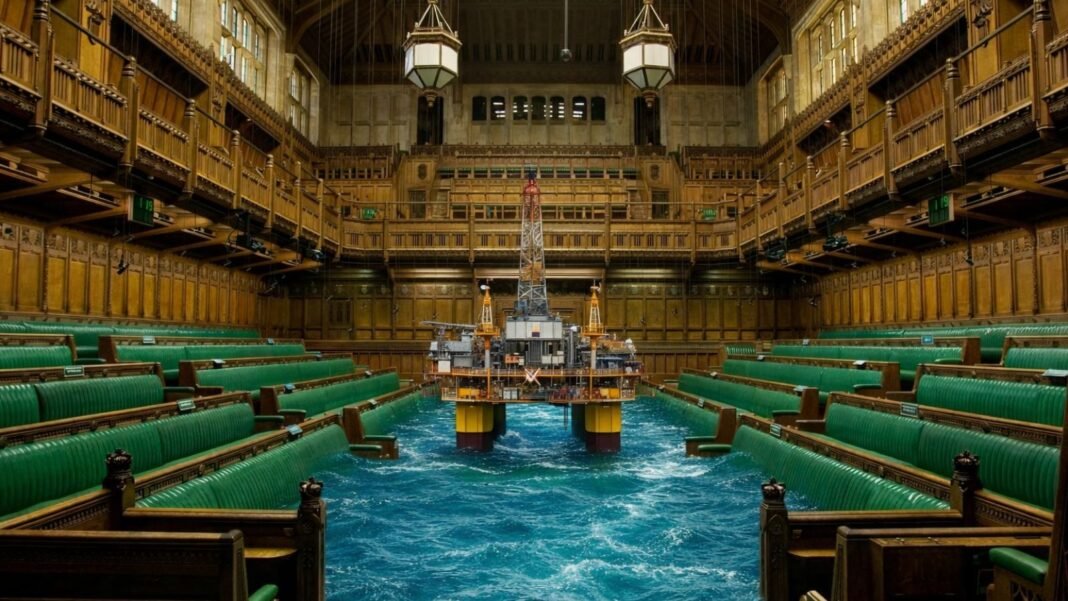
The Conservatives will push for a vote on new North Sea energy projects in the House of Commons. Meanwhile, they will seek approval for the Rosebank and Jackdaw oil fields. Additionally, MPs may vote to end the windfall tax on major energy companies.
Shadow Scottish Secretary Andrew Bowie said the Middle East conflict highlights the importance of domestic energy production. He added that Britain should not import what it can produce at home. Furthermore, he criticized Labour and the SNP for appearing out of touch with public priorities.
Bowie called on other parties to back North Sea energy and support thousands of jobs in Scotland. He said opposition parties must show whether they truly support the oil and gas industry. Meanwhile, some Labour MPs may use the vote to protest existing government policies.
The Rosebank field lies 80 miles west of Shetland and contains roughly 300 million barrels of oil. Jackdaw sits 150 miles east of Aberdeen and could supply significant volumes of domestic gas. The government has banned new oil and gas licensing rounds but preapproved projects may still proceed.
Analysis from Offshore Energies UK (OEUK) suggests domestic gas has a lower emissions footprint than imported LNG. The report also warns that the UK risks energy insecurity without more local production. Furthermore, the study predicts oil and gas will meet around 20 percent of demand in 2050.
OEUK director Enrique Cornejo stressed that Britain can meet climate targets while producing homegrown resources responsibly. He added that failing to develop domestic energy simply moves emissions overseas. Cornejo also said North Sea energy supports high-value jobs and reduces reliance on volatile global markets.
Projections indicate the UK could rely on imported LNG for over a quarter of its gas by 2030. However, with strategic investment and pragmatic policies, OEUK analysis suggests reliance could fall to six percent. Additionally, replacing temporary energy levies with a permanent price mechanism could unlock £50 billion in investment.
Labour energy minister Michael Shanks emphasized a transition to clean energy while maintaining energy security. He criticized the Conservatives for losing a third of the workforce in previous North Sea operations. Furthermore, he stressed the government will protect households and businesses from global fossil fuel volatility.
The North Sea energy debate highlights a growing tension between energy security, climate targets, and domestic industry interests. As MPs prepare for the vote, both parties face pressure to outline clear, long-term strategies.
For more updates on this news, follow London Pulse News.