
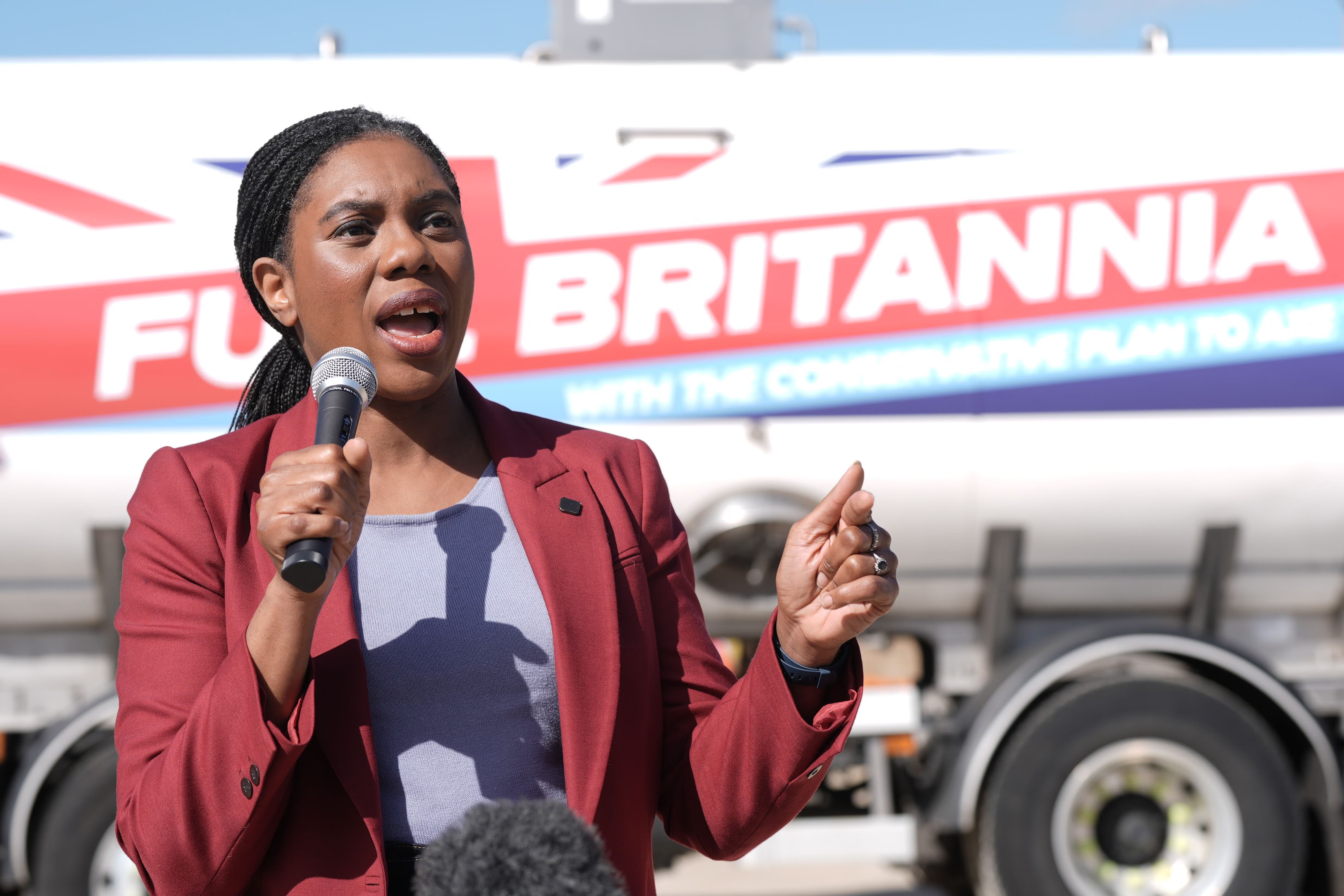
Kemi Badenoch has unveiled a UK energy plan aimed at cutting household bills and boosting domestic production. The UK energy plan promises savings of up to £200 per year for families across Britain. Meanwhile, the UK energy plan also focuses on restarting oil and gas drilling in the North Sea.
Firstly, Badenoch will visit Aberdeen to promote her “Get Britain Drilling” campaign. She argues that domestic production will strengthen energy security during global instability. Moreover, she links her proposals to concerns about the ongoing tensions involving Iran, which could disrupt supplies.
Under the Conservative proposal, the party plans to remove VAT from energy bills. As a result, households could save around £94 annually. In addition, the plan would scrap carbon-related charges, which could save another £75. Furthermore, the party would end certain windfarm subsidies, offering an extra £22 in savings. Consequently, these combined measures aim to reduce pressure on family finances.
Meanwhile, Badenoch criticised Labour’s current stance on energy policy. She argued that existing policies place an unfair burden on middle-income households. Therefore, she positioned her approach as a more balanced solution for economic growth and affordability.
During her visit, Badenoch will appear alongside Russell Findlay. He supports the plan and highlights its potential to protect jobs in Scotland’s energy sector. Additionally, he stated that increased drilling would strengthen the Scottish economy and lower energy costs.
At the same time, John Swinney has taken a different approach. He plans to call for greater control over energy powers for Scotland. Specifically, he wants Scottish Parliament to gain authority over energy decisions. However, critics argue that the SNP has delayed its own energy strategy for years.
Swinney intends to push for these changes during a visit to Peterhead. He believes that devolved powers would support Scotland’s long-term ambitions. Nevertheless, opponents claim that this approach increases political tension rather than solving immediate energy concerns.
In response, Conservative figures have criticised the SNP’s position. For example, Douglas Lumsden urged the Scottish Government to support domestic production. He argued that protecting oil and gas jobs should remain a priority.
The debate highlights a growing divide over energy policy in the UK. On one hand, Conservatives emphasize domestic drilling and cost reductions. On the other hand, SNP leaders focus on devolved control and long-term strategy. Ultimately, the UK energy plan will remain central to political discussions as energy security concerns continue to rise.
For more updates on this news, follow London Pulse News.