
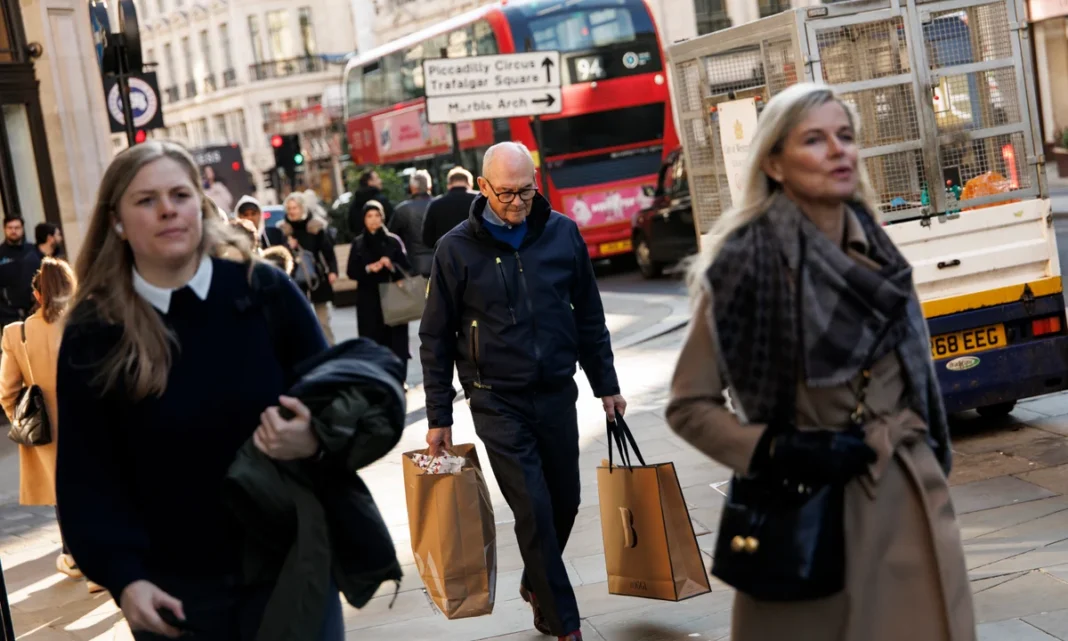
The UK economy shrinks unexpectedly in May, delivering a blow to Chancellor Rachel Reeves’ growth plans. Official data reveals a 0.1% contraction, following April’s decline, as manufacturing and retail sectors struggle.
According to the Office for National Statistics (ONS), factory output dropped sharply. Car production and pharmaceuticals underperformed, while weak retail sales worsened the downturn. Analysts had predicted slight growth, making the contraction a surprise.
The UK economy shrinks unexpectedly just as the government touts its G7-leading growth. First-quarter expansion of 0.7% now looks fleeting, with Q2 forecasts slashed to 0.1%-0.2%. Temporary factors like stamp duty changes and export rushes had inflated earlier numbers.
Chancellor Reeves admitted the results were disappointing but vowed to revive growth. “Getting more money in people’s pockets is my top priority,” she said. Critics, however, seized on the data as proof of economic fragility.
Shadow Chancellor Mel Stride blamed Labour’s policies for the slump, warning of a “ticking tax timebomb.” Liberal Democrat Treasury spokesperson Daisy Cooper said businesses now face “storm clouds” due to government instability.
With the UK economy shrinks unexpectedly, analysts predict an August interest rate cut. Business confidence surveys hint at a June rebound, but sustained recovery remains uncertain.
Economist Hailey Low warned growth prospects are “fragile,” citing eroded fiscal buffers. Autumn budget decisions—whether spending cuts or tax hikes—now loom larger.
Services, including legal firms, grew slightly in May. However, construction and manufacturing declines outweighed gains. Export-focused businesses like Hallmarq Veterinary Imaging thrive globally but call the UK environment “tough.”
Quarterly GDP data due next month will provide clearer trends. For now, the UK economy shrinks unexpectedly, leaving policymakers scrambling for solutions.
For more political updates, visit London Pulse News.