
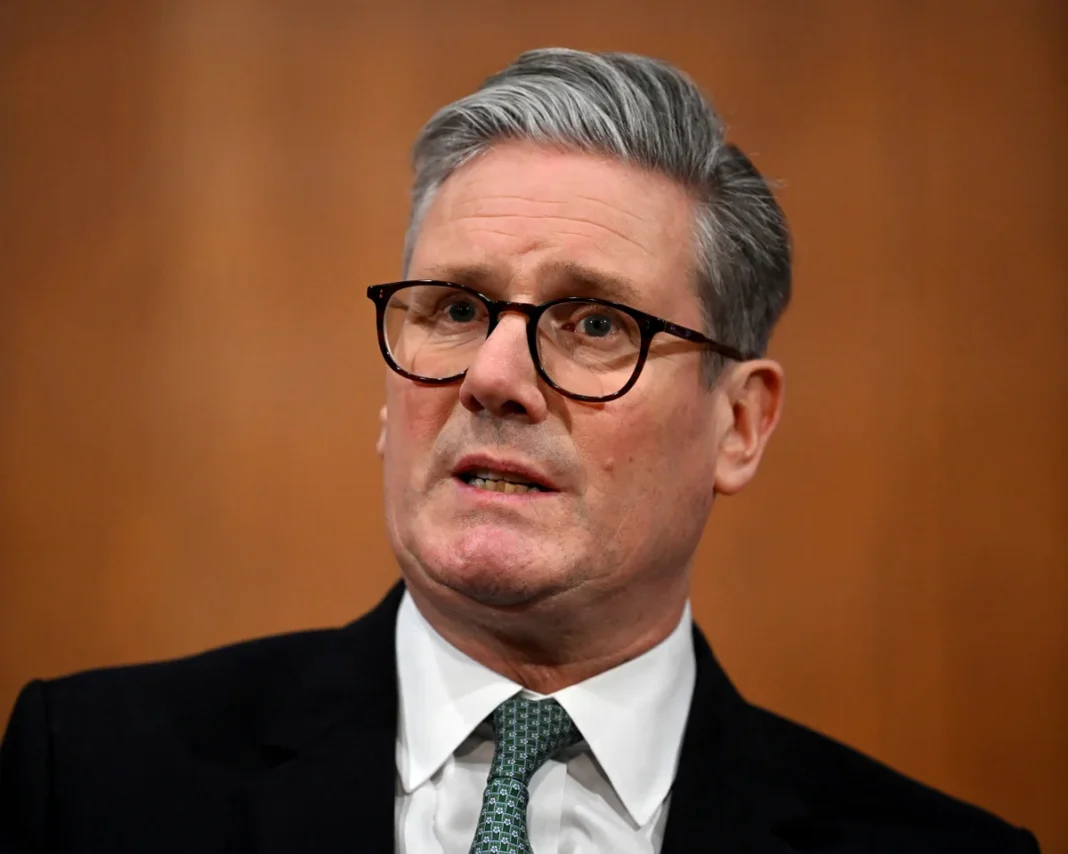
Keir Starmer is introducing tougher ethics rules to replace the current “toothless” watchdog overseeing post-ministerial jobs. Moreover, the Prime Minister plans to impose financial penalties on rule-breakers for the first time. Consequently, this move aims to restore public trust in government standards.
Currently, the Advisory Committee on Business Appointments (Acoba) lacks enforcement power. However, under the new system, former ministers who violate rules must repay severance payments. Additionally, a new independent Ethics and Integrity Commission (EIC) will oversee standards.
From October, the government will enforce tougher ethics rules. For instance, ministers who seriously breach the ministerial code will lose severance pay. Similarly, those serving less than six months will receive nothing. Furthermore, ex-ministers returning to office within three months will forfeit salaries until that period ends.
Previously, Boris Johnson broke Acoba’s rules three times without consequences. For example, he took a lucrative Daily Mail column without approval. Now, the EIC will ensure accountability. Led by former military chief Doug Chalmers, it will merge with the Committee on Standards in Public Life (CSPL).
The EIC will monitor ethics compliance across government. Importantly, it will report annually on the system’s health. It will also guide public sector bodies on improving conduct codes. Nevertheless, existing regulators like IPSA and the Electoral Commission will remain.
Meanwhile, the Civil Service Commission (CSC) will audit departments’ enforcement of post-employment rules. Likewise, the Prime Minister’s ethics adviser will gain more independence. Now, they can launch inquiries without Downing Street’s approval.
Under the current system, ministers receive payouts even after brief tenures. For example, Brandon Lewis got £16,876 for 49 days as justice secretary. However, the tougher ethics rules will stop such payouts for short-serving ministers.
Pat McFadden, Cabinet Office minister, said: “These changes mean stronger rules and clearer accountability.” He added that public trust depends on politicians upholding ethical standards.
With tougher ethics rules, Starmer aims to close loopholes exploited in the past. The reforms signal a shift toward stricter enforcement. Ultimately, the government hopes these measures will rebuild confidence in political integrity.
The EIC’s creation fulfills a 2021 Labour pledge. However, critics had feared delays. Now, the watchdog will finally take shape, ensuring tougher ethics rules shape Britain’s political future.
For more political updates, visit London Pulse News.