
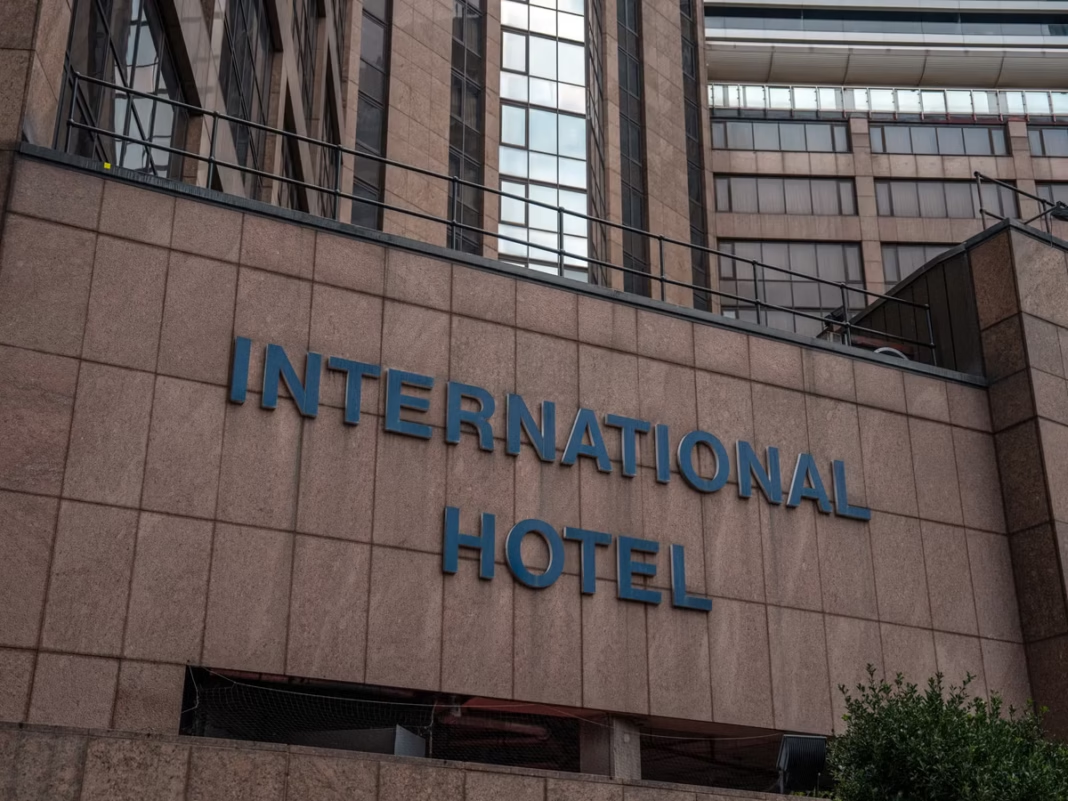
The Home Office has announced strict new measures targeting asylum seekers refusing relocationfrom hotels to alternative accommodations. Officials warn that those who fail to comply risk homelessness and losing financial support.
Recently, protests erupted near The Bell Hotel in Epping, Essex, where asylum seekers currently reside. Meanwhile, the government faces mounting pressure to reduce costly hotel accommodations. Currently, the UK houses over 32,000 asylum seekers in hotels, down from 50,000 in 2023. Ministers aim to end hotel use by 2029, shifting people to cheaper housing options.
Under the updated “Failure to Travel” policy, asylum seekers refusing relocation must move within five days of written notice. Repeated refusal leads to eviction and benefit cuts. The Home Office claims hundreds reject transfers weekly, straining the asylum system. A spokesperson stated the rules prevent abuse while saving taxpayer money.
Asylum seekers typically receive £49.18 weekly for essentials but cannot work during application processing. Similar measures previously targeted those avoiding the Bibby Stockholm barge. Border Security Minister Dame Angela Eagle supports the policy, calling it a necessary step toward fairness and efficiency. However, critics argue for broader reforms.
Liberal Democrat MP Lisa Smart agrees hotels should close but urges better solutions. She suggests allowing asylum seekers to work and improving cross-border cooperation. Local frustrations grow as hotels continue housing migrants. The government insists the new rules will streamline operations while ensuring compliance.
For now, asylum seekers refusing relocation must weigh their options carefully. Authorities emphasize strict enforcement, leaving little room for exceptions. The debate continues as officials balance legal obligations, public concerns, and fiscal responsibility. Further updates are expected as policies take effect in the coming weeks.
For more political updates, visit London Pulse News.