
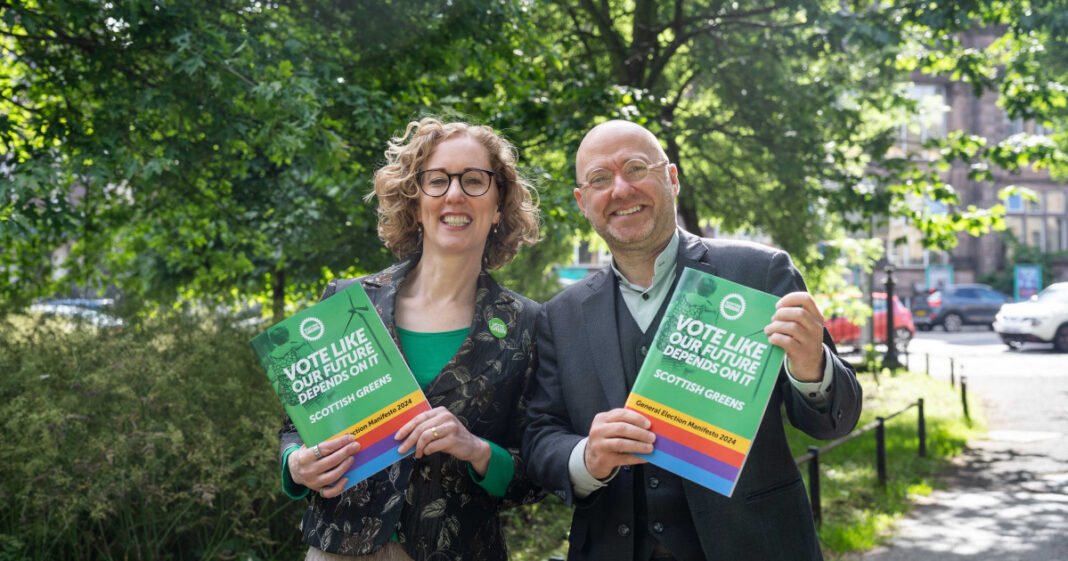
Gillian Mackay, a candidate for Scottish Greens co-leader, insists the party must expand working-class appeal. She argues the Greens must connect with industrial towns facing job losses. Currently, the party struggles to engage voters outside middle-class urban areas.
Therefore, Mackay is among four candidates vying for two co-leader roles. The elections follow Patrick Harvie’s resignation earlier this year. As Holyrood’s fourth-largest party, the Scottish Greens could influence next year’s elections. Polls suggest they may reach 15% support, gaining more seats.
Moreover, the Scottish Greens must expand working-class appeal to remain relevant, Mackay emphasizes. She highlights Falkirk’s economic struggles after the Grangemouth oil refinery closure. Thousands lost jobs, yet the Greens failed to resonate locally. Both Scottish and UK governments lacked a green jobs strategy, she claims.
Additionally, Alexander Dennis’ electric bus factories may soon shut, moving jobs to Nottinghamshire. Aberdeen’s oil-dependent workers also feel ignored. Mackay says the just transition from fossil fuels has stalled. “Green jobs policies need real impact,” she states. The party excels at high-level ideas but struggles to connect with affected communities.
Furthermore, voting for co-leaders began on August 13, with results expected by August 29. Around 7,500 members will decide the outcome. The race includes Lorna Slater, Ross Greer, and Dominic Ashmole.
Slater, Harvie’s former co-leader, promotes continuity despite a rocky ministerial tenure. Critics blame her for the failed deposit return scheme. Greer, a key architect of the SNP-Greens power deal, wants stronger leadership. He pushes clearer policies on poverty, climate, and nature.
For the first time, the Greens dropped a rule requiring one female co-leader. Legal advice influenced this change after a UK Supreme Court ruling. Greer is favored for one post, while Slater and Mackay compete for the second.
In addition, the Scottish Greens must expand working-class appeal to grow beyond their current base.Mackay’s campaign focuses on grassroots engagement. She believes voters care most about tangible community changes. Without this shift, the party risks losing relevance in industrial heartlands.
As the election nears, candidates must prove they can broaden the Greens’ reach. Winning working-class trust could determine their future success. The party’s growth depends on bridging the gap between policy and real-world impact.
Ultimately, the Scottish Greens must expand working-class appeal to secure a stronger political foothold. Their ability to address job losses and economic fears will shape their electoral prospects. With the right strategy, they could emerge as a major force in Scottish politics.
For more political updates, visit London Pulse News.