
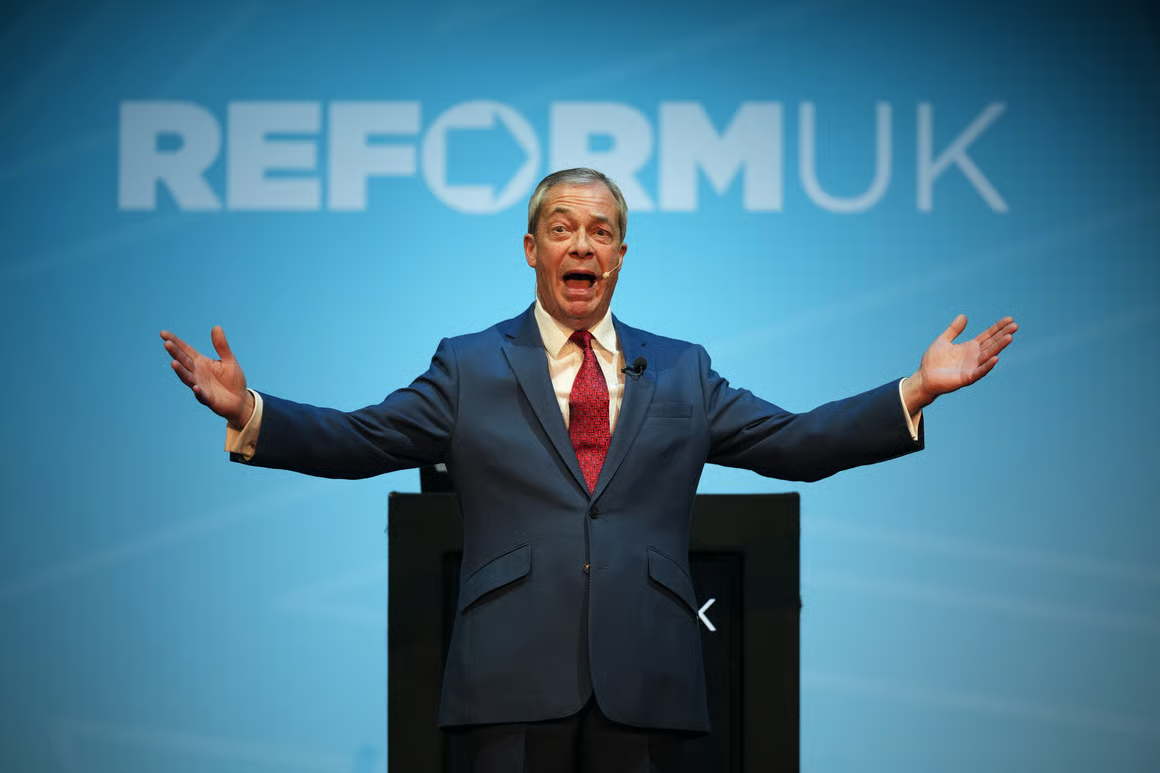
Reform UK leader Nigel Farage has launched a bold challenge to Prime Minister Keir Starmer, demanding the appointment of Reform UK peers in House of Lords. This dramatic move comes despite Reform having just four MPs in Parliament.
Therefore, in a letter to the PM, Farage argued current Lords representation fails to reflect Britain’s political landscape. He highlighted how smaller parties like the Greens and Plaid Cymru have peers despite Reform’s larger vote share. “With 4.1 million votes, we deserve representation,” Farage stated. However, critics quickly noted his party’s minimal parliamentary presence compared to its polling numbers.
Traditionally, Lords appointments remain at the PM’s discretion. While opposition leaders can suggest nominees, there’s no obligation to include smaller parties. A Downing Street spokesperson responded cautiously: “Appointments follow established conventions.” They emphasized the Lords Commission’s vetting role but avoided addressing Farage directly.
Defence Secretary John Healey delivered a scathing rebuke: “The man who wanted to abolish the Lords now wants to pack it with cronies.” Liberal Democrat leader Ed Davey similarly mocked Farage’s sudden interest in the unelected chamber.
Interestingly, Farage acknowledged the Lords needs reform. Yet he insisted immediate representation for Reform was essential. “The democratic disparity can’t continue,” he argued.
Farage pointed to striking imbalances:
- Lib Dems: 76 peers vs 72 MPs
- Reform: 0 peers despite 4.1 million votes
- Greens/Plaid/UUP: 13 peers combined
“This system makes no sense after Britain’s political earthquake,” Farage declared. However, constitutional experts note peerage appointments have always lagged behind electoral changes. With Starmer unlikely to concede, this confrontation may escalate. Reform’s recent local election successes add weight to Farage’s demands. Yet the Lords tradition favors established parties.
As pressure mounts, the Reform UK peers in House of Lords debate could force broader discussions about Britain’s democratic structures. For now, Farage’s campaign spotlights growing tensions between populist movements and traditional institutions.
For more political updates, visit London Pulse News.