
The UK faces intense financial pressure due to soaring borrowing costs. The yield on 30-year government bonds has jumped sharply. This increase pushes borrowing expenses toward a twenty-seven-year peak. On Tuesday, the yield rose eight basis points. It reached 5.62 percent. Consequently, this nears April’s high of 5.66 percent. Financing government debt now costs over £100 billion annually.
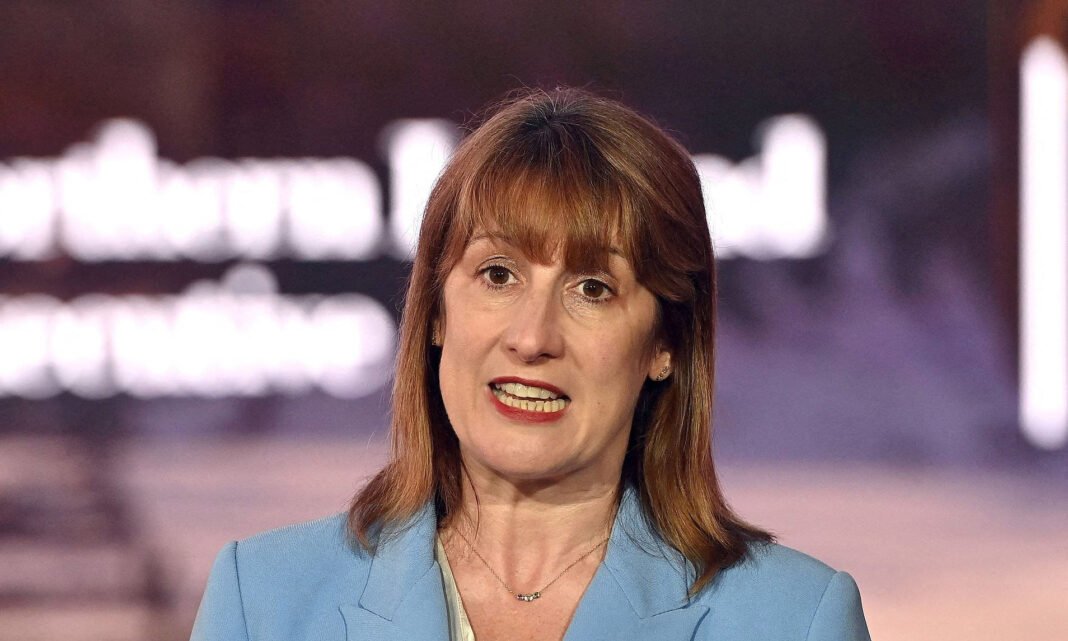
Therefore, economists highlight a unique strain on UK finances. Higher welfare and healthcare needs are driving deficits globally. However, Britain’s situation appears particularly severe. Chancellor Rachel Reeves now confronts a major challenge. She must address a deficit between £20bn and £40bn. Therefore, her autumn budget requires difficult decisions.
Moreover, to maintain her fiscal rules, she needs up to £50bn. This money must come from taxes, spending cuts, or more borrowing. Soaring borrowing costs complicate every option. Investors fear persistently high UK inflation. This erodes the value of their holdings. Bank of England official Catherine Mann shares this concern. She warns policymakers underestimate “inflation persistence.”
Furthermore, expert Mohamed El-Erian points to stagnant productivity. This is a core UK problem. He says the economy lacks shock absorbers like the US or France. Professor Jagjit Chadha calls the situation “dire.” He urges the Chancellor to “get a grip” on finances. He even warns a global shock could force an IMF bailout.
However, the Treasury plans to auction £300bn of debt this year. A £5bn auction is scheduled for Wednesday. Market confidence is crucial for its success. Former Bank deputy governor Charlie Bean criticizes Labour’s constraints. He says tiny fiscal buffers and ruling out tax hikes created a rod for their own back. He suggests integrating NI with income tax.
Historically, 30-year yields were around 2.4% in 2022. The Truss mini-budget then caused a spike to 5%. Yields have remained elevated since then. In conclusion, soaring borrowing costs define the UK’s economic climate. Moreover, the government’s next moves are critical for stability. All eyes are on the Chancellor’s autumn budget.
For more business updates, visit London Pulse News.