
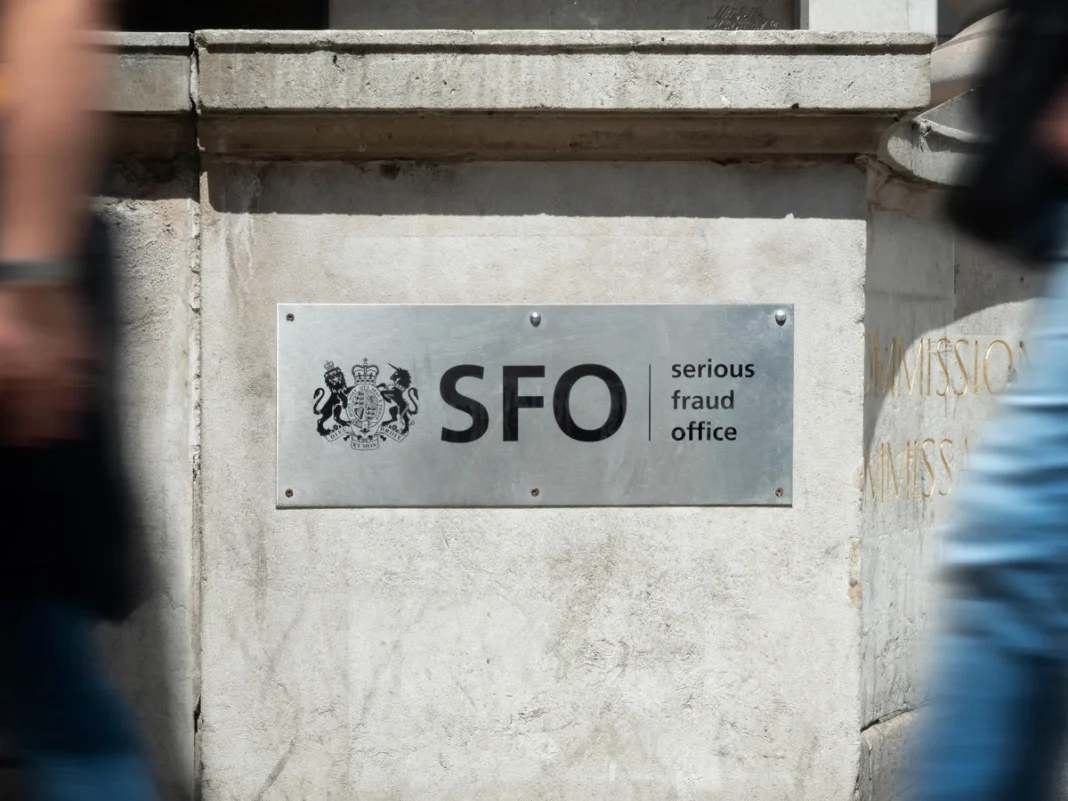
A significant new corporate offence comes into force today. Companies now face prosecution for failure to prevent fraud. This applies if their firm profits from fraudulent acts. Consequently, large organisations could receive unlimited fines.
Therefore, the law holds companies criminally liable for their associates’ actions. An “associated person” includes employees, agents, or subsidiaries. They must commit fraud intending to benefit the organisation. Examples include dishonest sales practices or hiding key information. Dishonest acts in financial markets also apply.
Furthermore, if prosecuted, a company must prove its anti-fraud measures were reasonable. The law targets large organisations meeting specific criteria. These include over 250 employees, £36m turnover, or £18m in total assets.
However, fraud Minister David Hanson hailed this pivotal moment. He said it strengthens anti-fraud culture and protects businesses. Furthermore, it aims to build corporate trust and support economic growth. He called fraud a shameful crime demanding justice.
Moreover, law firm Irwin Mitchell noted a fundamental shift. It removes the need to prove senior management complicity. Therefore, accountability standards are now much stricter.
Failure to prevent fraud carries severe consequences. Companies risk unlimited fines and major reputational damage. They also face criminal investigation by the SFO or CPS. Compliance is part of the Economic Crime and Corporate Transparency Act.
Colette Kelly, a regulatory specialist, warned of significant impact. She said risk exposure for organisations has increased. However, courts will decide if procedures are sufficient. Outcomes remain uncertain until prosecutions begin.
Recent statistics show a thirty-one percent increase in fraud. The Home Office intends this law to build an anti-fraud culture. It mirrors the success of similar bribery legislation from 2010.
The CPS called it a major step forward in accountability. Chief Crown Prosecutor Hannah von Dadelszen issued a strong warning. Large organisations must implement robust fraud prevention systems. Otherwise, they leave themselves open to legal action.
Irwin Mitchell advises businesses to act immediately. They should review fraud risk assessments and update internal controls. Training for staff and third parties is essential. Everyone must be aware of whistleblowing procedures. This proactive approach is crucial for compliance.
For more business updates, visit London Pulse News.