
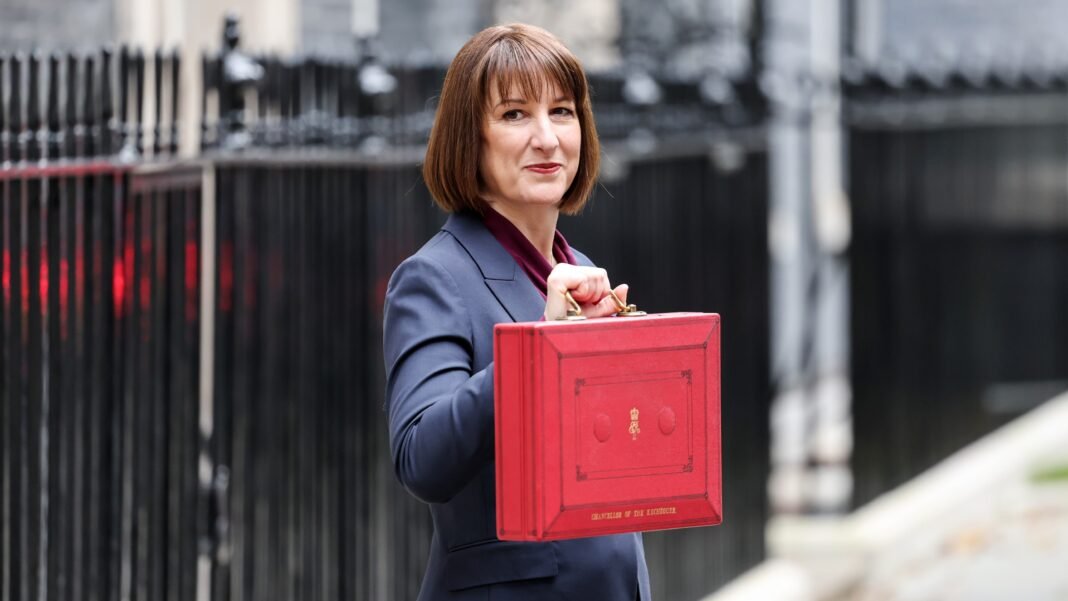
Chancellor Rachel Reeves is defending her strategy. She firmly rejects claims of a £50bn financial black hole. This defense outlines the core of the Rachel Reeves fiscal plan. Higher borrowing costs are increasing pressure. Consequently, speculation about tax rises is growing. Despite this, Reeves insists many reports are simply talking rubbish.
Furthermore, she aims to get the balance right in her November Budget. The Conservatives counter her claims. They argue the government does not know what it is doing. Reeves offered reassurance to working people and businesses. She promised to return growth and investment to the economy.
Moreover shadow chancellor Mel Stride accused the government of stalling. He said they hope things might get better. An independent think tank originally estimated the £50bn gap. The National Institute of Economic and Social Research made the forecast. Reeves played down this figure significantly. She stated Niesr often got its numbers wrong in recent years.
However, the think tank declined to comment afterward. Other forecasts vary widely for the needed funds. Some estimates put the figure closer to £25bn. The Rachel Reeves fiscal plan involves two strict rules. These rules are completely non-negotiable for her. First, day-to-day costs must be paid by tax income by 2030. Second, debt must fall as a share of national income by 2030.
Furthermore, labour made a major pledge before the election. They promised no tax rises on working people. This specifically included VAT, National Insurance, and income tax. However, Reeves already increased employer NI last year. This move caused a backlash from many businesses. Recent U-turns on welfare cuts also created pressure.
Moreover, now she must find alternative revenue streams. This has led to intense speculation about new taxes. Potential targets include property, banks, and wealth. Reeves hit back strongly at these reports. She said people claiming to know her decisions are wrong. Also, she called their speculation irresponsible and rubbish.
Therefore, she stated the final decisions are hers alone. She will make them carefully and deliberately. Her goal is funding vital public services properly. She specifically mentioned the National Health Service. Simultaneously, she must bring growth and investment to Britain. She is working in lockstep with Downing Street’s new economic team.
Recent personnel changes have strengthened Number Ten. Reeves denied that higher borrowing costs hurt her credibility. She said they moved in line with other countries. Therefore, she cited global pressures from the US to Europe. She stated the UK is not immune to these worldwide trends.
In addition, long-term borrowing costs are rising everywhere. Political uncertainty and high debt levels are causes. Some commentators fear a UK bailout might be needed. They suggest the International Monetary Fund could be involved. Reeves dismissed this idea completely. She said serious economists do not accept that notion.
She argued there are many positive signs in the economy. However, she accepted a major challenge remains. Working people need to feel the benefits of growth directly. She was asked about returning to welfare for savings. She said the welfare state must support those in real need. But she also emphasized ensuring everyone who can work does work.
A review of disability benefits is expected shortly. Some Labour MPs are campaigning against the two-child benefit cap. They want it reversed to alleviate child poverty. The Rachel Reeves fiscal plan will be fully revealed on November 26th. The nation awaits her decisions with great anticipation.
For more political updates, visit London Pulse News.