
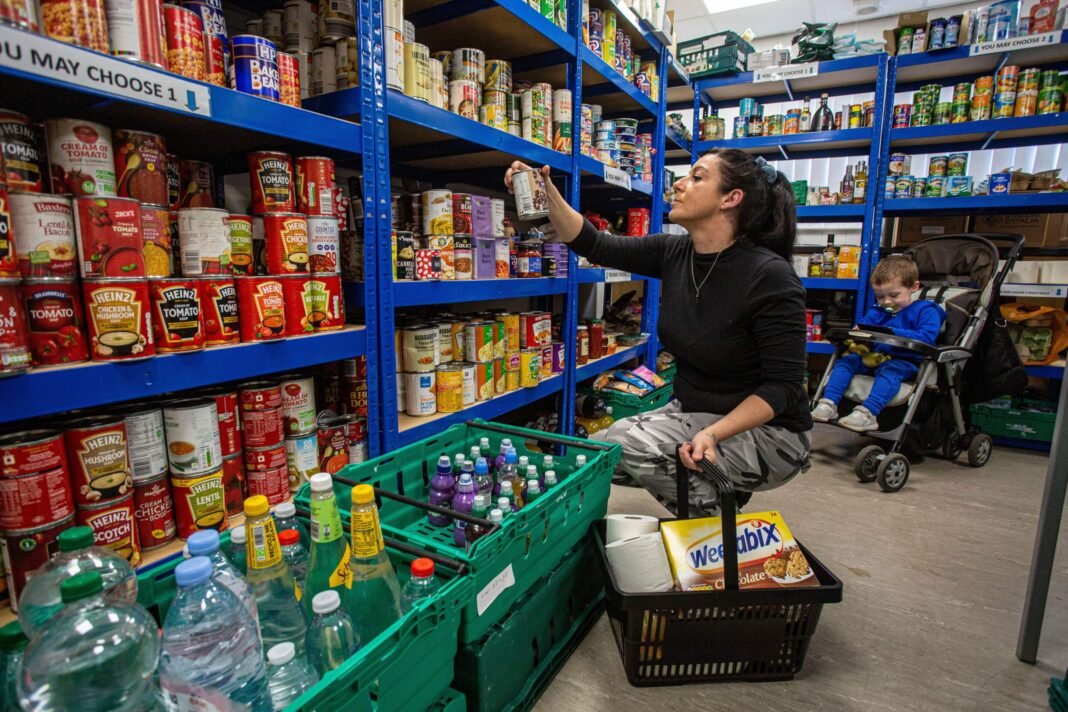
The UK’s largest food bank network, Trussell, has issued a stark warning. Consequently, public discontent is growing over rising living costs. Moreover, one in six households experienced hunger last year as they endure severe hardship. This alarming statistic highlights a severe national crisis.
Trussell’s recent report reveals deeply troubling trends. Importantly, employment no longer guarantees food security. Many low-paid workers, including carers and bus drivers, now rely on food banks. Specifically, three in ten people referred to food banks in 2024 were from working households. This figure has risen significantly from 24% just two years ago, reflecting severe hardship among working families.
The government previously promised ambitious action. Their manifesto committed to reducing child poverty drastically. They also vowed to end mass dependence on food parcels. However, Trussell warns that current efforts are insufficient. Without urgent intervention, severe hardship risks becoming a permanent “new normal.”
Trussell operates 1,400 food bank outlets across the UK. They report that over 14 million people were food insecure last year. This shocking number includes 3.8 million children. Therefore, families in deprived areas experiencing severe hardship are three times more likely to face hunger.
A major point of contention is the two-child benefit limit. Scrapping this policy would lift 670,000 people out of poverty. This change would notably help 470,000 children. Nevertheless, the government resists this move due to its £3 billion annual cost. Currently, 1.7 million children live in households affected by this limit.
Trussell’s director of policy, Helen Barnard, emphasized the human impact. Parents constantly worry about basic necessities like school trips and bus fares. Sadly, an entire generation of children is growing up familiar with food banks, a clear sign of severe hardship.
The government points to its ongoing efforts. They highlight extended free school meals and a £1 billion crisis support fund. Additionally, a child poverty taskforce will publish a new strategy this autumn. Reforms to jobcentres and the welfare system are also planned.
However, critics argue these measures are not enough. The upcoming autumn budget presents a critical opportunity. The government must take decisive action to address this escalating crisis. Ultimately, tackling food bank dependence requires comprehensive and compassionate policies.
For more business updates, visit London Pulse News.