
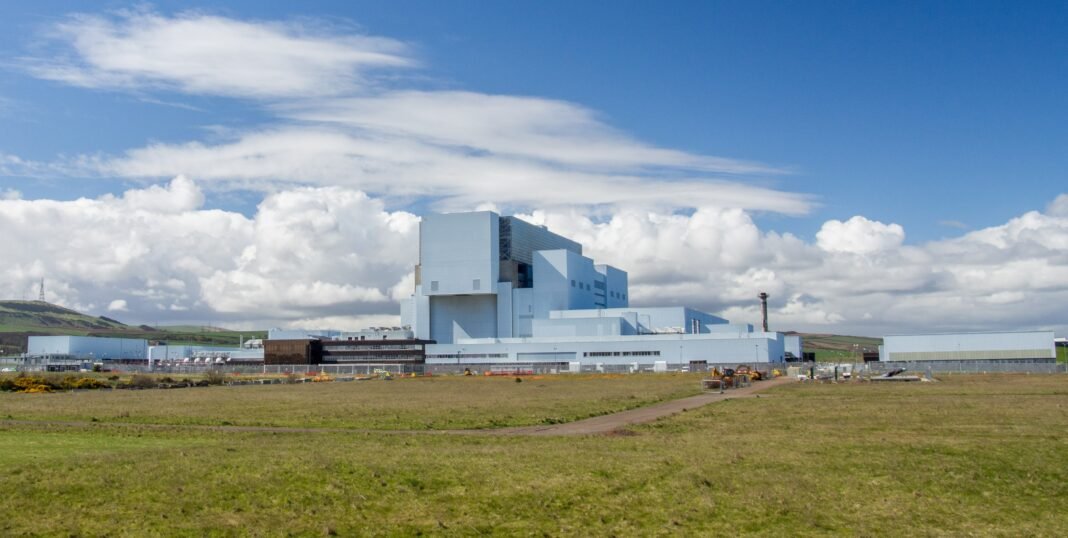
The nuclear power plan introduced by Labour has reignited intense debate about Scotland’s energy future. Moreover, UK Energy Secretary Ed Miliband announced that Torness and Hunterston could host new nuclear power stations if Labour wins the next election.
Speaking in London, Miliband confirmed that a Labour government would immediately invite global investors to Scotland after taking office. Furthermore, he and Scottish Labour leader Anas Sarwar plan to rebuild Scotland’s nuclear industry and create thousands of skilled jobs.
Miliband argued that the SNP’s opposition has stunted progress. He added that the nuclear power plan offers growth, innovation, and energy security. “We are saying yes to new nuclear in Scotland,” he declared.
Meanwhile, government officials have already begun assessing both Torness in East Lothian and Hunterston in North Ayrshire for potential construction. Additionally, UK ministers say early groundwork will speed up investment once Labour assumes power.
However, the SNP continues to reject nuclear expansion. Party leaders argue that the technology remains unsafe, expensive, and outdated. Scottish Energy Secretary Gillian Martin said the government would continue prioritising renewable energy over “costly nuclear power.”
Paul McLennan, the SNP MSP for East Lothian, warned Labour not to impose nuclear projects on Scotland. He accused the party of ignoring Scotland’s right to decide its energy future. “Our focus must remain on renewables, not on dangerous and costly nuclear ventures,” he said.
Despite strong opposition, Miliband insists the nuclear power plan could transform Scotland’s economy. He emphasised job creation, clean energy, and reduced reliance on imports. Moreover, he added nuclear power would help achieve long-term climate goals.
Industry leaders support the proposal. For instance, Tom Greatrex, chief executive of the Nuclear Industry Association, said Scotland could lead the UK’s energy transition. He also predicted that new facilities at Torness and Hunterston would supply reliable electricity for decades.
Torness will close in 2030, and Hunterston B ended operations in 2022 after 46 years. Nevertheless, Miliband believes both locations can host modern reactors under stricter safety and environmental standards.
Meanwhile, recent polls show Labour trailing the SNP, but energy policy could reshape the political landscape. Analysts expect the nuclear debate to dominate the 2026 Holyrood election.
In conclusion, the nuclear power plan signals a major shift in Labour’s energy strategy. Critics view it as risky, while supporters argue it represents a bold step toward sustainable growth and energy independence.
For more UK Political news updates, follow London Pulse News.