
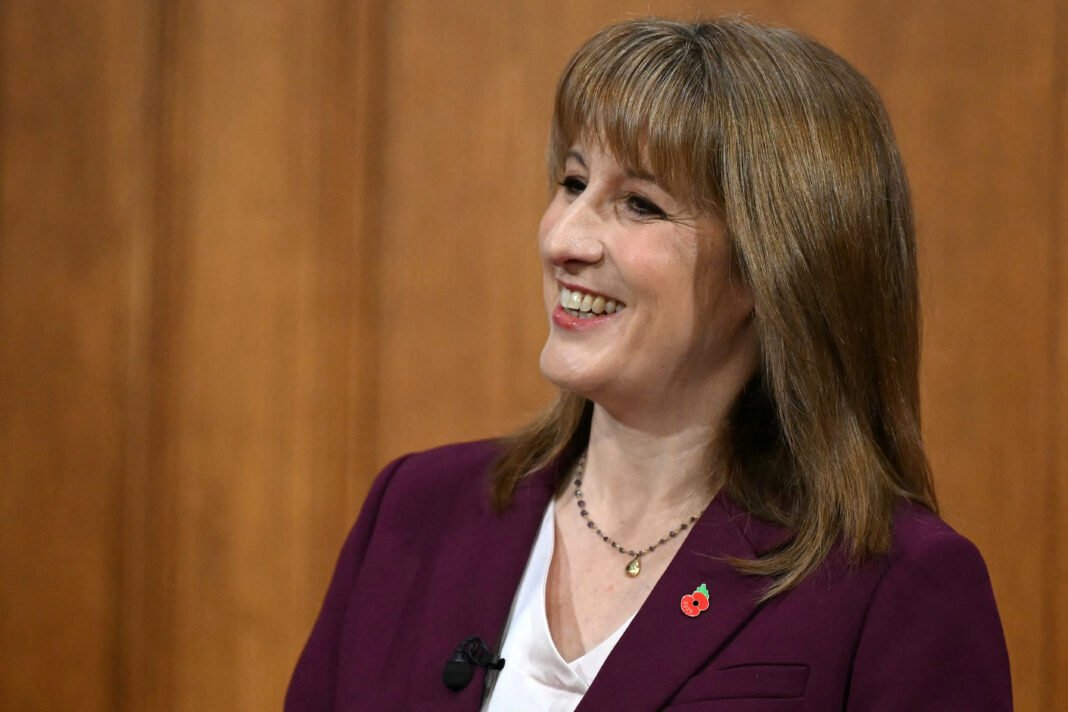
The Reeves tax rise warning in her pre-budget speech has confirmed the government’s plan for higher taxes next month. Rachel Reeves told voters she would take “necessary choices” to secure strong economic foundations and long-term stability. Her statement leaves little doubt that tax increases are coming in the 26 November Budget.
Although expected, the announcement still risks a political backlash. Labour pledged not to raise income tax, VAT, or National Insurance. If these rates now rise, Reeves could face fierce criticism from her own benches. The Reeves tax rise strategy also appears risky after her first Budget already raised taxes by £40 billion. Back then, she promised not to “come back with more tax increases.”
Critics say Labour repeated Tony Blair’s 1997 mistake of pledging tax restraint before breaking it in government. Others draw comparisons with Margaret Thatcher, who faced similar challenges in 1979 but acted transparently. Thatcher warned voters before her election that VAT would likely rise to fund income tax cuts.
Her chancellor, Geoffrey Howe, delivered exactly that. His first Budget cut income tax and nearly doubled VAT. Importantly, the rise excluded essentials like food, fuel, and transport. Reeves could have adopted a similar approach before the 2024 election. A clear promise of “fair tax increases” to fund public services might have strengthened her mandate.
Many economists argue that the Conservatives’ collapse after Liz Truss’s mini-budget gave Labour political room for honesty. Yet Labour chose caution instead. That decision now limits Reeves’s flexibility and weakens her case for urgent reform.
The government also struggles with welfare policy. Reeves and Keir Starmer face strong resistance from MPs to benefit changes. The lack of unity has stalled progress on welfare reform and left policy unclear.
Furthermore, delaying tax rises for 18 months after the election has created frustration. Announcing them now, even with notice, may not calm voters.
Last year, Reeves blamed a “fiscal black hole” on the Conservatives. This year, she faces another gap due to falling productivity forecasts. With growth flat and borrowing restricted, Reeves has few options. Spending cuts are politically toxic, leaving tax increases as her only path forward.
In truth, the Reeves tax rise plan reveals an unavoidable reality. To stabilise the economy, the Chancellor must raise revenue regardless of the political cost. As November’s Budget nears, Britain waits to see whether Reeves can deliver stability without losing public trust.
For more updates on this news, stay tuned to London.