
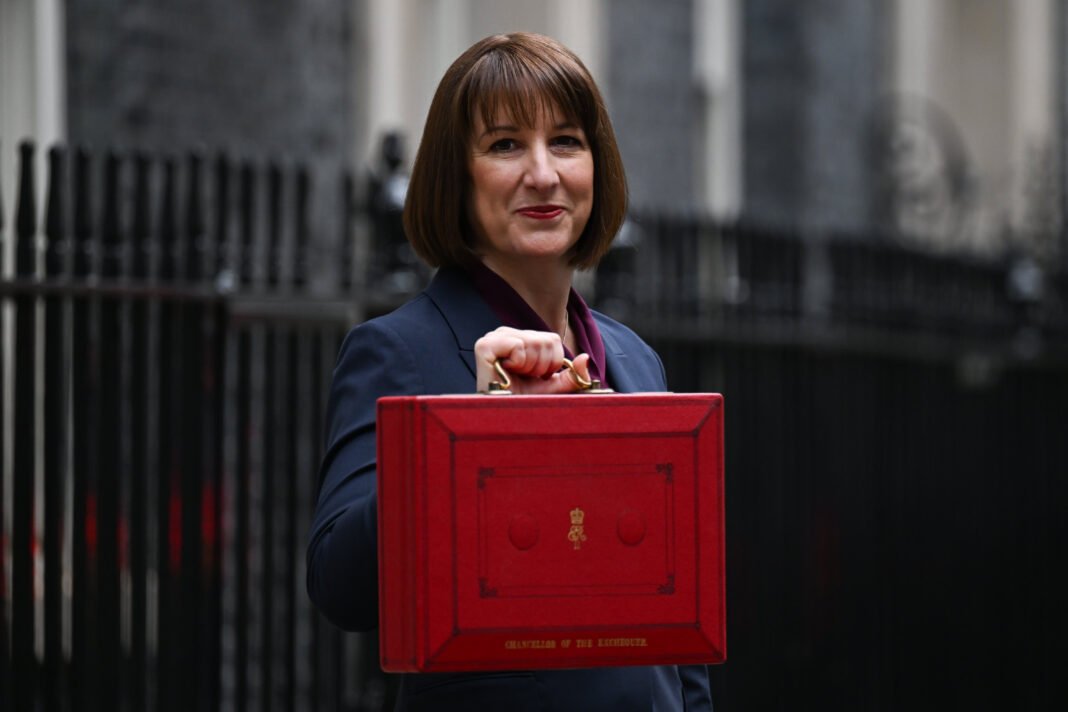
Chancellor Rachel Reeves has confirmed that the government will investigate alleged leaks ahead of the recent Budget.
She admitted to MPs on the Treasury Select Committee that “too many” leaks occurred in the run-up to the announcement. Reeves described the leaks as “unacceptable,” “inaccurate,” and “very damaging” to public confidence in government planning.
She emphasized that the information shared was not part of any off-the-record briefing, but rather a leak. The leaks had fueled speculation that she might increase income tax rates despite Labour’s manifesto pledges.
Labour’s manifesto explicitly committed to avoiding income tax rises, which would have required deep cuts to public spending. Later, the public learned that the government had abandoned any proposal to raise the income tax rate.
Reeves explained to MPs that she and Prime Minister Keir Starmer had decided “as a team” to maintain current rates. She added that a full inquiry into the leaks is now underway to determine who was responsible.
Permanent Secretary James Bowler confirmed the Budget leaks inquiry would examine ministers, officials, and advisers with access to sensitive information. Reeves stressed the importance of safeguarding sensitive data to maintain market confidence and the integrity of government forecasts.
The leak controversy arose shortly before the Budget, creating uncertainty among media, analysts, and the public. Opposition MPs criticized the leaks, suggesting they may have influenced market expectations and public perception of fiscal planning.
Reeves insisted that protecting sensitive economic information is vital to prevent misinformation and unwarranted speculation. She highlighted that all staff with access to Budget information are expected to follow strict security protocols.
The Chancellor also outlined steps to strengthen Treasury procedures and prevent similar incidents in future fiscal events. The Budget leaks inquiry represents one of the government’s most serious efforts to ensure transparency and accountability.
Labour insiders emphasized that the inquiry is not intended to single out individuals but to identify systemic weaknesses. Meanwhile, economists continue to monitor the potential market impact of Budget leaks and how they shape public trust.
Reeves concluded that lessons from this incident will guide future Treasury operations and reinforce the importance of confidentiality. The Budget leaks inquiry will likely influence how ministers, advisers, and civil servants handle sensitive information going forward.
For more updates on this news, follow London Pulse News.