
Britain faces a historic tax burden as ministers seek to fund record welfare spending, according to new forecasts.
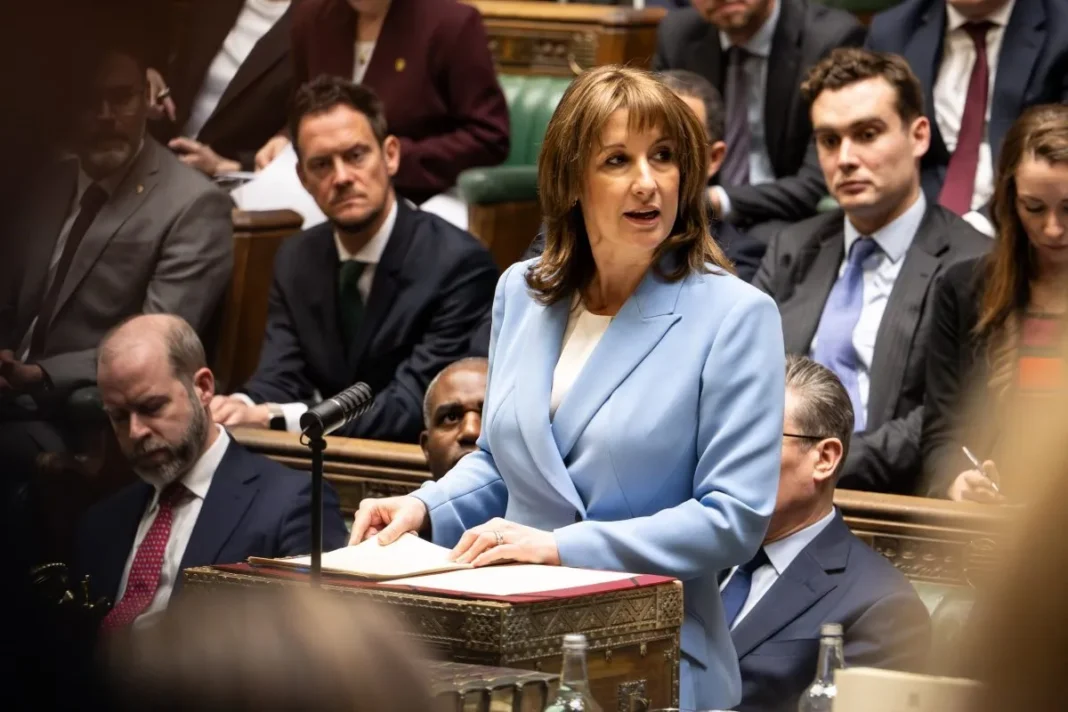
Chancellor Rachel Reeves insisted Labour’s economic plan is working as she delivered her Spring Statement. However, the Office for Budget Responsibility warned the overall tax take will reach a “historical high” by the end of the decade.
The watchdog said the burden will climb to 38.5% of GDP. That figure marks a post-war record. It also stands six points higher than levels before the pandemic.
A continued freeze on income tax thresholds will draw another one million low-income pensioners into the tax system. Campaigner Dennis Reed, from Silver Voices, urged the Chancellor to lift the freeze immediately. He said doing so would ease pressure on struggling households.
At the same time, welfare spending continues to rise sharply. The OBR forecast an £18 billion increase this year alone. By the end of the decade, the benefits bill will exceed £400 billion. That total represents an increase of more than £70 billion.
The fiscal watchdog also cut its growth forecast for this year. It now expects GDP to rise by 1.1%, down from 1.4%. Furthermore, it warned that the Middle East conflict would prove “unambiguously bad” for inflation and the wider economy.
Economist Paul Dales of Capital Economics said events abroad could wipe out any fiscal headroom. He added that further tax rises may follow if economic pressures intensify.
Reform UK Treasury spokesman Robert Jenrick accused Reeves of squeezing households. Meanwhile, former chancellor Jeremy Hunt said Labour should cut welfare instead of raising taxes. He argued that £66 billion in tax hikes equates to £2,300 per household.
Hunt suggested reducing welfare spending to 2019 levels could save £54 billion. He questioned whether it is sustainable to increase taxes on workers to fund rising benefits.
Reeves defended her approach. She said Labour ensures “those with the broadest shoulders” pay more. In addition, she insisted the government has restored economic stability and reduced inflation.
However, the OBR warned that high taxes may deter work, saving and investment. It also said unemployment could rise to 5.3%, matching pandemic-era highs. Youth unemployment may worsen further, partly due to rising minimum wages.
The historic tax burden debate now dominates Westminster. While Reeves says staying the course will deliver long-term rewards, critics argue rising taxes and slowing growth risk deeper strain on households.
For more updates on this news, follow London Pulse News.