
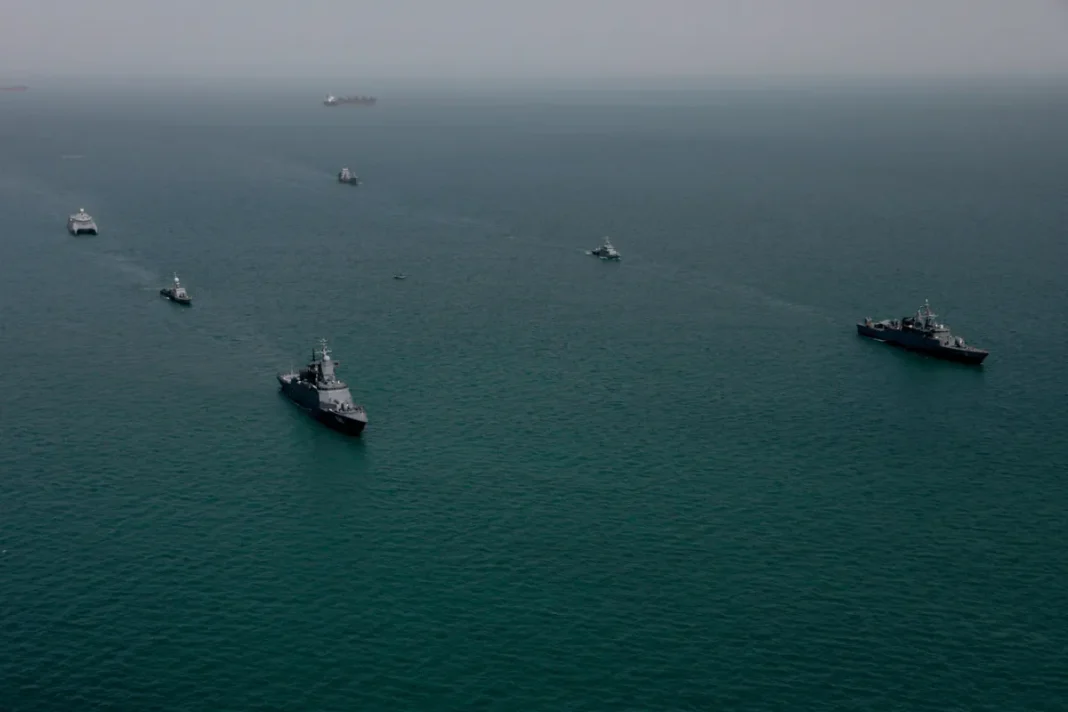
The United Kingdom and several key allies are hesitant to send warships to the Strait of Hormuz. They responded cautiously to Donald Trump’s request amid rising tensions with Iran.
Countries including France, Germany, Japan, and Australia have avoided committing naval forces for now. Trump urged allies to deploy ships to secure the crucial shipping route. He argued that international support would eliminate threats in the strait.
However, UK Prime Minister Keir Starmer stressed that Britain will avoid deep military involvement. He told reporters, “We will not be drawn into the wider war.”
Instead, Starmer highlighted the need for coordinated action to reopen the strait. He said the UK and its allies are crafting a “viable” plan to restore safe navigation quickly and ease economic impacts. Energy Secretary Ed Miliband said the UK is exploring technical solutions. These include unmanned systems to detect naval mines. He did not confirm any warship deployment.
Meanwhile, Emmanuel Macron called for rapid restoration of navigation. He clarified that France will maintain a strictly defensive role. Additionally, Macron said France is preparing an escort mission to protect commercial ships once conditions improve.
Germany has also raised concerns about military involvement. A spokesperson for Chancellor Friedrich Merz said NATO does not mandate such operations. Furthermore, Defence Minister Boris Pistorius questioned the usefulness of European ships in the strait. He said the US Navy could handle the mission more effectively.
In Asia, Takaichi Sanae said Japan is reviewing its options. She confirmed that Japan has not decided whether to dispatch destroyers.
By contrast, Australia will not send a vessel. Transport Minister Catherine King said Canberra has not been asked to contribute. The region’s tensions escalated after U.S. and Israeli forces killed Ali Khamenei.
In response, Iran threatened to close the Strait of Hormuz. Its military warned that vessels linked to the U.S. or its allies could face attacks.
As a result, countries worry about energy supplies and regional stability. They continue to weigh defensive measures, but no major deployments have started.
For more updates on this news, fol