
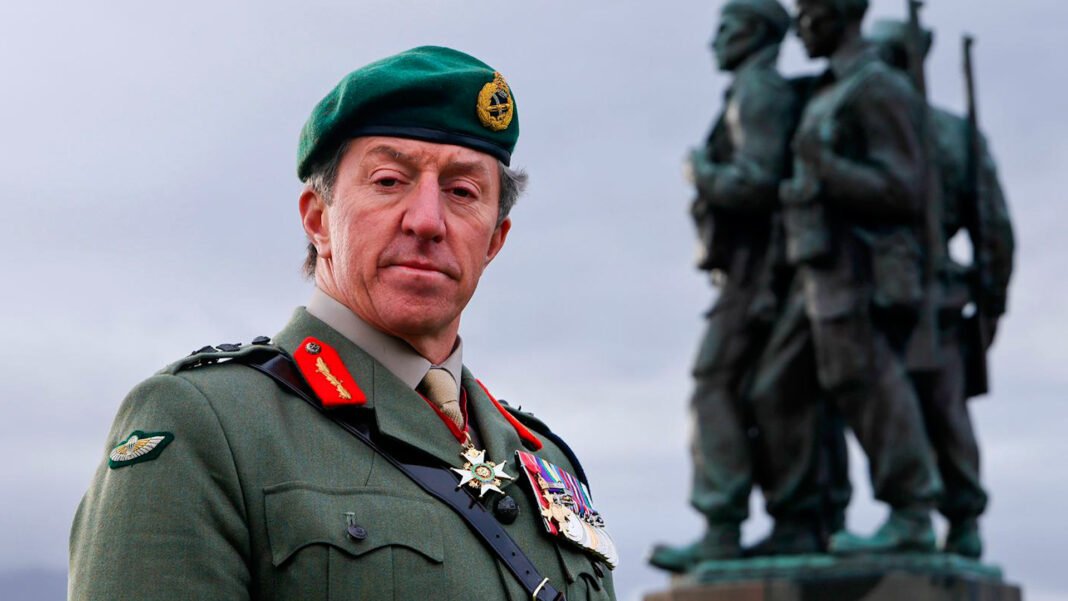
Royal Navy readiness has come under scrutiny after Britain’s top naval officer admitted the force needs improvement. The Royal Navy readiness debate has intensified amid growing international pressure. Meanwhile, the Royal Navy readiness issue has sparked political criticism at home.
Gwyn Jenkins, the UK’s most senior naval officer, acknowledged that the fleet is not fully prepared for war. He said the Navy still has “work to do” before reaching the required level of readiness.
However, he stressed that forces would act if conflict occurred. He added that the Navy would fight with available resources if ordered. Nevertheless, he admitted that current readiness falls short of expectations.
At the same time, criticism from the United States has increased. Donald Trump urged Britain to take greater responsibility for its energy security. He also criticised the UK’s limited role in the Middle East crisis.
Trump mocked Britain’s aircraft carriers, describing them as ineffective. Meanwhile, Pete Hegseth also criticised the Royal Navy. He questioned why Britain had not deployed ships to the region.
These remarks followed calls for the UK to help reopen the Strait of Hormuz. The shipping route remains critical for global oil supplies. Therefore, pressure has mounted on Britain to increase its military presence.
Domestically, political criticism has also grown. Keir Starmer has faced questions about defence spending and military preparedness. Critics argue the government lacks urgency in strengthening the armed forces.
Starmer defended his position by pointing to long-term investment plans. He confirmed that defence spending will reach 2.5 percent by 2027. In addition, he pledged to increase spending further in the next Parliament. Critics remain unconvinced. Bernard Jenkin warned that the approach reflects “enormous complacency.” Consequently, the debate over defence priorities continues.
Starmer responded by blaming previous governments for underinvestment in the armed forces. He argued that earlier decisions weakened Britain’s military capacity. Meanwhile, he emphasised that current policies aim to rebuild strength over time.
A Ministry of Defence spokesperson defended the armed forces. They said the Royal Navy remains capable of operating across global missions. In addition, they highlighted the UK’s nuclear deterrent and ongoing deployments worldwide. The admission from the First Sea Lord has intensified concern. Observers now question whether Britain can respond effectively to rising global threats.
The Royal Navy readiness debate reflects wider concerns about defence strategy and international expectations. Moreover, it highlights the growing pressure on the UK to strengthen its military capabilities.
For more updates on this news, follow London Pulse News.