
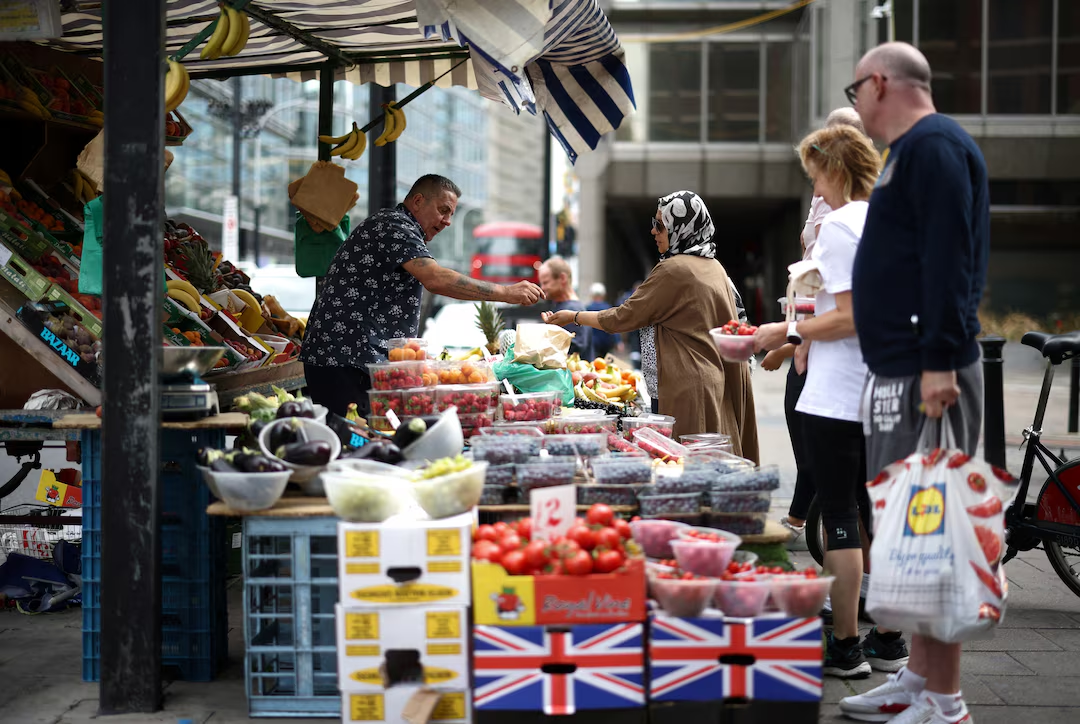
Food inflation is rising sharply in the UK as energy prices climb and supply chains face major disruptions. Analysts warn that families will feel the impact across grocery bills.
The Food and Drink Federation, representing thousands of manufacturers, predicts food inflation could reach nine percent by the end of 2026. Previously, forecasts had expected just three percent. The recent surge in energy costs and the ongoing conflict in the Middle East are driving these sharp increases.
Dr Liliana Danila, chief economist at the Food and Drink Federation, highlighted the challenges. She said rising energy, transport, and packaging costs are forcing manufacturers to raise prices. She added that disruptions in supply chains are worsening the situation and making costs difficult to manage.
The forecast assumes that the Strait of Hormuz, a critical shipping route, will reopen within a few weeks. Analysts also expect major energy and fertiliser facilities to return to normal operations within a year. However, any delays could further push food inflation higher.
Chancellor Rachel Reeves is meeting executives from the UK’s leading supermarket chains to discuss how rising costs may affect consumers. Tesco, Sainsbury’s, and Morrisons are all expected to take part in the talks. They will explore strategies to manage costs while ensuring product availability.
UK farmers warn that domestic supplies of vegetables such as tomatoes, cucumbers, peppers, and aubergines could fall without government support. Rising energy costs will hit businesses that set annual contracts from April, further affecting household bills. Energy bills will remain stable until July but are likely to increase after that.
The government faces pressure to support households struggling with high costs. Officials say any assistance will target the most vulnerable families. Reeves emphasized that income-based measures could help but warned against cutting fuel duty or VAT too aggressively. Such cuts could worsen inflation and interest rates.
Food inflation is expected to continue for months. Experts argue that combining cost management with supply chain recovery is essential. Families and businesses alike will feel the effects unless action occurs quickly.
Policymakers stress the importance of monitoring energy prices closely. They also recommend measures to protect the most vulnerable households. Without prompt action, food inflation may continue to rise, impacting living standards across the country.
Food inflation will remain a key concern as energy prices fluctuate and the Middle East conflict evolves. Government decisions in the coming months will determine how significantly households are affected. Analysts predict that immediate support and careful planning could mitigate the worst effects.
For more updates on this news, follow London Pulse News.