
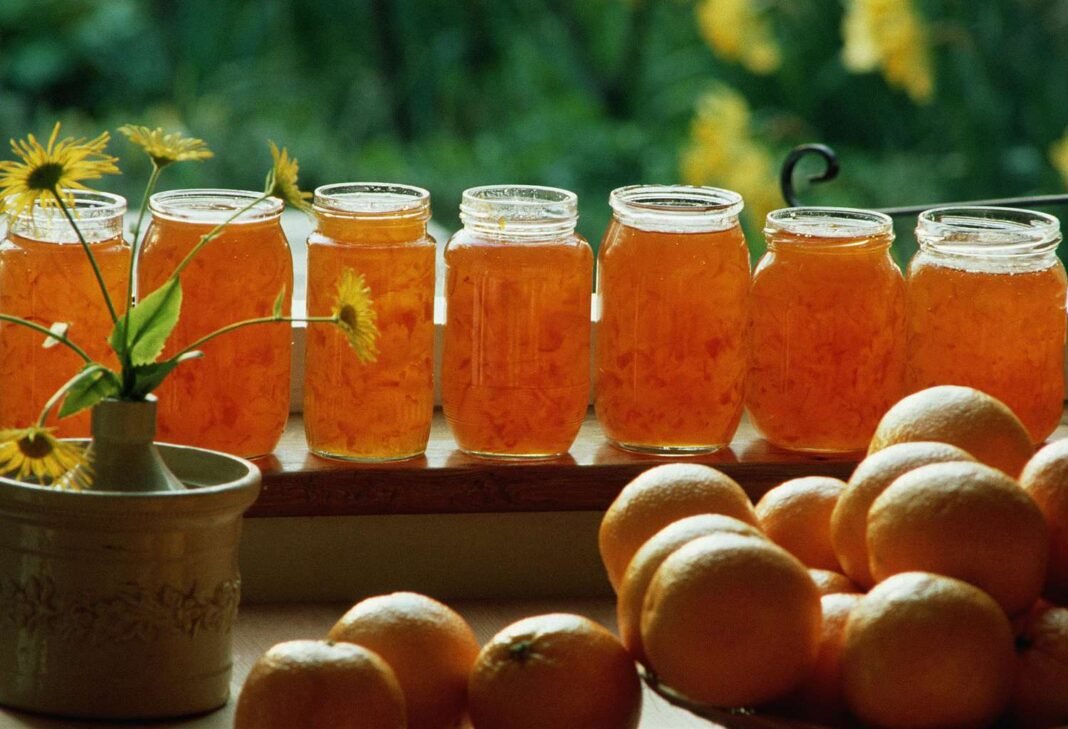
Marmalade name rules will not change in the UK, the government has confirmed. The marmalade name rules have sparked debate following reports about a possible relabelling requirement. Meanwhile, the marmalade name rules have raised concerns among consumers and politicians.
Recent claims suggested supermarkets would need to rename marmalade products as “citrus marmalade.” These reports linked the change to new food standards aligned with European regulations. However, government officials rejected those claims and clarified the situation.
According to officials, producers already label most jars as “orange marmalade” or “Seville orange marmalade.” Therefore, current packaging already meets the updated requirements. In addition, the rules allow producers to specify the type of fruit used.
The revised standards expand the definition of marmalade. As a result, manufacturers can sell other fruit preserves under the same category. However, they must clearly state the fruit used in each product.
Historically, British producers helped shape earlier rules in the 1970s. At that time, regulators granted orange marmalade special legal status. Consequently, other fruit preserves had to use the label “jam” instead.
Officials now say the updated framework simply broadens consumer choice. They argue the changes do not force companies to abandon traditional names. Instead, they maintain that the system supports clarity and consistency in product labelling.
A government source dismissed fears about widespread rebranding. The source described the controversy as unnecessary and exaggerated. Furthermore, officials stressed that existing labels will remain valid under the new rules.
Political figures have also responded to the debate. Priti Patel criticised the government and accused it of undermining British traditions. She argued that aligning with European standards risks changing familiar product names.
Ministers insist that no such change will occur. They emphasised that producers can continue using established labels without disruption. In addition, they pointed out that consumers will still recognise products on shelves.
The government also highlighted that the rules allow flexibility in naming. Producers can choose how they describe their products while meeting regulatory standards. Therefore, the changes are unlikely to affect shoppers directly.
The marmalade name rules will remain consistent for British consumers. While debates continue, officials maintain that the changes will not alter product identity. Moreover, they argue that the updated rules provide clarity without forcing unnecessary rebranding.
For more updates on this news, follow London Pulse News.