
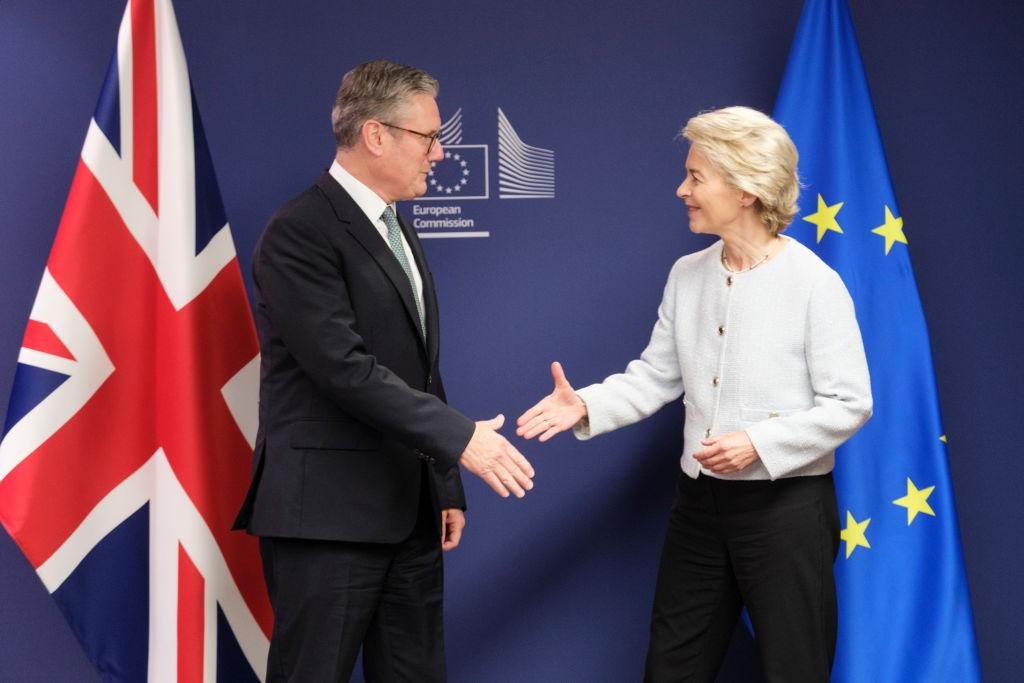
The EU alignment plan has triggered major political debate as ministers prepare new legislation. The proposal could reshape the UK’s relationship with the European Union. Consequently, the plan marks a significant shift in post-Brexit policy.
Ministers want to introduce a bill that allows faster adoption of EU rules. Moreover, the legislation would support agreements already negotiated with European partners. Therefore, the government argues the approach will improve trade efficiency. The EU alignment plan focuses first on food, drink, and emissions agreements. Officials say reducing regulatory barriers will cut costs for businesses. As a result, consumers could benefit from lower prices.
The bill also includes broader powers for future changes. Ministers could adopt new EU rules using secondary legislation. In addition, Parliament would only approve or reject these measures. Therefore, MPs would not amend individual rules in detail. Supporters say the system allows quicker responses to regulatory changes. They argue that trade deals require flexibility to remain effective. Consequently, the government believes the EU alignment plan will boost economic growth.
Critics, however, warn about reduced parliamentary scrutiny. Some argue that adopting rules without full votes limits democratic oversight. Moreover, they say the approach could increase alignment without formal EU membership. The proposal relies on so-called “Henry VIII powers” to implement changes. These powers allow ministers to introduce laws without full parliamentary debate. As a result, the issue has become politically sensitive.
The EU alignment plan could extend beyond initial sectors. Future agreements may cover industries such as automotive and agriculture. Therefore, the scope of alignment could expand over time. Meanwhile, ministers stress that the UK will not rejoin the single market. They also reject returning to freedom of movement or the customs union. Consequently, they argue the plan remains within existing political commitments.
Economic arguments play a central role in the debate. The government says closer alignment could reduce trade friction. In addition, officials highlight the EU as the UK’s largest trading partner. Therefore, they argue cooperation remains essential. Opposition parties have raised concerns about the proposal. Some demand full parliamentary scrutiny of all future agreements. Meanwhile, others see the bill as an opportunity to debate closer EU ties.
The EU alignment plan represents a major policy shift. It has sparked debate over trade, sovereignty, and parliamentary control. Consequently, the legislation is likely to face strong scrutiny in Parliament.
For more updates on this news, follow London Pulse News.