
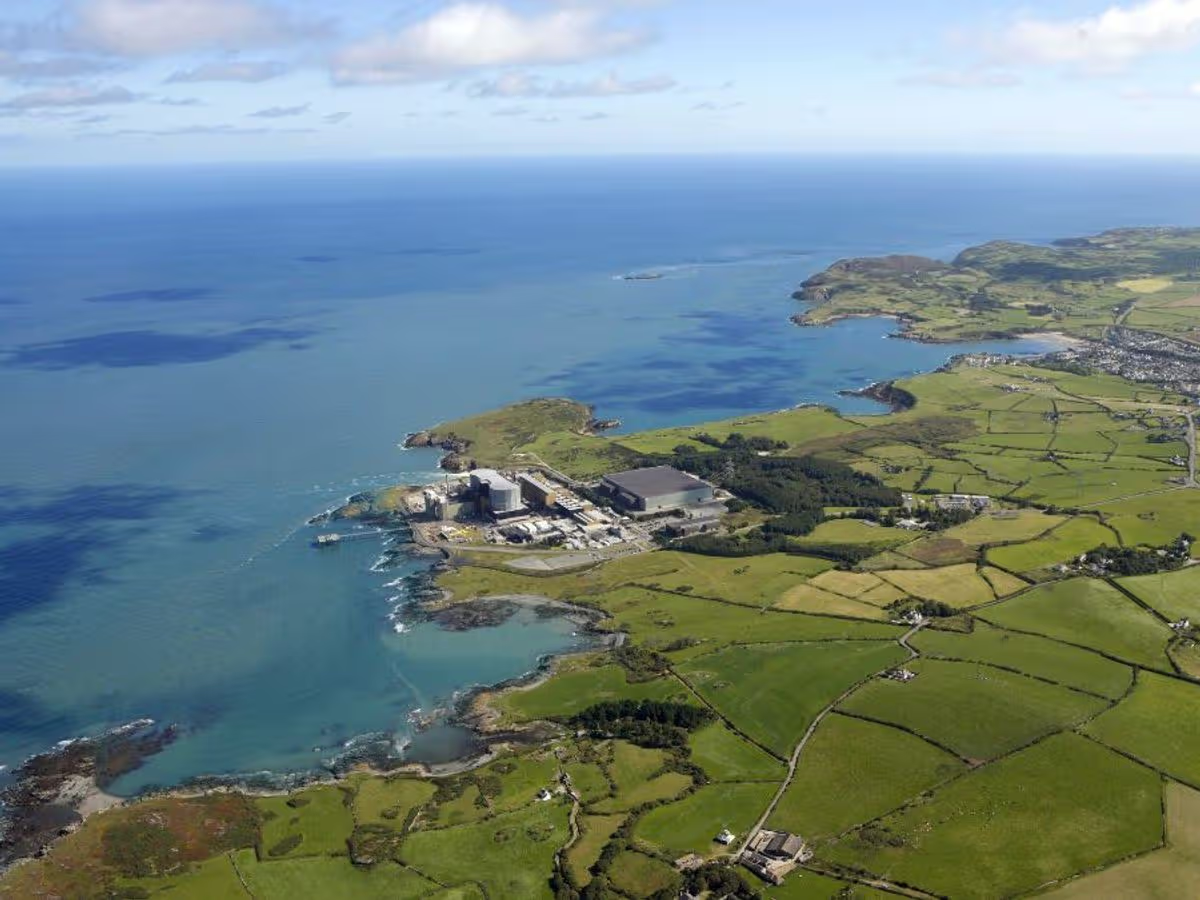
Work has begun on a major nuclear development at Wylfa in Anglesey. As a result, officials say the project delivers a significant nuclear jobs boost for the region and the wider UK economy. In addition, they expect it to create thousands of long-term roles across construction and energy sectors.
Meanwhile, the UK government confirmed that initial work has now started at the site. Furthermore, ministers selected Wylfa after agreeing a £2.5 billion partnership with Rolls-Royce. Consequently, they believe the project will turn the area into a major hub for advanced nuclear technology.
In terms of design, the scheme will use small modular reactors, known as SMRs. For example, engineers will manufacture key components in factories before assembling them on site. Therefore, supporters say this approach improves efficiency and reduces construction delays.
Moreover, companies involved predict major employment growth from the project. Specifically, they estimate around 3,000 jobs will support the local area during peak construction. In addition, they expect about 5,000 additional roles across the wider UK supply chain.
Similarly, this announcement strengthens the nuclear jobs boost already expected across the sector. According to industry leaders, SMRs could supply power to millions of homes for decades. At the same time, they argue the technology will help the UK meet its clean energy targets.
Notably, the Nuclear Industry Association welcomed the decision. In fact, its chief executive called it a turning point for nuclear development in Britain. He added that Wylfa offers strong infrastructure and a suitable coastal location for the project.
Rolls-Royce praised the agreement and the start of work. Its SMR division stated that the project shows growing confidence in UK nuclear engineering. As a result, the company believes it will place Britain at the forefront of next-generation reactor design.
Historically, Wylfa already has a long nuclear history. Originally, the power station opened in the 1960s and began generating electricity in 1971. However, it closed in 2015 after more than 40 years of operation.
Since then, the site has remained in a decommissioning phase. Now, however, officials say the new development marks a fresh industrial chapter. Consequently, local leaders expect new investment and improved infrastructure across the region.
On the political side, Energy Secretary Ed Miliband described the announcement as a major milestone. In particular, he said it supports energy independence and strengthens long-term energy security. Furthermore, he added that it will reduce reliance on fossil fuels.
More broadly, the nuclear jobs boost forms part of a wider national energy strategy. Accordingly, ministers aim to expand low-carbon electricity production across the UK. Ultimately, they believe small modular reactors will play a central role in future energy supply.
Final investment approval is still required before full construction begins. Nevertheless, authorities expect decisions within the next few years. If everything proceeds on schedule, electricity generation could begin in the 2030s.
For more updates on this news, follow London Pulse News.