
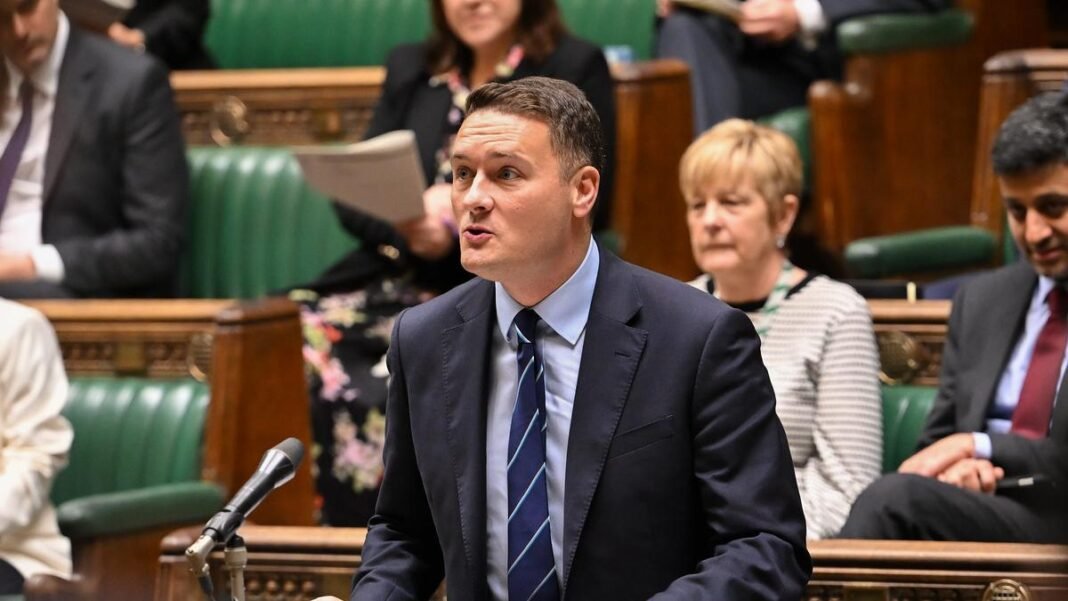
A growing row has erupted in Parliament. It concerns new powers given to the Health Secretary over NHS drug pricing. Dozens of MPs now warn about serious risks.
In particular, Wes Streeting faces strong criticism. Thirty-one MPs signed a motion against the changes. As a result, they argue ministers can now override drug value assessments. This could weaken long-standing safeguards.
At the centre of the dispute sits the National Institute for Health and Care Excellence. This body is known as National Institute for Health and Care Excellence. Since 1999, NICE has assessed drug value for the NHS. It decides which treatments offer good value for money. Meanwhile, MPs from several parties have backed a formal parliamentary “prayer”. These include Labour, the Liberal Democrats, the Greens, the SNP, and Plaid Cymru. Consequently, they want to block the policy change. They argue it removes independence from key decisions.
Labour MP John McDonnell led the motion. He warned the change could increase pharmaceutical influence. In addition, he said NICE was designed to protect the NHS from commercial pressure. Furthermore, concerns have grown about a wider UK–US drug pricing deal. Some MPs link the change to trade negotiations. Therefore, they fear it may benefit large pharmaceutical companies.
Similarly, Liberal Democrat health spokesperson Helen Morgan criticised the plan. She said external political pressure played a role. She also argued the UK should not weaken its standards. However, ministers strongly defend the policy. They say it improves access to new medicines. Moreover, they claim it strengthens trade ties and benefits patients.
In response, the Department of Health and Social Care rejected the criticism. It said NICE remains independent. It also confirmed decisions will stay free from political interference. At the same time, legal concerns have emerged. Former health secretary Andrew Lansley warned of possible legal conflict. He said the changes may clash with existing health law.
Likewise, experts have raised funding concerns. They warn higher drug costs could strain NHS budgets. As a result, other services may face cuts. Economist Eric Yang explained the pressure clearly. He said the NHS already faces tough trade-offs. Therefore, extra drug spending could reduce frontline care.
As the debate continues, MPs are calling for further scrutiny. In turn, they want clearer rules on how the powers will work. On the other hand, pharmaceutical groups support the reforms. They argue NICE will stay independent. They also say decisions will still rely on evidence. Both sides agree on one point. The future of NHS drug pricing now sits at the centre of a major political dispute.
For more updates on this news, follow London Pulse News.