
A Koh-i-Noor diamond debate resurfaced during a high-profile state visit involving King Charles III and New York City Mayor Zohran Mamdani. The mayor called on the British monarch to return the historic gemstone to India. Moreover, his remarks reignited long-standing international disputes over cultural heritage.
The Koh-i-Noor diamond remains one of the most controversial jewels in the British Crown Jewels collection. It currently sits in the Tower of London as part of royal regalia. In addition, it appears in the crown associated with Queen Elizabeth The Queen Mother.
During the visit, Mamdani spoke ahead of a memorial event in New York. He suggested that returning the Koh-i-Noor diamond would address historical grievances. However, he also emphasized that his main focus remained on commemorating victims of past tragedies.
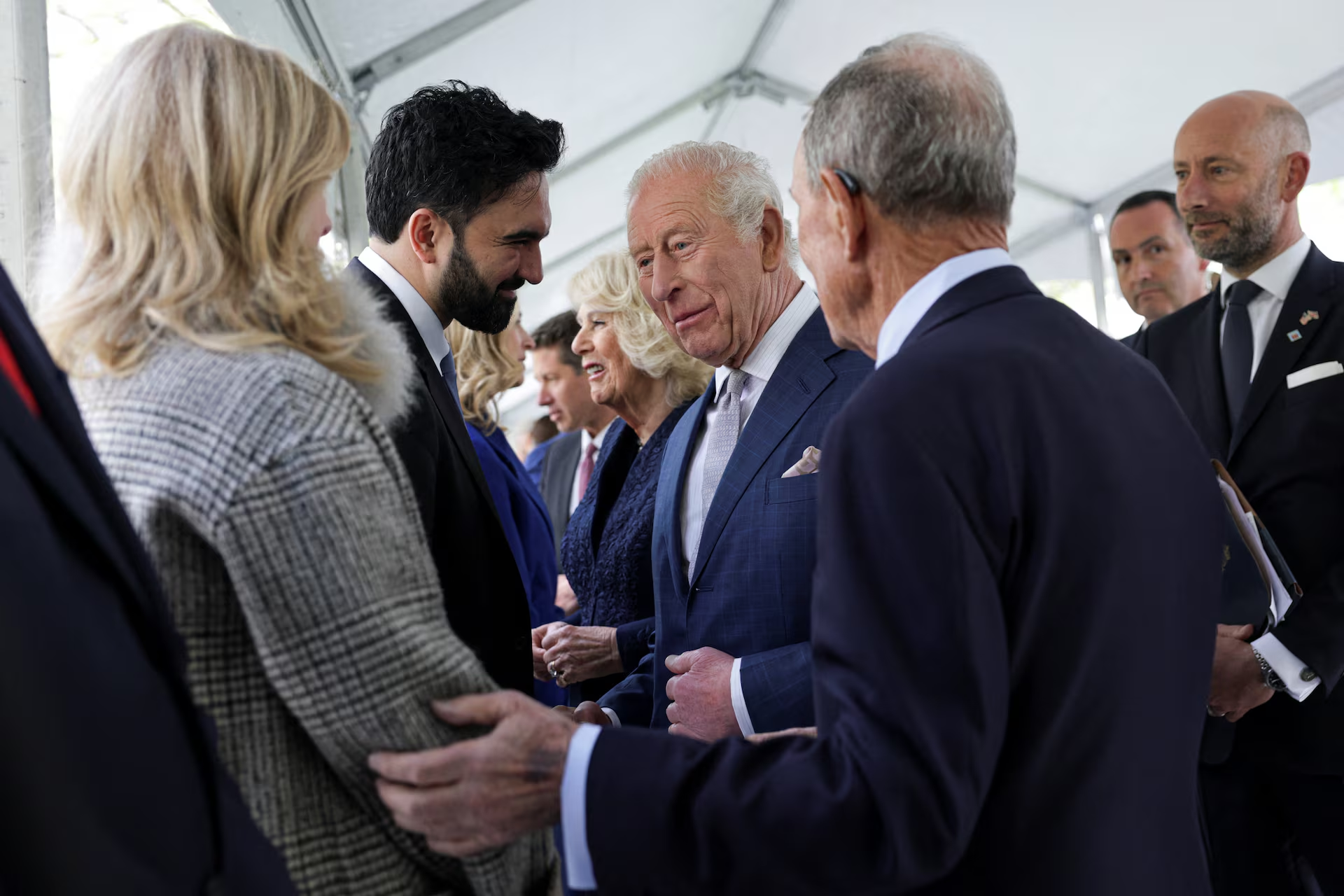
Subsequently, Mamdani met King Charles III and Queen Camilla at a public engagement. The meeting took place during a broader diplomatic visit involving international cooperation and remembrance events. Therefore, the diamond issue remained a side topic rather than the central agenda.
The Koh-i-Noor diamond carries a complex and contested history. Originally mined in the Indian subcontinent, it passed through several empires over centuries. Furthermore, it changed hands through conflict, treaties, and colonial expansion.
In 1849, the Sikh Empire transferred the diamond to the British Crown following a treaty. Since then, multiple nations have claimed ownership or expressed interest in its return. Consequently, the diamond continues to generate diplomatic discussion today.
Several countries, including India, Pakistan, Afghanistan, and Iran, have all made historical claims. Nevertheless, the United Kingdom continues to display the jewel as part of its royal collection. As a result, the dispute remains unresolved.
Mamdani’s comments added fresh attention to the issue during the state visit. Meanwhile, he framed his suggestion as a moral and cultural question rather than a political confrontation. Therefore, his remarks sparked debate without formal diplomatic escalation.
The British side did not immediately respond to the mayor’s suggestion. However, officials have consistently maintained that the Crown Jewels remain part of national heritage. In addition, they emphasize their historical continuity within the monarchy.
Political reactions followed quickly after the comments became public. For example, critics from the UK argued that the request disrespected royal tradition. Meanwhile, supporters of repatriation viewed the remarks as part of a broader global conversation.
The Koh-i-Noor diamond itself measures just over 105 carats and attracts significant public attention. Moreover, its placement within the Crown of Queen Elizabeth The Queen Mother makes it one of the most visible royal jewels. Therefore, its symbolic value extends beyond its physical size.
Although discussions about repatriation continue internationally, no formal agreement exists for its return. Instead, the debate remains rooted in history, diplomacy, and cultural identity. As a result, the issue continues to surface during major political and royal events.
Mamdani’s call highlights ongoing tensions surrounding colonial-era artifacts. However, the visit also demonstrated continued engagement between UK and US leadership on broader global issues.
For more updates on this news, follow London Pulse News.