
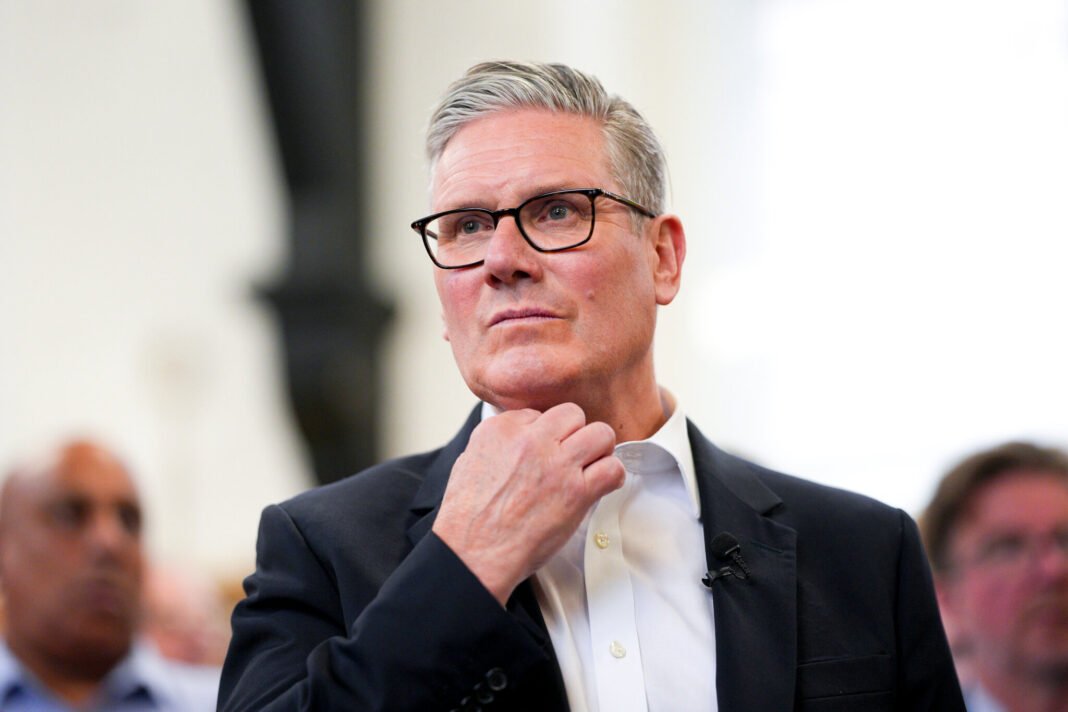
Starmer resignation calls intensified after Prime Minister Keir Starmer rejected demands to leave office. Starmer resignation calls also grew after multiple cabinet resignations deepened Labour’s crisis. Meanwhile, internal divisions continued widening.
The British prime minister insisted he would remain in office. He said his government must focus on governing despite political turmoil. However, pressure from Labour lawmakers increased sharply after recent election losses. Labour suffered major setbacks in local elections across England, Wales, and Scotland. Furthermore, the party lost control of key councils and legislative strongholds. As a result, many MPs blamed Starmer’s leadership.
Several ministers resigned from government on Tuesday. Their departures added fresh uncertainty to the Labour administration. In addition, more resignations could follow in the coming days. Among those leaving were Jess Phillips and Miatta Fahnbulleh. Both publicly criticised the government’s direction. Consequently, calls for change gained momentum.
Fahnbulleh said voters no longer believed Starmer could deliver reform. Her resignation letter reflected wider frustration among party members. Therefore, critics saw it as a major political setback. At least a fifth of Labour MPs have now urged Starmer to step aside. That level of dissent represents a serious threat to his leadership. Nevertheless, opposition remains divided over a replacement.
Under Labour rules, 81 MPs must support one challenger to trigger a formal contest. Although many MPs oppose Starmer, they have not united behind one candidate. Consequently, the challenge process remains incomplete. Possible successors include Angela Rayner, Wes Streeting, and Andy Burnham. However, none has launched a direct challenge. Meanwhile, speculation continues dominating British politics.
The local election results worsened Starmer’s position dramatically. Labour lost around 1,000 council seats across England. Additionally, the party lost its long-standing control in Wales. Nigel Farage emerged as one of the biggest winners. His Reform UK party gained hundreds of local seats. Therefore, many analysts now view Reform as a major national force.
Political observers described the elections as an unofficial referendum on the government. Voters appeared frustrated by economic stagnation and rising living costs. As a result, Labour’s popularity declined sharply. Starmer tried to recover by delivering a major speech on Monday. He promised stronger ties with Europe and state intervention in key industries. However, many Labour MPs dismissed the speech as ineffective.
Some lawmakers argued the speech lacked urgency and inspiration. Others said it failed to address public concerns directly. Consequently, dissatisfaction inside Labour continued growing. Criticism also intensified over the appointment of Peter Mandelson as ambassador to Washington. Opponents linked the issue to broader questions about judgement. In addition, the controversy damaged Starmer’s standing.
Despite the rebellion, some Labour MPs still support the prime minister. They argue replacing him would not solve deeper policy failures. Therefore, the party remains split over its next move. Former local leader Stephen Houghton said Labour’s problems extend beyond one leader. He blamed decades of neglect in struggling communities. Consequently, he called for major policy reform instead of a leadership change.
Starmer resignation calls now define one of the biggest political crises in modern Labour history. Although he remains defiant, party unrest shows no signs of easing.
For more updates on this news, follow London Pulse News.