
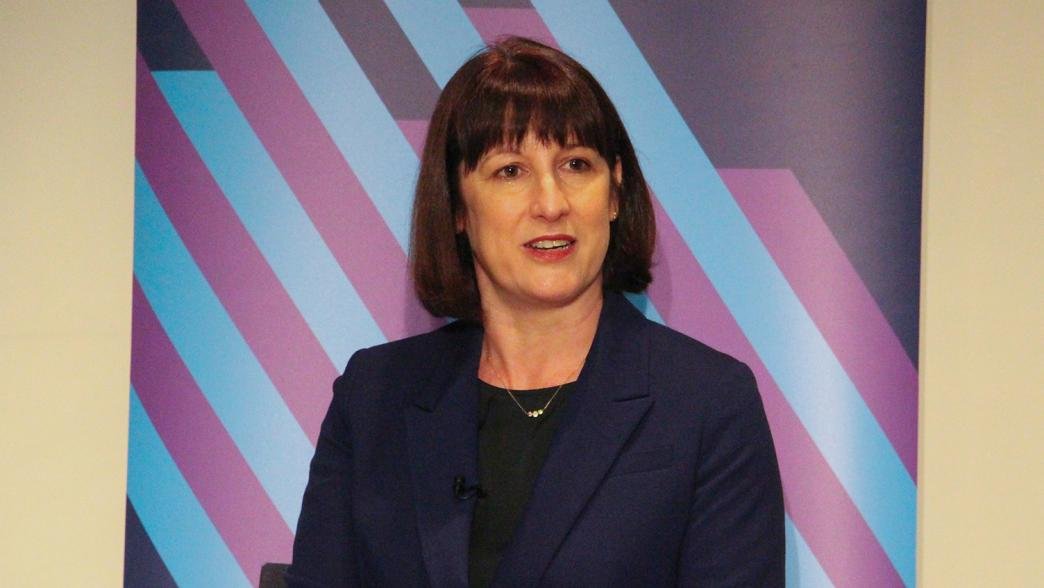
Chancellor Rachel Reeves has criticized the UK’s regulatory landscape for being overly bureaucratic, vowing to cut red tape to stimulate economic growth. Speaking at a meeting with industry regulators, Reeves emphasized the need to streamline processes, reduce duplication, and eliminate some regulatory bodies entirely. She argued that excessive bureaucracy has hindered progress and economic expansion, stating, “It’s too slow to get things done.”
The government’s plans include simplifying environmental regulations for major infrastructure projects, such as the Lower Thames Crossing and potential Heathrow expansion, and reviewing hundreds of pages of environmental guidance, including rules on bat protection. Additionally, environmental permits for low-risk and temporary projects will be scrapped. These measures are part of a broader effort to make it easier to do business in the UK, with 60 agreed-upon actions aimed at reducing regulatory burdens.
Key initiatives include:
- Fast-tracking new medicines through parallel authorizations by healthcare regulators.
- Reviewing the £100 cap on individual contactless payments.
- Simplifying mortgage lending rules to facilitate re-mortgaging.
- Establishing a ‘concierge service’ to assist international financial services firms with regulatory navigation.
- Expanding drone trials for deliveries, which have already reduced hospital blood sample travel times from 30 minutes to two minutes.
Reeves also announced the abolition of several regulatory bodies, including the Regulator for Community Interest Companies, which will be merged into Companies House. This follows the recent decision to dissolve NHS England and fold the Payments Systems Regulator into the Financial Conduct Authority. Reeves has pledged to significantly reduce the number of regulators by the end of the current Parliament.
The push for deregulation comes as the Organisation for Economic Co-operation and Development (OECD) downgraded its UK growth forecasts for 2025 and 2026, citing global trade tensions and economic uncertainty. The UK economy also contracted unexpectedly in January, driven by a decline in manufacturing.
While business leaders have welcomed the government’s efforts, some, like Mark Allan of Landsec, caution that meaningful change will take time, describing the initiative as a “three-year project” rather than a quick fix. Meanwhile, the Conservatives have criticized Labour’s tax policies and trade union regulations, calling on Reeves to present a “real plan for growth” in her upcoming emergency budget.
Reeves remains focused on her goal of boosting investment, creating jobs, and improving living standards by cutting bureaucratic inefficiencies and fostering a more business-friendly environment.
For more political updates, visit London Pulse News.