
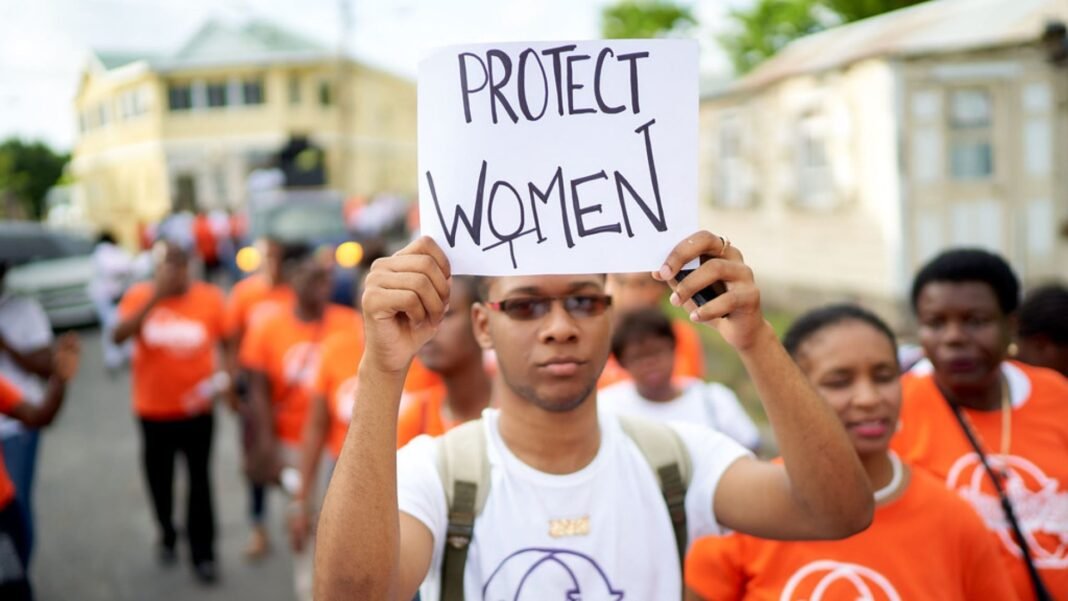
Global safety leadership shapes the growing conversation around the UK’s renewed efforts to prevent violence against women and girls worldwide. Although challenges differ between communities, experts stress that the underlying causes remain strikingly similar across regions. They note that unequal power, weak protections and harmful norms continue driving risks that many women still face daily. Therefore, advocates argue that any long-term solution must address these shared dynamics with consistent commitment.
Officials highlight that violence against women should not be viewed as separate domestic and international issues because both spaces reflect the same struggles. Moreover, the momentum for change frequently crosses borders, as activists share strategies, support each other and challenge silence. Consequently, policymakers insist that foreign policy must place gender equality at its centre rather than its margins. They argue that no country builds prosperity or stability while women must negotiate their safety before raising their voices.
The UK’s previous investments created an important evidence base showing that violence can decline through focused prevention. Over several years, researchers worked across multiple countries to evaluate programmes designed to change harmful behaviours and beliefs. They found that communities reduce violence when they challenge damaging norms and involve men and boys as active partners. They also noted that improvements accelerate when local groups lead interventions shaped around lived experience. Advocates describe these findings as proof that long-term prevention can deliver meaningful progress when implemented properly.
Furthermore, studies indicate that strong independent women’s movements remain the most reliable force behind serious legislative change. These movements, often under-resourced yet determined, consistently push governments to strengthen protections and enforce accountability. Their work transforms social expectations, amplifies survivors’ voices and demands firm political action. Analysts add that these organisations often achieve impact despite significant cultural or political obstacles.
As budgets tighten, experts encourage the UK to direct funding toward root causes rather than short-term responses. They recommend flexible, long-term support that empowers community organisations to guide strategy based on local realities. They also emphasise that civil society involvement improves prevention outcomes and protects hard-won advances threatened by global uncertainty. This approach, they argue, aligns closely with global safety leadership and strengthens the UK’s international credibility.
Moving forward, officials state that preventing violence must become a foundation of modern foreign policy. They believe the UK can expand its influence by partnering with countries seeking practical solutions and stronger protections. Ultimately, they maintain that global security cannot exist without women’s safety, and they call on leaders to remain committed. They conclude that sustained effort, informed by global safety leadership, will create a future where every woman can live without fear.
For more updates, stay tuned to London Pulse News.