
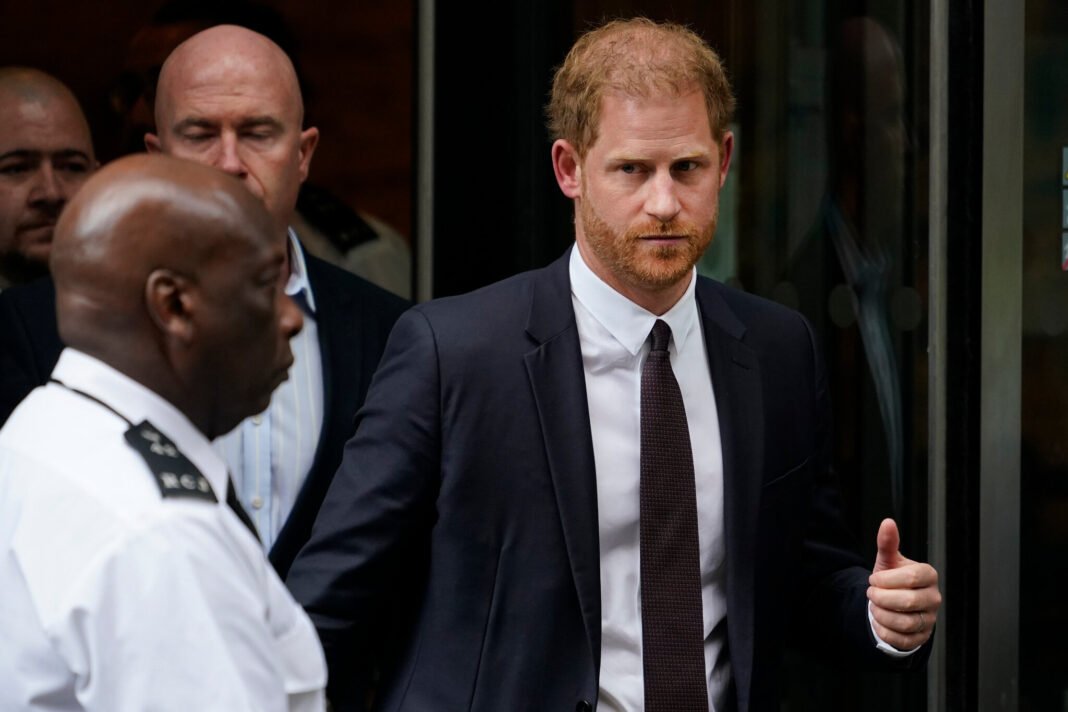
Harry Trial Emails now dominate legal headlines as dramatic testimony unfolds inside London’s High Court. Moreover, the case involves Prince Harry and several other public figures. Therefore, attention continues to grow around how journalists gathered private information.
Daniel Portley Hanks traveled from the United States to give evidence. He worked for decades as a private investigator. Additionally, he provided information to several British newspapers.
He told the court that he once believed his work followed legal rules. However, he later learned that British law differed from American standards. Consequently, he admitted some actions may have crossed legal boundaries.
Harry Trial Emails describe exchanges between Portley Hanks and journalists. In those messages, reporters requested contact details for public figures. However, the investigator also shared extra data.
Some of that information included sensitive records. Therefore, lawyers questioned why he sent details that reporters never requested. Portley Hanks replied that he felt too lazy to remove them.
Moreover, he explained that his systems provided broad reports. As a result, journalists received more than just phone numbers or addresses. He said he assumed the information helped with interviews.
Portley Hanks said he once believed many searches remained legal. However, British data laws changed after press scandals. Therefore, media clients demanded more legal assurances.
Harry Trial Emails also include messages sent to senior editors. In those emails, Portley Hanks claimed his databases remained public. He insisted they served news organizations.
During questioning, lawyers challenged those claims. They argued that some databases required restricted access. Consequently, the detective admitted he misunderstood several legal limits.
The investigator also described how newspapers later stopped hiring him. As a result, he lost his income. Therefore, he said financial hardship followed.
Harry Trial Emails also connect to another controversial figure. That person involved former journalist Graham Johnson. Johnson later visited Portley Hanks in prison.
Johnson offered money for a book about his life. Moreover, he promised publication through his company. However, Portley Hanks said he never received payment.
That book failed to sell. Therefore, frustration followed. However, Johnson later joined a research team for Prince Harry’s legal case.
This connection raised further questions. Consequently, lawyers examined motives and credibility. The court continues to weigh that evidence.
Harry Trial Emails also reveal deeper concerns. The case focuses on how the press accessed private data. Therefore, privacy rights remain at the center.
Portley Hanks admitted he did not always separate legal from illegal searches. However, he insisted that journalists knew the risks. Therefore, responsibility may extend beyond one person.
Lawyers for Prince Harry argue the evidence shows wrongdoing. Moreover, they say executives approved unlawful methods. As a result, they seek accountability.
Meanwhile, Associated Newspapers deny the accusations. They claim journalists never asked for illegal material. Therefore, the legal battle continues.
Harry Trial Emails continue to shape the trial. Each testimony adds new detail. Moreover, public interest remains high.
The High Court will review thousands of documents. Therefore, the case could last many weeks. Observers expect major rulings later this year.
Prince Harry and other claimants want justice. They also want changes in media behavior. Consequently, this case carries long term significance.
Harry Trial Emails now stand as key evidence. They show how information traveled between investigators and reporters. Moreover, they highlight the risks of unchecked data access.
The trial will continue with more witnesses. Therefore, more revelations could soon emerge. The legal world now watches closely.
For more updates on this news, follow London Pulse News.