
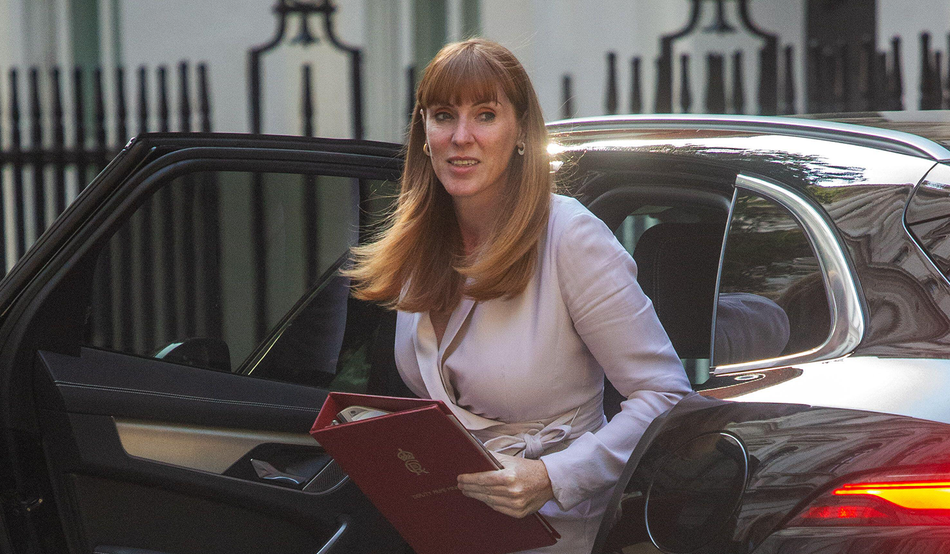
The Labour deputy leadership contest officially begins now. This follows Angela Rayner’s recent resignation. She left her role as party deputy leader. Consequently, the party must elect a new number two. This internal election will highlight the party’s political winds. Moreover, it will test the unity of the governing Labour party.
Therefore, nominations for the position opened immediately. The timetable is incredibly tight. Candidates must secure backing from 80 MPs this week. Additionally, they need support from local parties or affiliated groups. The party will announce a winner on October 25th. Therefore, the process will be very swift.
Moreover, many in government want a quick and quiet contest. They fear a public and divisive battle. Party general secretary Hollie Ridley urged unity. She reminded MPs of their primary duty to serve the country. Essentially, the leadership wants to avoid messy infighting.
However, not everyone agrees with this rapid approach. Left-wing MP Richard Burgon criticized the process. He called it “the mother of all stitch ups.” He insists party members deserve a left-wing candidate on the ballot. This highlights clear factional tensions within Labour.
Furthermore, this Labour deputy leadership contest coincides with the recent reshuffle. Many commentators saw the reshuffle as a shift rightward. Even the Conservative-leaning Telegraph newspaper welcomed this shift. This perceived move makes some left-leaning members nervous. They feel marginalized within the current government.
Therefore, these members may use this election to express their concerns. They will likely support a candidate who represents their views. However, a Labour veteran explained the reshuffle’s impact. It eliminated the soft Left from influential positions. Therefore, this election becomes a crucial pressure valve.
The Prime Minister probably hopes for a constructive critic. This person could channel member discontent quietly. Furthermore, they would ideally avoid loud disloyalty. But finding such a candidate may prove difficult. Winning the contest with a moderate platform is also challenging.
Health Secretary Wes Streeting suggested a different possibility. The new deputy might not automatically get a government job. This breaks from recent tradition. Angela Rayner and Harriet Harman both held ministerial roles. This change could diminish the position’s power.
The Labour deputy leadership contest is more than an internal vote. It is a crucial test for the Prime Minister. It will measure the party’s appetite for his leadership style. Furthermore, the campaign’s volume will be very telling. A loud and bitter contest would signal deep party divisions.
Ultimately, the outcome will reveal the party’s current soul. Will members endorse the government’s current direction? Or will they choose a critic who demands change? The answer will shape Labour’s political future for years. All eyes are now on this critical party election.
For more political updates, visit London Pulse News.