
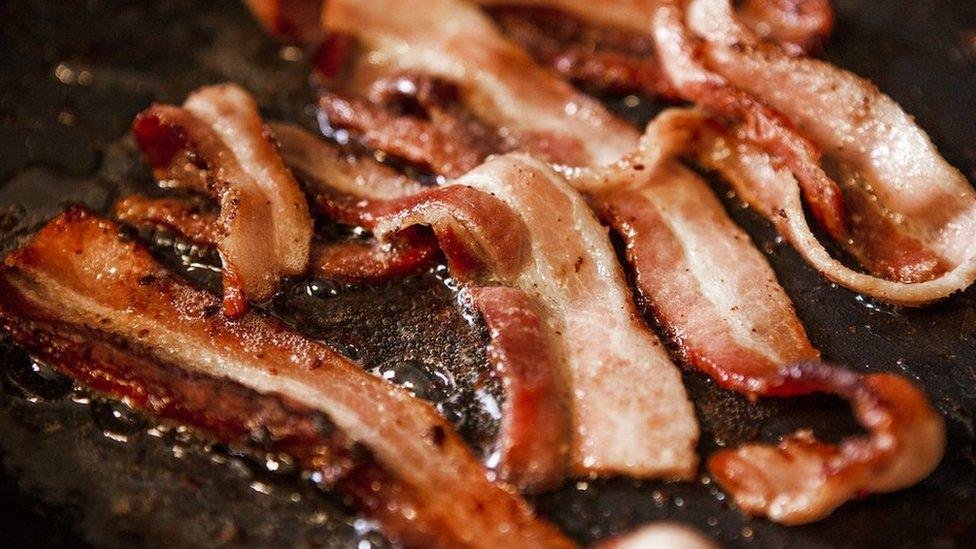
Nitrites in processed meats remain a significant health concern nearly ten years after the World Health Organization (WHO) issued warnings about their dangers. Despite these concerns, many popular supermarket products, including various hams and bacons, still contain these chemicals. A recent analysis revealed that nitrites in processed meats continue to be present in substantial amounts, especially in Wiltshire ham.
The investigation tested 21 meat products from major retailers. All products contained nitrites, which are commonly used to preserve and cure meat. Tesco’s Wiltshire ham had the highest concentration, with nearly 33 milligrams per kilogram. This amount was 11 times higher than Tesco’s cooked ham and almost four times greater than its unsmoked bacon. Similarly, other Wiltshire hams from M&S, Sainsbury’s, and Morrisons showed relatively high levels of nitrites. Only Asda’s Wiltshire ham contained notably fewer nitrites at 8 mg/kg.
Food safety advocates have expressed alarm at these findings. They urge for a ban on nitrites in processed meats due to the chemicals’ link to cancer. Experts warn that consuming processed meats increases the risk of bowel cancer. Research estimates that about 13% of bowel cancer cases in the UK each year relate directly to processed meat consumption.
The study was commissioned by a coalition against nitrites. Laboratory tests confirmed all samples had nitrites below the legal limit of 150 mg/kg. However, campaigners argue that the current legal limits still allow unsafe levels in everyday food. The group criticized the continued use of nitrites in processed meats despite the WHO’s classification of these products as carcinogenic nearly a decade ago.
Wiltshire ham contains more nitrites because its curing process involves soaking the meat in a brine bath infused with nitrites. This method gives the ham its distinct red color and protects it from bacteria. A chemical reaction during curing converts nitrates into nitrites, increasing their concentration.
Prominent food safety experts recommend reducing nitrite levels or finding safer alternatives. Some producers, such as Waitrose, have already introduced bacon free from nitrites. Meanwhile, health professionals advise consumers to limit their intake of processed meats as much as possible to reduce cancer risk.
Tesco stated that it complies fully with UK and EU regulations regarding nitrite use. The company emphasized the role of nitrites in preventing foodborne illnesses. Industry representatives echoed this stance, highlighting strict safety measures and adherence to food laws.
In conclusion, the ongoing presence of nitrites in processed meats highlights a persistent public health challenge. Consumers should remain cautious and consider reducing processed meat consumption to lower their cancer risk
For more updates, follow London Pulse News.