
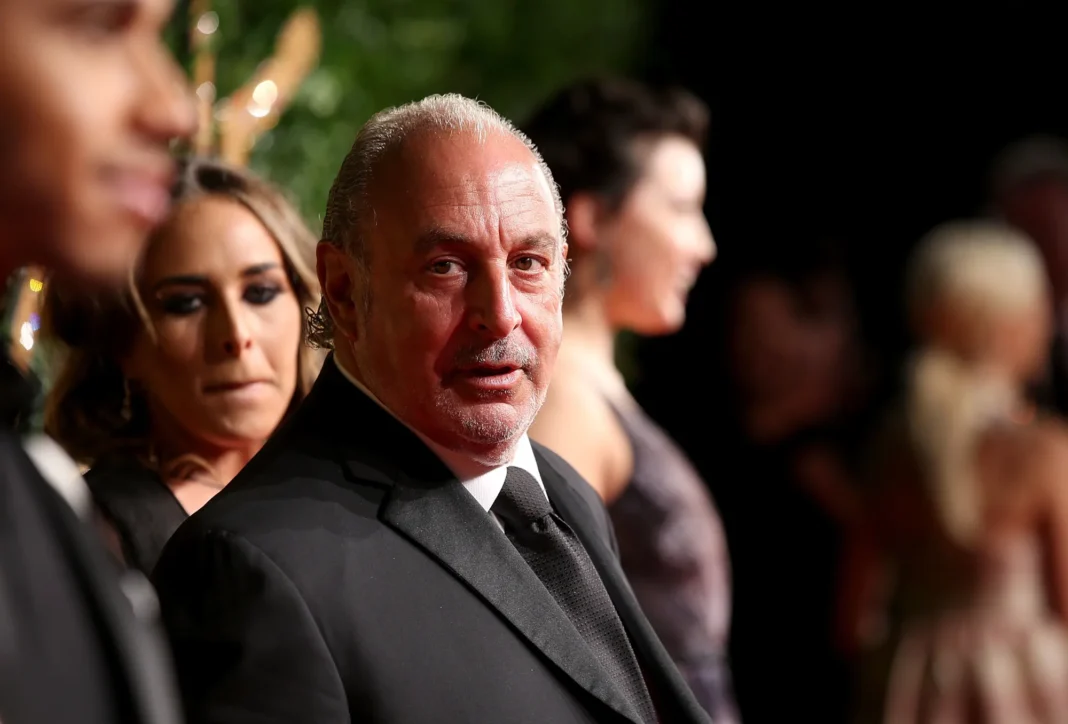
Businessman Sir Philip Green has lost his case at the European Court of Human Rights (ECHR), which ruled that his human rights were not violated when he was named in Parliament in connection with misconduct allegations.
The former Topshop owner brought the case after Labour peer Lord Hain used parliamentary privilege in 2018 to identify him as the individual behind an injunction that blocked The Telegraph from publishing allegations of sexual harassment, racial abuse, and bullying by five former employees.
While the employees had signed non-disclosure agreements (NDAs), the story eventually came to light when Lord Hain named Sir Philip in the House of Lords a move shielded by absolute parliamentary privilege, which grants MPs and peers legal immunity for statements made in Parliament.
Sir Philip, who has always denied any unlawful behaviour, argued that being named undermined his legal efforts and violated his right to privacy and a fair trial. His lawyers claimed that Lord Hain’s statement rendered any court order meaningless and challenged the lack of legal limits on parliamentary privilege.
On Tuesday, the Strasbourg court ruled against him. The panel of eight judges found that his rights under Article 8 (right to privacy) were not breached. Most of the judges also ruled that his claims under Article 6 (right to a fair trial) and Article 13 (right to an effective remedy) were inadmissible.
The court said that national parliaments are best placed to decide on the limits of parliamentary conduct and emphasized that only strong reasons would justify overriding decisions made by elected lawmakers.
Reacting to the ruling, Lord Hain expressed satisfaction, stating: “I’m really pleased that the Strasbourg Court defended parliamentary privilege and my right to have named Sir Philip.” He also criticized Green for using “specious legal twists” and urged him to “start behaving respectfully.”
Downing Street also weighed in, defending parliamentary privilege as a core element of the UK’s constitutional framework. A spokesperson for the prime minister said: “Parliamentary privilege is a fundamental and established principle of our constitutional arrangements. It is right that it protects the freedom of speech in Parliament, and more generally, the right of each House to regulate its own affairs.”
For more political updates, visit London Pulse News.