
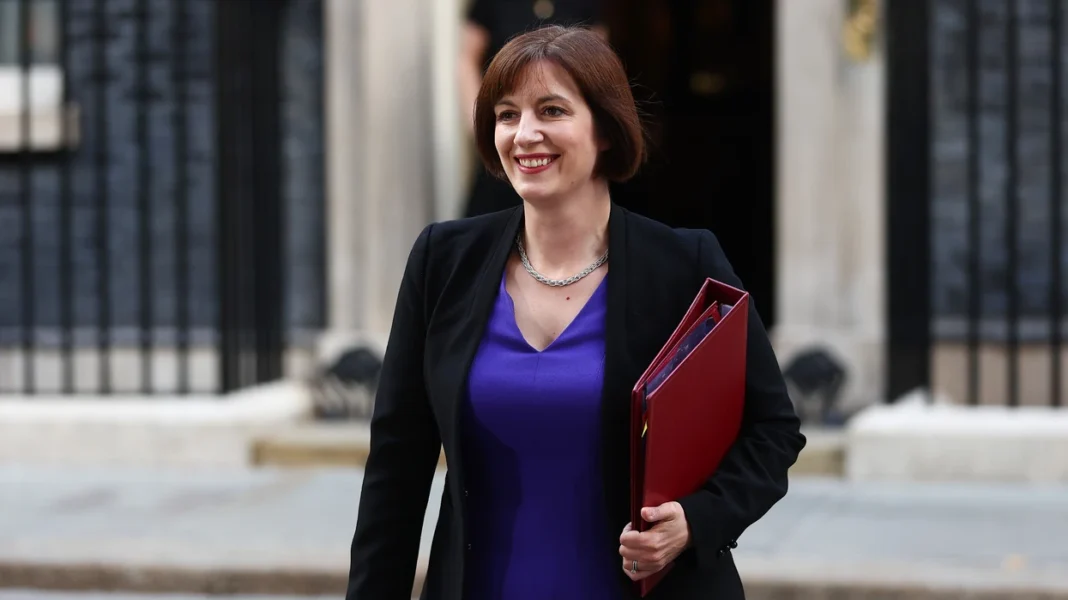
Education Secretary Bridget Phillipson is now the clear frontrunner. She leads the Labour deputy leadership race. Phillipson has gained massive support from her colleagues. She successfully secured 116 nominations from fellow Labour MPs. This number easily surpasses the required threshold of 80. Consequently, she becomes the first candidate to officially qualify for the next stage. The Labour deputy leadership race is now firmly underway.
Meanwhile, her closest rival trails significantly. Former Commons leader Lucy Powell has gathered 77 nominations. Therefore, she is just three short of the necessary amount in her Labour deputy leadership quest. However, Powell still has time to gain more support. The deadline for nominations is this Thursday. Three other candidates remain far behind in this contest. Bell Ribeiro-Addy has 15 nominations. Paula Barker follows closely with 14. Dame Emily Thornberry trails the group with only 13.
Furthermore, the field shrank earlier. Housing Minister Alison McGovern exited the contest. She conceded that her campaign lacked sufficient momentum. McGovern then publicly endorsed Phillipson. This endorsement further strengthens Phillipson’s position in the Labour deputy leadership campaign. Many Labour MPs have not yet declared their preference. So, other campaigns could still gain traction. A virtual hustings event occurred on Wednesday evening. All candidates had a chance to make their case directly to colleagues.
Moreover, the contest rules shape the strategies. Cabinet members cannot nominate any candidate. This rule applies to all 24 MPs in Sir Keir Starmer’s top team. However, junior ministers are free to offer their support, which is significant for the Labour deputy leadership contest. Some party figures speculate many MPs may stay neutral. This would shrink the overall electorate. Phillipson seems likely to accumulate a very large number. This would squeeze the remaining votes for her rivals.
Additionally, the candidates represent different party factions. Phillipson is the only cabinet member running. She is expected to be strongly supportive of the government and within the Labour deputy leadership context, this stance likely helped her secure many MP nominations. However, it might be a disadvantage later. Party members ultimately vote if multiple candidates proceed. They might prefer a candidate who challenges the leadership more.
Dame Emily Thornberry has already signaled this approach during the Labour deputy leadership race. She promises to be a voice for the membership. She also criticized the idea that the winner must be from northern England. Many senior figures want a northern woman to balance the London-centric leadership. Sir Keir and Deputy PM David Lammy both represent London seats. Thornberry, a London MP, argues the role is about capability, not geography.
The tight contest timetable has also sparked criticism. Bell Ribeiro-Addy suggested it disadvantages left-wing candidates. She acknowledged her own unlikely victory in the Labour deputy leadership race. However, she wants to debate the government’s direction. She cited issues like Gaza and benefit cuts. Paula Barker also called for a return to “true Labour values”. The next hurdle requires candidate support from local parties or affiliates. The winner will be announced on October 25th. The intense Labour deputy leadership race continues to develop.
For more political updates, visit London Pulse News.