
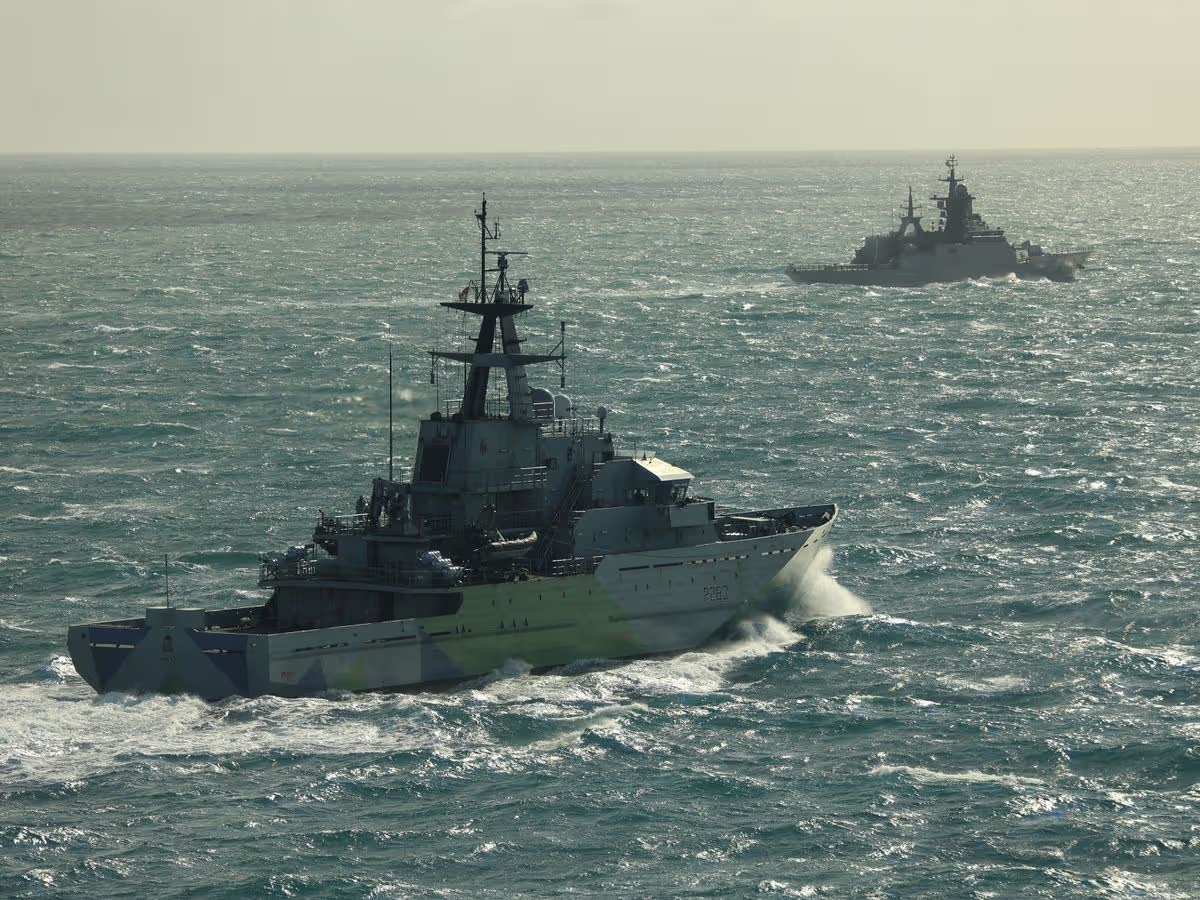
Maritime sanctions breach concerns have intensified after nearly 100 Russian-linked ships passed through British waters. Authorities continue to monitor the situation closely as tensions rise over maritime security. Moreover, maritime sanctions breach incidents have triggered fresh debate about enforcement strength.
Officials report that vessels associated with Russia sailed through UK waters shortly after warnings from Keir Starmer. The government announced plans to allow military boarding of sanctioned ships. However, recent data shows continued maritime traffic without confirmed interceptions.
Tracking information indicates that at least 98 vessels linked to sanctions crossed British waters within a month. Many of these ships belong to what analysts call a shadow fleet. These vessels often conceal ownership and transport restricted goods such as oil and grain.
The data shows 63 ships passed through the English Channel. This route connects the Baltic Sea with southern Europe and remains one of the busiest maritime corridors. In addition, 35 vessels traveled through the UK Exclusive Economic Zone near northern Scotland.
Security experts raised concerns about the lack of enforcement action. Elisabeth Braw from the Atlantic Council said authorities must follow up with rapid inspections. She argued that delays encourage further violations and reduce deterrence.
Several European countries have already taken stronger action. France, Belgium, and Sweden have boarded and detained similar vessels in recent months. By contrast, UK authorities have not confirmed any boardings or detentions so far.
Officials identified that at least ten ships used spoofing techniques. These vessels manipulated or disabled tracking systems while crossing monitored waters. As a result, authorities faced additional challenges in tracking movements accurately.
The Kremlin rejected the sanctions and described them as illegal. Russian officials also warned that the measures could lead to retaliation. This response further increased diplomatic tensions between Moscow and London.
Meanwhile, defense analysts continue to question maritime readiness. Critics argue that the UK navy faces capacity constraints during rising global tensions. They call for stronger patrols and faster enforcement mechanisms.
Military experts also warned that the situation reflects broader strategic risks. Lord Dannatt compared current defense levels with pre-war historical periods. He emphasized that early investment could prevent larger conflicts.
Former Prime Minister Sir John Major also highlighted growing security concerns. He stressed that European nations must strengthen defense capabilities. Furthermore, he warned that failure to act could create long-term consequences.
As maritime sanctions breach cases continue, policymakers face pressure to respond. Governments across Europe coordinate efforts to track and deter sanctioned vessels. Therefore, enforcement strategies may soon undergo significant changes.
The situation remains under close review as officials assess future risks. Maritime agencies continue monitoring vessel movements across key shipping routes. In the meantime, concerns over enforcement and compliance continue to grow.
For more updates on this news, follow London Pulse News.