
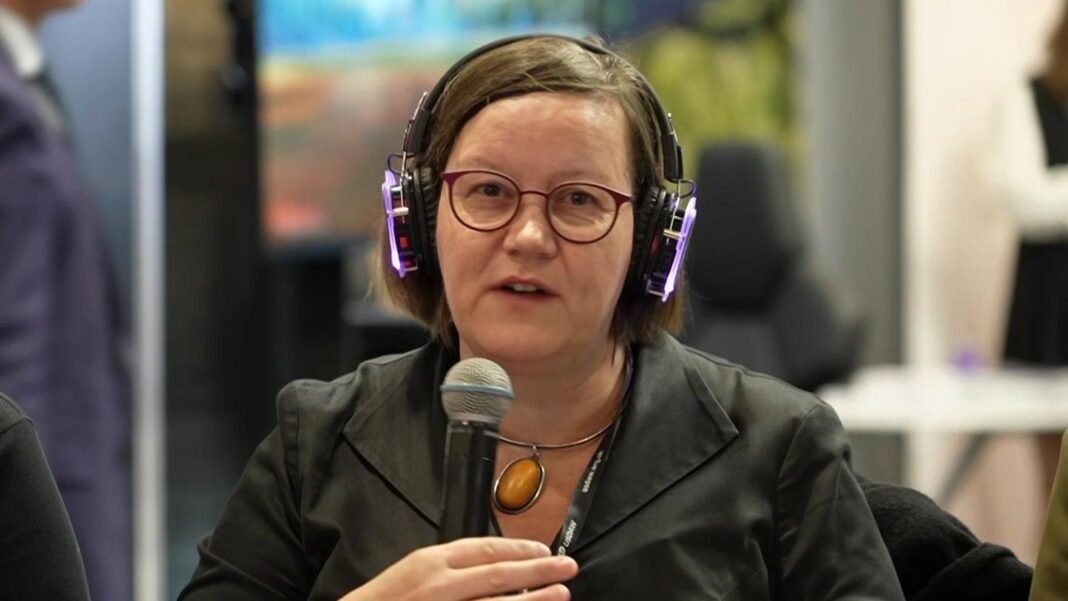
Chancellor Rachel Reeves faces increasing pressure. Senior Labour MP Dame Meg Hillier insists she must scrap the two-child benefit cap. Hillier argues this move represents a crucial long-term economic investment. She leads the influential Treasury select committee. Therefore, her opinion carries significant weight.
Moreover, she states ending the limit is morally right. Furthermore, she emphasizes it makes solid financial sense. Britain currently has falling birth rates. Additionally, fewer young European workers are arriving. Consequently, Hillier says the government must “invest in our young people.” This investment will boost future growth. It will also pay the national pensions bill.
Ministers recently hinted at lifting the cap. They could act in November’s Budget. The government feels growing pressure from its own MPs. The controversial policy prevents families from claiming benefits. It affects any third or subsequent child born after April 2017.
This pressure follows other government U-turns. Ministers reversed cuts to the winter fuel allowance. They also changed some universal credit plans. These changes resulted from a backbench rebellion.
However, Chancellor Reeves remains cautious. She insists she wants to reduce child poverty. But she also states, “We’ve got to make sure the numbers add up.” The Resolution Foundation think tank estimates axing the policy costs £3.5bn annually. Interestingly, this think tank formerly employed Torsten Bell. Bell now serves as Reeves’ top Treasury adviser. The organization has also argued for scrapping the cap.
Dame Meg Hillier spoke at a Labour conference fringe meeting. She declared lifting the cap would have an immediate impact. Specifically, 350,000 children would immediately escape poverty. Crucially, 700,000 would escape deep poverty instantly. She called it the single quickest measure to deliver necessary results.
Hillier previously chaired the Public Accounts Committee. For nearly a decade she scrutinized government spending. She directly linked child poverty to poor school achievement. UK child poverty is now at an all-time high. She advocates for “slow politics.” This means investing now for future gains. Investing in youth is a definitive long-term economic investment. This supports them and the country for their entire lives.
Economist Tim Leunig also spoke passionately. He previously advised Conservative chancellors. Also, he challenged the government’s purpose. He stated Tory governments historically increase child poverty. However, everyone expects better from a Labour Party. He argued abolishing child poverty is an investment. Poor children generally perform worse in school. Richer children typically perform better.
Leunig issued a stark warning. If child poverty rates do not fall by the next election, then having a Labour Party is pointless. He also criticized the delayed child poverty strategy report. The report was due for publication in spring. Leunig is a task force member. He confirmed their work is “done and dusted.” He strongly suggested someone has suppressed it. The government promises to publish the strategy before November’s budget.
Meanwhile, Reform UK pledges to scrap the two-child cap. Conversely, the Conservatives call its removal economically incredible. The debate highlights a clear choice. Scrapping the policy is a necessary long-term economic investment for the nation’s future.
For more political updates, visit London Pulse News.