
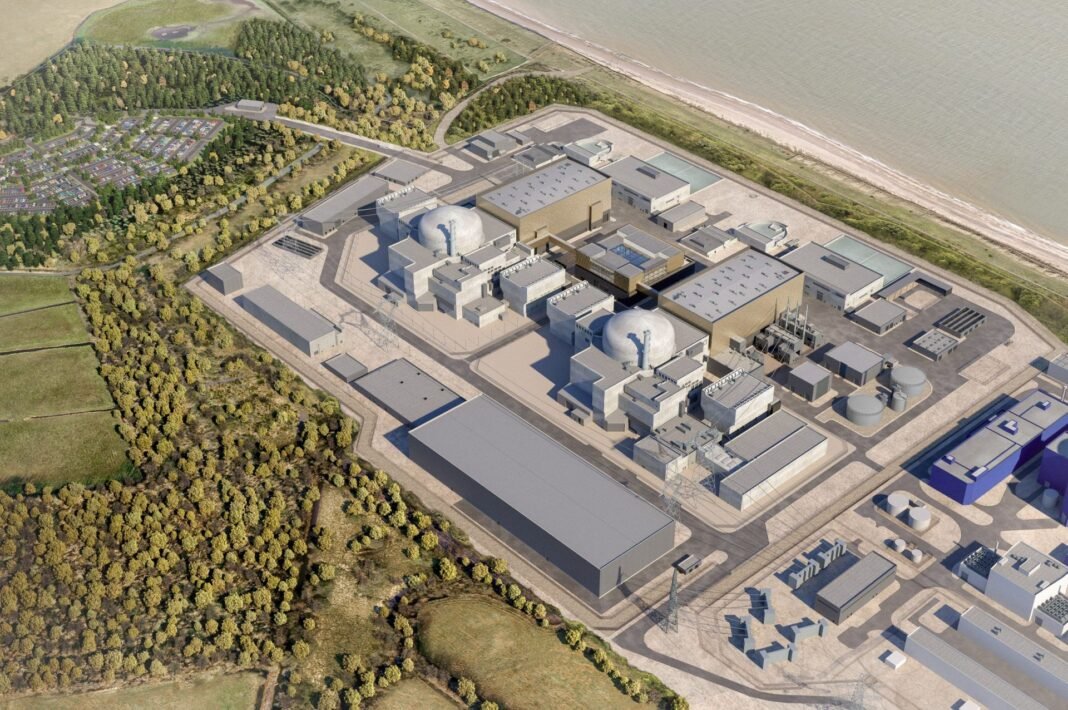
The UK government has taken a major step in backing the Sizewell C nuclear power plant, becoming its largest shareholder. Officials confirmed a £14.2bn taxpayer investment, securing a 44.9% stake in the controversial project. Meanwhile, the total cost has surged to £38bn, nearly double the last official estimate of £20bn.
Additionally, four other companies will help fund the Sizewell C nuclear power plant. These include French energy giant EDF, British firm Centrica, Canadian investor La Caisse, and infrastructure group Amber Infrastructure. Together, they will hold the remaining shares, with EDF taking 12.5%, La Caisse 20%, Centrica 15%, and Amber Infrastructure 7.6%.
Critics argue that the public will bear the financial burden if costs overrun. Alison Downes, director of the campaign group Stop Sizewell C, slammed the decision. She claimed the project only advanced because taxpayers, not private investors, shoulder the risk. Furthermore, she warned households might face a new construction tax on energy bills.
Downes also expressed shock at the sudden cost increase. “The government only now admits the Sizewell C nuclear power plant will cost £38bn,” she said. “This figure will keep rising.”
Despite opposition, the government insists the project will bring major benefits. Energy Secretary Ed Miliband called it a crucial step toward energy security. He emphasized that nuclear power will reduce reliance on fossil fuels and cut energy bills long-term.
Martin Giles, a local reporter, noted large areas of land have already been cleared for construction. Meanwhile, Julia Pyke, joint managing director of Sizewell C, highlighted economic advantages. She said 70% of construction spending will stay in the UK, creating 10,000 jobs and boosting regional businesses.
The UK has a strong nuclear history, launching the world’s first commercial plant in the 1950s. However, no new reactors have opened since 1995. With most existing plants set to close by the 2030s, the Sizewell C nuclear power plant could play a vital role in future energy supply.
Still, delays and funding struggles have plagued the project. First proposed in 2009, it took 14 years to secure full investment. Now, with government backing, supporters hope construction will finally move forward.
As debates continue, one thing is clear: the Sizewell C nuclear power plant will remain a hot topic for years to come.
For more business updates, visit London Pulse News.