
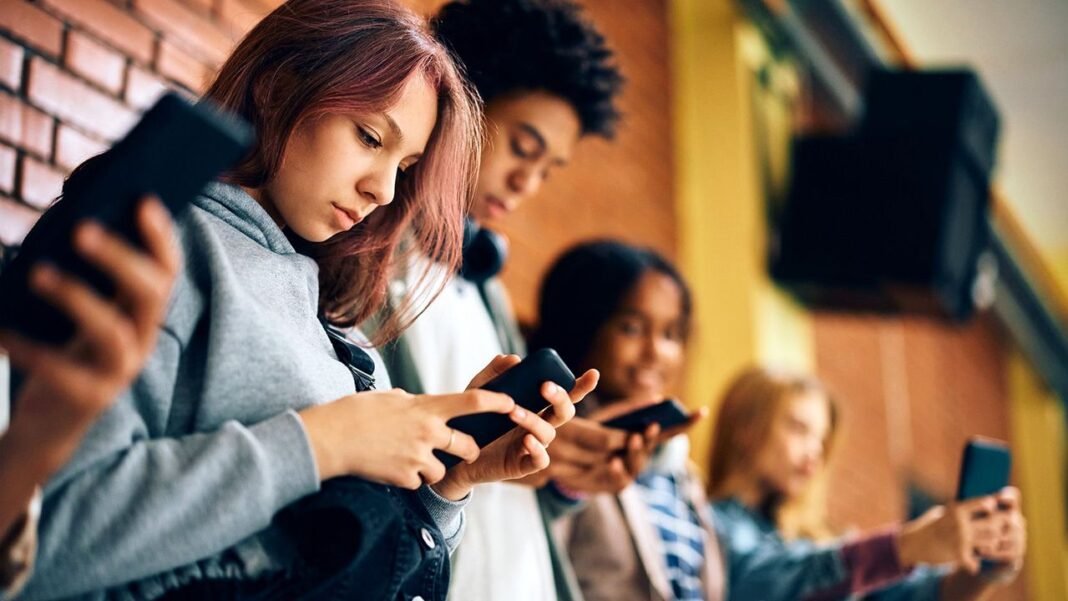
Social Media Ban UK discussions have intensified as ministers launch a major child safety consultation. The proposal has also drawn interest from British artists concerned about young audiences online. As a result, digital regulation has returned to the centre of political debate, with growing pressure on leaders to act.
The UK government has confirmed plans to explore stricter controls on children’s social media use. Specifically, ministers want to study Australia’s new under-16 social media restriction. Therefore, officials will travel overseas to assess how the policy works in practice and whether it could succeed in Britain.
Australia introduced the world’s first nationwide youth social media ban last month. Consequently, UK policymakers want to learn from early outcomes and enforcement challenges. The government believes evidence-based decisions remain essential before introducing similar measures at home.
Meanwhile, the consultation will examine several additional safety measures beyond a possible ban. For example, officials will review the digital age of consent, which currently allows children to access platforms from age thirteen. They will also consider whether that threshold remains appropriate.
In addition, ministers will explore phone curfews for younger users to reduce excessive screen time. They also plan to assess design features that encourage heavy use. These include endless scrolling and reward-based streak systems that keep children engaged.
Furthermore, the government wants stronger age verification tools across major platforms. Officials believe better checks could prevent underage access more effectively. Therefore, technology companies may face new compliance duties under future rules.
Social Media Ban UK proposals also connect to wider digital concerns affecting children. Recently, AI-generated harmful content sparked global alarm. Reports highlighted serious risks involving non-consensual images and online exploitation.
As a response, the UK has already moved to outlaw AI nudification tools. Ministers also want to block children from creating or sharing explicit material. They argue prevention must start early to reduce long-term harm.
Technology Secretary Liz Kendall stressed the importance of child wellbeing during the announcement. She said digital tools should enhance childhood, not damage it. Accordingly, the government wants firm protections in place.
However, officials have not confirmed a specific age threshold yet. Instead, they plan to consult parents, educators, and experts nationwide. This approach aims to balance safety with freedom and practicality.
Political disagreement has already emerged around the plans. Opposition leader Kemi Badenoch criticised the consultation process. She argued the government should act faster to protect children online.
Badenoch claims her party already supports a firm under-16 ban. Therefore, she accused ministers of delaying decisive action. She also described the move as a copy of earlier proposals.
Despite criticism, Labour insists consultation remains necessary. Ministers say rushed laws risk poor enforcement and weak outcomes. They want workable rules rather than symbolic gestures.
British artists have also joined the wider conversation on digital safety. Many creatives worry about young fans facing online harm. As a result, they support stronger safeguards for children.
Social Media Ban UK debate now continues across politics and culture. Parents, teachers, and campaigners continue sharing views. The consultation will shape future digital policy.
Ultimately, ministers aim to publish recommendations later this year. Until then, discussions will remain intense. Social Media Ban UK remains a defining issue for child online safety.
For more updates on this news, stay tuned to London Pulse News.