
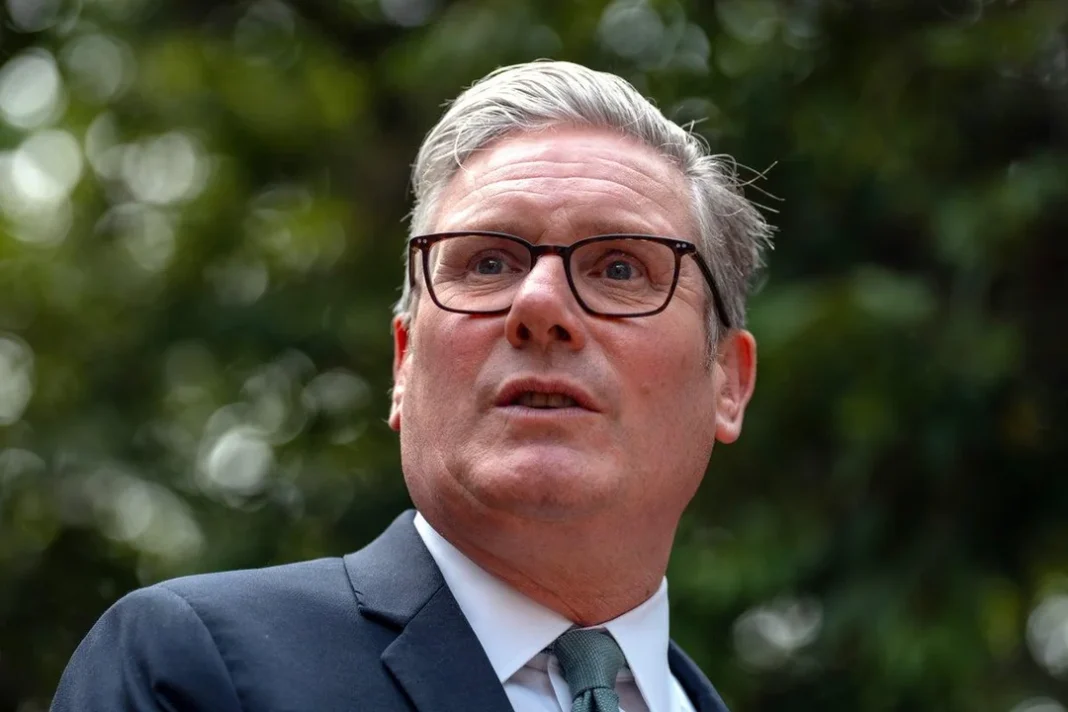
Starmer unpopularity has reached levels comparable to Boris Johnson before he resigned as prime minister. Recent polling shows a significant drop in the prime minister’s approval ratings after a challenging few weeks for the government.
YouGov reports that only 19% of British voters hold a favourable opinion of Starmer. In contrast, 73% view him unfavourably. His net favourability score of minus 54 represents the worst rating he has ever received from this pollster. Interestingly, this figure is almost identical to Boris Johnson’s minus 53 rating before he stepped down in 2022.
However, Starmer still remains more popular than Liz Truss, whose net approval reached minus 70 before she left No.10. The prime minister’s poor numbers follow a series of internal disputes and public disagreements within the Labour Party.
Recently, a briefing war erupted between No.10 and Health Secretary Wes Streeting, who was accused of plotting to replace Starmer. Streeting has strongly denied the claim. In response, Starmer held a cabinet meeting on Tuesday and made a public appeal for unity among his team.
In addition, a Home Office crackdown on illegal immigration has highlighted divisions within the party. Labour faces criticism over Rachel Reeves’ reversal on plans to raise income tax in the upcoming Budget. This policy U-turn has reinforced the perception of chaos surrounding the government.
While Starmer’s popularity continues to decline, other political figures maintain steadier positions. Kemi Badenoch and Nigel Farage both have net approval ratings of minus 32. Meanwhile, Liberal Democrat leader Ed Davey sits at minus 9, and Green Party leader Zack Polanski holds minus 2.
Analysts suggest that ongoing internal conflicts and controversial policy reversals may continue to affect Starmer’s public support. Moreover, the government’s struggles to present a coherent strategy on key issues seem to reinforce voter scepticism.
Starmer unpopularity reflects broader challenges facing the Labour Party as it tries to consolidate leadership and policy messaging. Observers note that without stronger unity and clear direction, approval ratings could decline further.
Ultimately, Starmer unpopularity highlights a tense political climate where internal disagreements and public scrutiny dominate headlines. The prime minister faces pressure to restore credibility while maintaining party cohesion in the lead-up to major national decisions.
For more UK political news update, stay tuned to London Pulse News.