
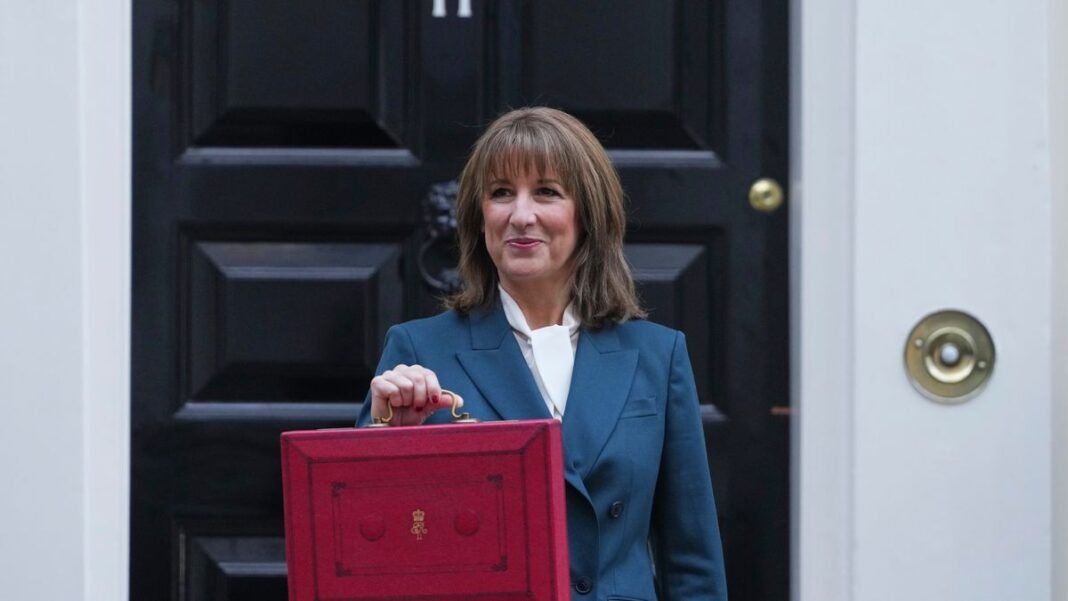
Chancellor Rachel Reeves admitted that too many leaks surrounded the recent Budget. She told MPs today that they were very damaging.
Reeves said she feels frustrated and has launched a Treasury leak inquiry to identify those responsible. She confirmed the inquiry will focus on briefings on November 13.
She told the Treasury Select Committee that the department is also reviewing its security processes. The team will check both physical and IT security across Treasury offices.
Some critics accuse Reeves of exaggerating a so-called “black hole” in public finances. They argue she used it to justify additional tax hikes on November 26.
The Office for Budget Responsibility (OBR) informed the Treasury in September that long-term productivity downgrades were offset by higher tax revenues and inflation. By the end of October, the books showed a small surplus.
However, Labour’s policy reversals, including scrapping the two-child benefit cap and cutting winter fuel allowance, caused a temporary shortfall. Reeves then held a press conference stressing the fiscal challenges before announcing £30 billion of tax increases.
During the session, Reeves defended her decisions. She denied the income tax threshold freeze for three more years breached Labour’s manifesto, although it will raise taxes for working people. She insisted she balanced measures correctly despite later adjustments.
Reeves stressed she continues to focus on economic growth. The OBR has not scored any of her recent measures as a major boost. When asked if further tax increases might be needed, she said she reserves the right to act.
The Treasury leak inquiry will examine ministers, officials, and advisers. Permanent Secretary James Bowler said the inquiry will include everyone with access to sensitive information. Reeves emphasized that inclusion does not imply guilt.
The Financial Conduct Authority (FCA) warned it may investigate if the Treasury leak inquiry does not resolve the situation. Reeves described the November 13 briefing leak as unauthorized and “incredibly damaging.” She said it affected market confidence and required urgent action.
Reeves added that she and Prime Minister Keir Starmer jointly decided to abandon plans for a manifesto-busting income tax hike. She defended other Budget measures aimed at limiting contributions from working people.
A YouGov poll shows public frustration with Labour’s tax and spend policies. Forty-five percent of respondents said taxes and spending are too high. Only 11 percent think the balance is right.
The threshold freeze will result in a quarter of the working population paying higher or top-rate tax by 2031, up from 15 percent in 2021.
For further development updates on this news, follow London Pulse News.