
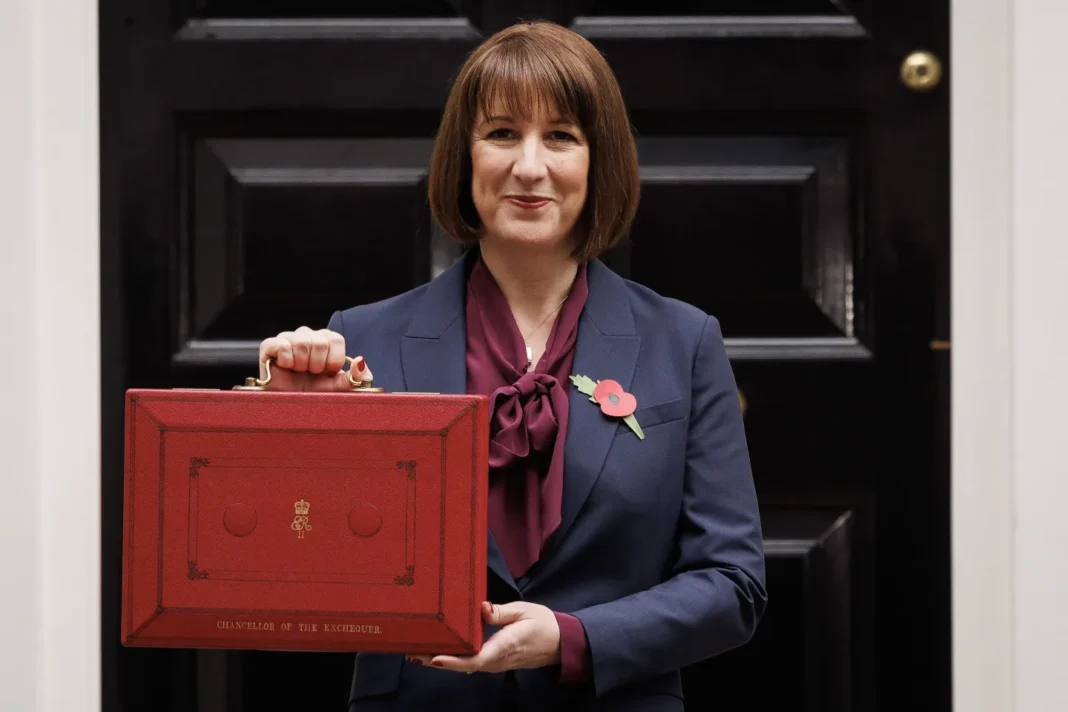
Chancellor Rachel Reeves faces intense new pressure. Consequently, UK borrowing costs have hit a twenty-seven-year high. The yield on thirty-year government bonds reached 5.68%. This marks the highest level since 1998. Therefore, it will cost the government much more to borrow money.
Yields rise when bond prices fall. They show the interest rate investors demand. This surge reflects a global sell-off in government bonds. Analysts blame rising inflationary expectations worldwide. Lenders now want a higher return on their investments.
Additionally, anxiety over fiscal sustainability is growing. For example, US policies under Trump will add trillions to debt. In Britain, proposed welfare cuts face strong opposition. This highlights the difficulty of reducing spending.
Meanwhile, traders fled to safe-haven assets. Gold prices reached a record high of $3,508 an ounce. Silver also rose above $40 for the first time since 2011. These moves signal deep market nervousness.
Rising UK borrowing costs are a major blow to the Treasury. They severely eat into limited fiscal headroom. Chancellor Reeves must now find more savings. She might consider tax rises or spending cuts. Her key fiscal rule requires debt to fall in five years.
This financial pressure comes amid a political reshuffle. Prime Minister Starmer reorganized his Downing Street team. He put Darren Jones in charge of delivering priorities. However, the market reaction was not positive.
One chief economist called the move a confidence vote. Markets see it as signaling more gilt issuance. Furthermore, they expect higher inflation ahead. Another analyst warned of a potential “doom loop”.
Waning investor confidence could be hugely damaging. Therefore, the Chancellor must keep bond markets onside. Any misstep with fiscal rules would be punished severely. The UK borrowing costssituation creates a tricky tightrope. Reeves must navigate it carefully in her upcoming budget.
For more business updates, visit London Pulse News.