
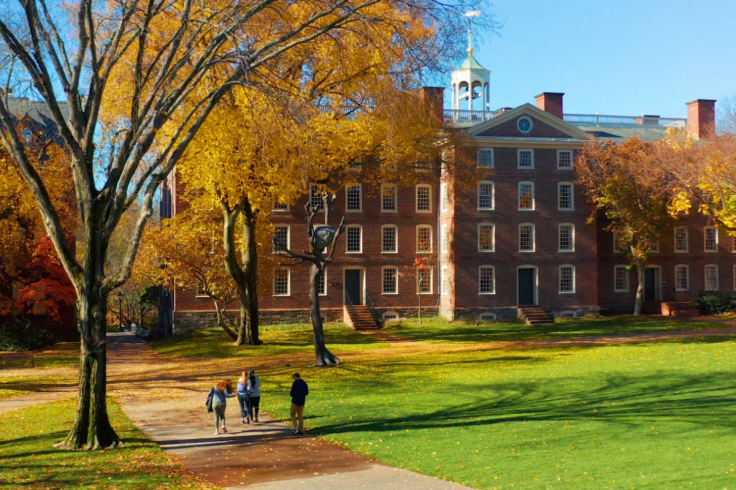
University insurance costs are expected to rise after a deadly shooting at Brown University exposed major campus security gaps. Students faced delayed alerts and unlocked doors during finals week, showing the urgent need for improved emergency preparedness in U.S. colleges.
The shooting occurred on Saturday at Brown University’s Barus and Holley engineering building in Providence, Rhode Island. Two students, Ella Cook, 19, and Mukhammad Aziz Umurzokov, 18, were killed, and nine others were injured. More than 400 police officers responded, while students barricaded themselves in dorm rooms and libraries for hours. Families and campus leaders now confront the human and financial toll of the attack.
Experts warn that the incident could push university insurance costs higher nationwide. Universities already spend millions on liability coverage, but Brown’s tragedy shows that weak security can raise claims and premiums. Analysts stress that delayed alerts and gaps in emergency systems directly influence insurance calculations.
University officials are reviewing safety protocols, including rapid alert systems, access controls, and staff training. Law enforcement reported that the gunman exploited poorly secured doors and slow notifications, which delayed response. Institutions now face pressure to strengthen safety measures while maintaining academic operations.
The higher education sector is also examining the financial impact. Colleges across the country may see rising liability premiums, making university insurance a critical part of budgets. Legal experts note that negligence settlements in mass shootings can reach tens of millions, directly affecting coverage costs.
Political leaders and advocacy groups call for nationwide campus security standards. Mandatory drills, upgraded alert systems, and better coordination with local authorities aim to reduce risks and limit insurance cost increases.
Looking ahead, university insurance providers will reassess risk models and demand stronger safety protocols from colleges. Campus leaders, students, and families will closely watch how these reforms shape higher education safety and financial planning.
University insurance costs now sit at the intersection of safety, finance, and policy, showing the consequences when preventive measures fail. For many U.S. institutions, rising insurance costs will result directly from lessons learned at Brown University.
For more updates, stay tuned to London Pulse News.