
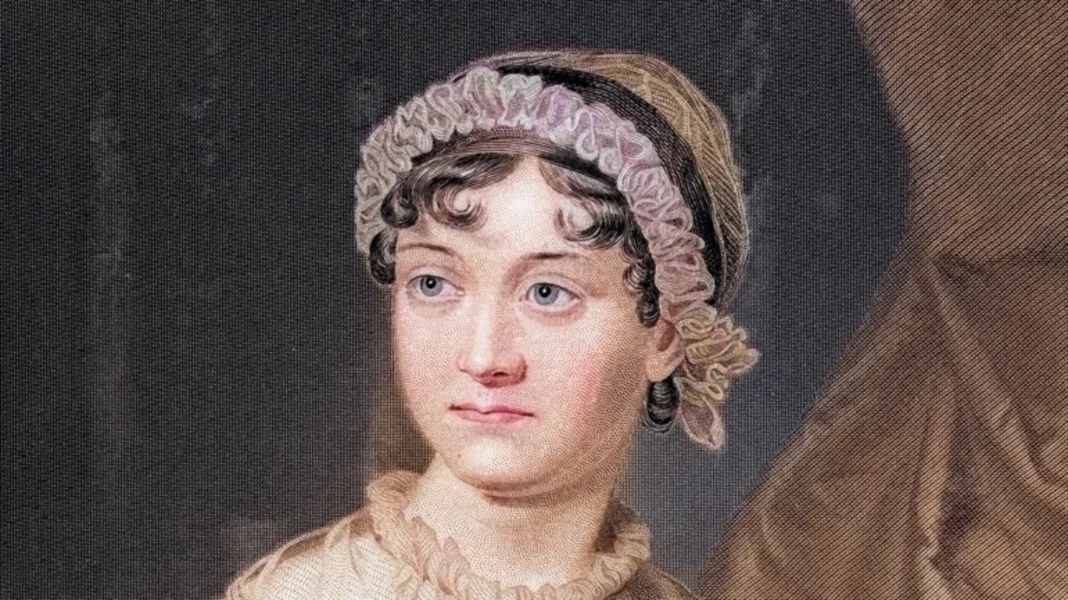
The Oxford Austen Legacy shapes a new exhibition that explores Jane Austen’s long family history at the University of Oxford. The college highlights how her close and extended relatives built meaningful links with Oxford over many generations. The Oxford Austen Legacy also frames many of the show’s discoveries, which reveal the depth of the writer’s ties to St John’s College.
College president Michael Riordan explains that nearly all branches of the Austen family maintained strong relationships with the university. He notes that St John’s founder Sir Thomas White died in 1567, yet Austen descends from White’s sister. This fact makes Austen the seven times great niece of the college’s founder. Riordan adds that four straight generations of male Austen relatives worked as fellows at the college. This detail strengthens the Oxford Austen Legacy even more.
Austen briefly studied in Oxford in 1783 when she was only seven. Co-curator Dr Timothy Manningmore says her stay lasted a short time and brought her little joy. He describes her tone about Oxford as satiric and sharp. He explains that she often used humor to describe her surroundings. Furthermore, he sees traces of Oxford in many of her fictional characters. According to him, both noble and flawed characters in her books came from Oxford and kept their personalities unchanged.
Manningmore points out that Austen’s brothers, James and Henry, formed deep affection for the college. They lacked the wealth of many classmates, yet they enjoyed their studies. They also integrated easily into student life and embraced the lively atmosphere.
Riordan enjoys sharing one surprising exhibit piece. He presents a record of George Austen’s dinner in the college hall. The menu includes fish, sauce, gooseberry pie, and lemons. It also lists tongue and udder, which students liked during the eighteenth century. These details create a vivid picture of daily life at the time.
The exhibition also features two editions of The Loiterer. Visitors can read a piece that many scholars link to Jane Austen. The short work describes gloomy halls and dusty libraries in witty language.
Manningmore states that the letters in the exhibition hold immense value. They are rare because many were burned after Austen’s death. Only a tiny fraction survived. Therefore, holding a folio of five letters makes the exhibition remarkably special.
For more updates on this news, stay tuned to London Pulse News.