
The abortion law reform passed a major hurdle as peers in the House of Lords supported decriminalisation. Labour MP Tonia Antoniazzi introduced the amendment last year to end police investigations under a 164-year-old law.
The legislation targets prosecutions under the 1861 Offences Against the Person Act, which has seen over 100 cases. Archbishop of Canterbury Sarah Mullally opposed the change, warning it could weaken safeguards for unborn children.
Conservative peer Baroness Monckton tabled an amendment to overturn Antoniazzi’s proposal, calling it an “extreme social change.” She argued MPs had debated the measure too quickly and without sufficient scrutiny for such serious matters.
Monckton warned the law could have tragic consequences for women, echoing the Archbishop’s concerns about life protection. Conservative Baroness Lawlor said the amendment risked ending tiny lives cruelly and haunting mothers forever.
Labour peers, including Baroness Neate, defended the reform, highlighting how barriers to abortion can harm abuse survivors. “Clinically unnecessary barriers protect abusers, not women,” she told the Lords during the debate.
Peers rejected Monckton’s amendment by 185 votes to 148, allowing abortion law reform to move forward. They also dismissed a bid to require mandatory in-person consultations for medical abortions at home.
Tory Baroness Stroud argued face-to-face appointments would safeguard women and ensure correct gestational assessment. The government made at-home medical abortions legal during the Covid-19 lockdown in March 2020.
Since 2022, women under ten weeks and six days of gestation can legally take abortion pills at home. Peers voted 191 to 119 against restoring compulsory in-person consultations.
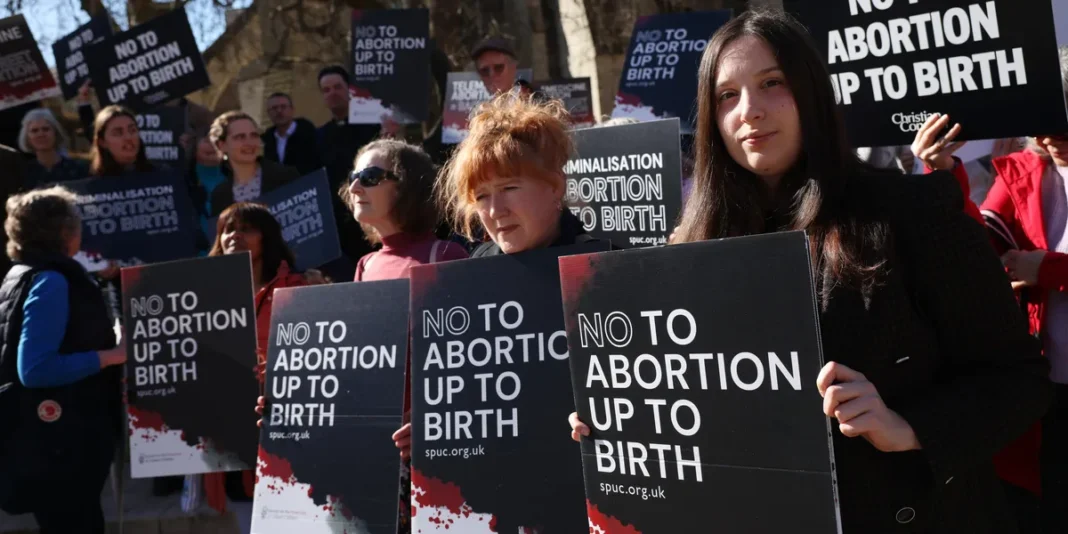
Pro-choice and pro-life campaigners gathered outside the Lords with banners and placards before the vote. Pro-life campaigner Sarah said every child is valuable, expressing concern about abortion harming women and unborn babies.
Pro-choice advocate Louise McCudden said criminalisation makes abortion less safe and disproportionately affects women. She called the vote “historic,” saying it could pardon women previously convicted and end ongoing investigations.
McCudden noted global rollbacks in reproductive rights, praising the UK Parliament for protecting women’s autonomy. The abortion law reform now advances toward implementation, potentially ending police involvement in women’s reproductive choices.
For more updates on this news, follow London Pulse News.