
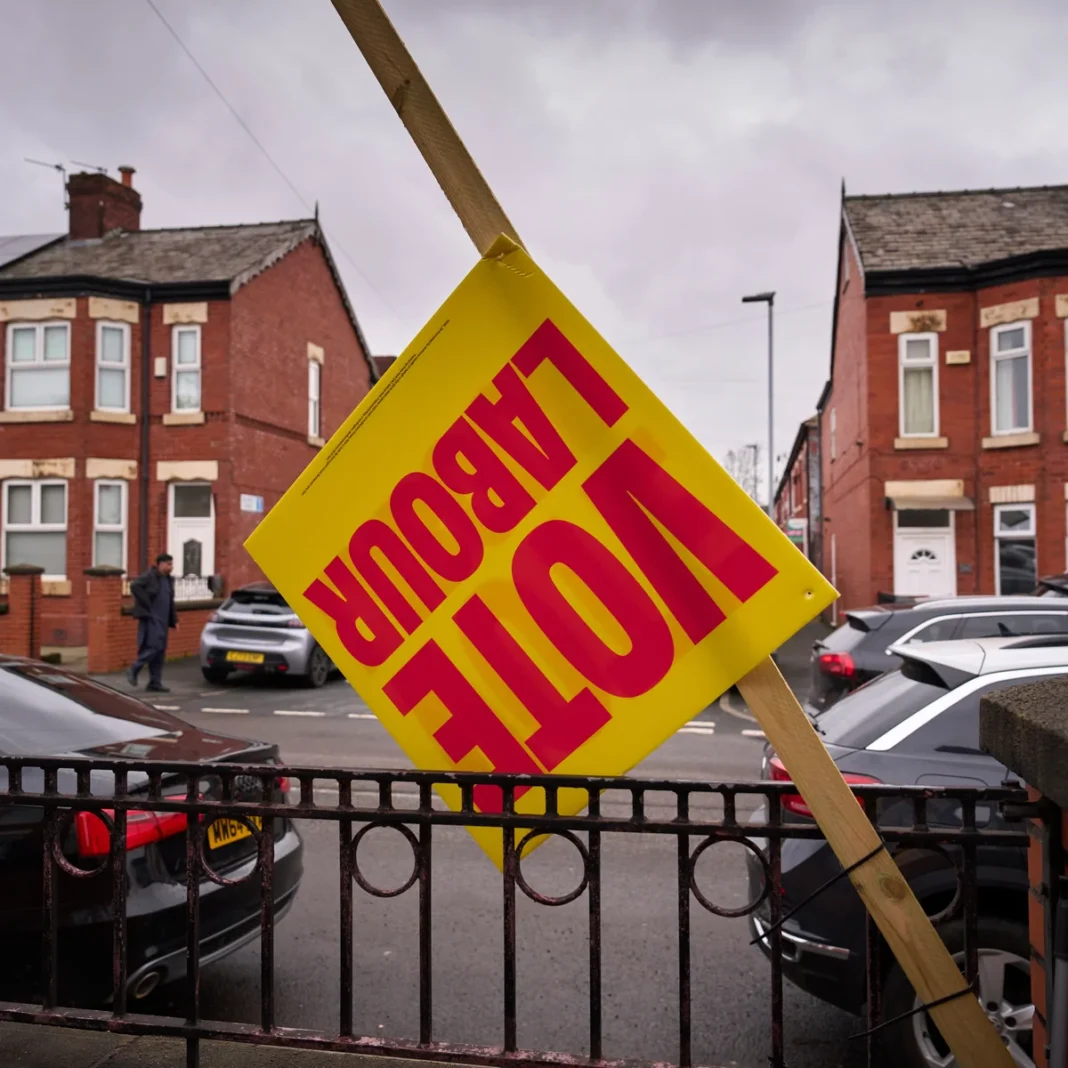
Labour losses forecast dominate the political conversation ahead of next week’s local elections in England. Political analysts now expect major shifts across councils and devolved governments. Lord Robert Hayward, a leading elections expert, released updated projections and warned that Labour could suffer steep setbacks on 7 May.
Labour losses forecast suggest that Labour may lose around 1,850 council seats. This outcome would strip the party of nearly three-quarters of the seats it currently defends. The party holds 2,557 seats in this electoral cycle, so the projected losses could significantly reshape local political control.
Hayward previously estimated around 1,500 seat losses for Labour. However, his revised forecast increases pressure on the party leadership and raises concerns about voter sentiment. Labour losses forecast also point to wider political instability across multiple regions. As a result, Labour may struggle to maintain influence in several key councils.
At the same time, the Conservative Party also faces notable setbacks. Analysts expect the Conservatives to lose about 600 councillors across England. Therefore, both major parties could see reduced control in local government.
Reform UK appears positioned for strong gains. Hayward predicts the party could gain around 1,550 seats. These gains may come directly from losses experienced by Labour and the Conservatives. Consequently, Reform UK could expand its local political presence at a rapid pace.
The Green Party also expects significant progress. Forecasts suggest the Greens could gain approximately 500 seats, particularly in London and other major urban areas. Furthermore, the Liberal Democrats may add around 150 seats as they continue to strengthen in select regions.
Independent candidates may also benefit from voter dissatisfaction. Analysts forecast around 250 independent seat gains across England. Labour losses forecast continue to shape expectations for national political momentum. Therefore, parties have intensified campaigning efforts in key battleground areas.
Turning to devolved elections, Wales is expected to see a closely contested result. Hayward predicts Plaid Cymru could emerge as the largest party depending on both vote share and seat totals. Meanwhile, Scotland may also deliver a tight outcome, with the Scottish National Party potentially falling just short of a majority.
Consequently, coalition or cooperation could become necessary in the Scottish Parliament. Overall, the forecasts highlight significant volatility across the United Kingdom. Voters may produce fragmented outcomes across multiple levels of government.
Analysts believe turnout and local issues will play a major role in shaping results. Additionally, national political sentiment may influence voter behaviour across regions. Labour losses forecast remain central to these predictions and underline growing uncertainty around Labour’s position in local government.
As election day approaches, parties continue to increase outreach and campaigning activity. Therefore, final results may still shift depending on late voter decisions. Ultimately, these elections could reshape the balance of local political power across Britain.
For more updates on this news, follow London Pulse News.