
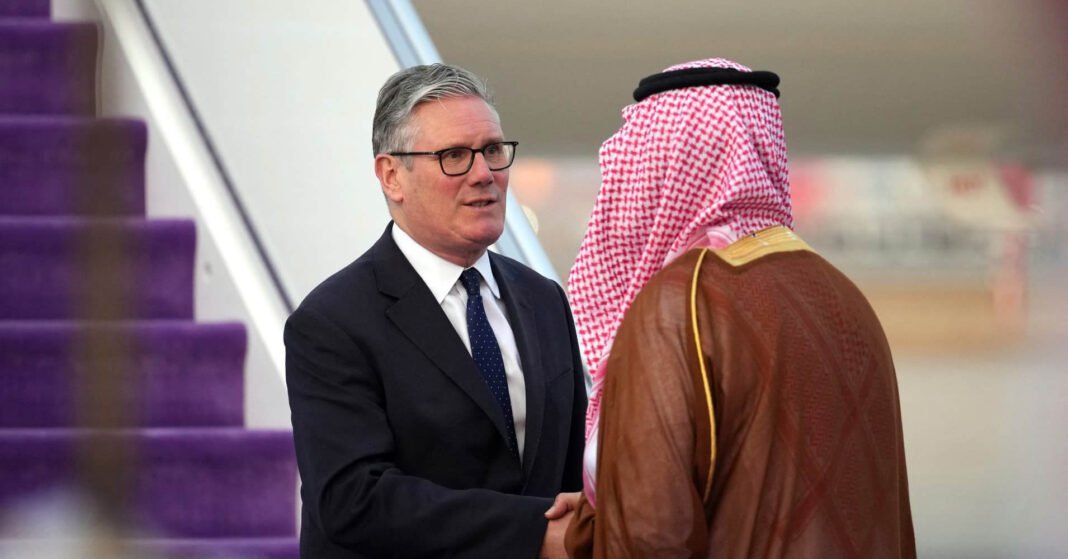
The UK has secured a major Gulf trade deal worth an estimated £3.7 billion to the British economy, with ministers promising fresh export opportunities for farmers and food producers across the country. The agreement also protects existing UK food and animal welfare standards, according to government officials.
The deal involves six Gulf Cooperation Council nations, including Bahrain, Kuwait, Oman, Qatar, Saudi Arabia and the United Arab Emirates. Ministers expect the agreement to remove around £580 million in annual export tariffs once it takes full effect.
British farmers could benefit from growing demand for products such as lamb, cheese and oats. Industry leaders believe the agreement will strengthen trade links with one of the world’s fastest-growing food import regions. Rising demand for premium British produce has already increased interest in the Gulf trade deal.
Government officials confirmed the UK will maintain current tariffs on imports including chicken, eggs and pork from GCC countries. That decision prevents lower-standard products from gaining easier access to British markets. Farming organisations welcomed the move and praised ministers for protecting domestic producers.
National Farmers’ Union president Tom Bradshaw described the agreement as a positive outcome for British agriculture. He said ministers listened to industry concerns during negotiations. Bradshaw added that the deal supports British exports while protecting vulnerable farming sectors at home.
The Gulf region already serves as a major market for British sheep meat exports. The UK exports around £9.4 million worth of sheep meat to GCC countries every year, while Kuwait alone accounts for more than £7.5 million of that trade annually.
Industry experts expect British lamb producers to benefit from lower export costs once tariffs disappear. Current charges on frozen sheep meat stand at around five percent. Removing those tariffs could help UK businesses expand further across Gulf markets.
British dairy exporters may also gain significant advantages under the agreement. UK dairy exports to GCC nations reached more than £99 million in 2025, while cheese exports increased sharply in recent years as demand for premium products continued to rise.
Saudi Arabia remains an important customer for British oats. The UK exported more than £20 million worth of rolled and flaked oats to the region last year. Farmers hope the Gulf trade deal will encourage even greater export growth in the coming years.
Prime Minister Sir Keir Starmer described the agreement as a major victory for British businesses and workers. Business Secretary Peter Kyle said the deal provides stability during uncertain global economic conditions. Chancellor Rachel Reeves also said the agreement demonstrates the government’s commitment to helping British firms compete internationally.
Despite the positive response, farming leaders continue to push for stronger protections in future trade negotiations. The NFU still wants minimum production standards for imported food products. Industry figures believe those safeguards would protect British farmers from unfair overseas competition.
For more updates on this news, follow London Pulse News.