
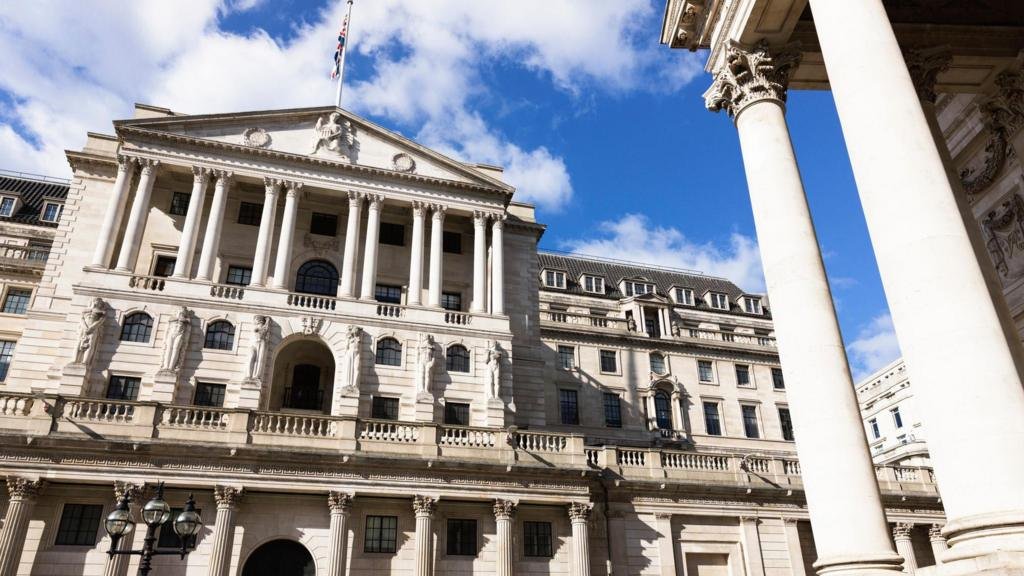
Rate decision update dominated financial headlines after the Bank of England announced it would hold interest rates at 3.75%. Rate decision update discussions quickly followed as policymakers warned that inflation pressures may still increase in the months ahead. Moreover, officials linked the outlook to recent global energy market instability.
The Bank of England confirmed the decision after a Monetary Policy Committee vote. Seven members supported keeping rates unchanged. However, two members preferred a rate increase to 4% due to inflation risks.
Governor Andrew Bailey explained that recent movements in energy prices influenced the decision. He noted that oil prices had fallen in recent days. Nevertheless, he warned that prices remained higher than before recent geopolitical tensions.
Officials stated that inflation pressures continue to build from earlier energy shocks. They explained that previous increases in fuel costs still affect the wider economy. Therefore, households and businesses may continue to feel price pressure in the near term.
The rate decision update also reflected changing global conditions. Reports of a temporary agreement affecting oil transport routes contributed to falling energy prices. As a result, markets adjusted expectations for inflation slightly downward.
The Monetary Policy Committee revised its inflation forecast based on these developments. It now expects inflation to remain just under 3% over the next quarter. Additionally, it projects a slight rise above 3.25% later in 2026.
Earlier projections had shown a more severe inflation outlook. In some scenarios, inflation could have peaked significantly higher if oil prices stayed elevated. However, recent price movements reduced the likelihood of extreme outcomes.
Despite this improvement, inflation remains above the Bank’s 2% target. Recent figures showed inflation holding at 2.8% in May. Consequently, policymakers continue to monitor risks closely.
The rate decision update also revealed divisions within the committee. Some members expressed concern about ongoing uncertainty in global energy markets. Others focused on potential risks of delaying further tightening measures.
Members who supported a rate increase argued that inflation risks remain uneven. They highlighted volatility in energy prices and unpredictable global developments. Therefore, they preferred a more cautious monetary stance.
However, the majority concluded that holding rates was the most balanced approach. They pointed to easing energy prices as a stabilising factor. Additionally, they noted that recent data did not justify immediate tightening.
The Bank of England emphasised that future decisions will depend on incoming economic data. Officials signalled that inflation trends, wage growth, and energy markets will remain key indicators. Therefore, further adjustments remain possible if conditions change.
The rate decision update highlighted ongoing uncertainty in the UK economy. It also demonstrated how external global events continue to influence domestic monetary policy. As a result, financial markets will closely watch the next policy meeting for further direction.
For more updates on this news, follow London Pulse News.