
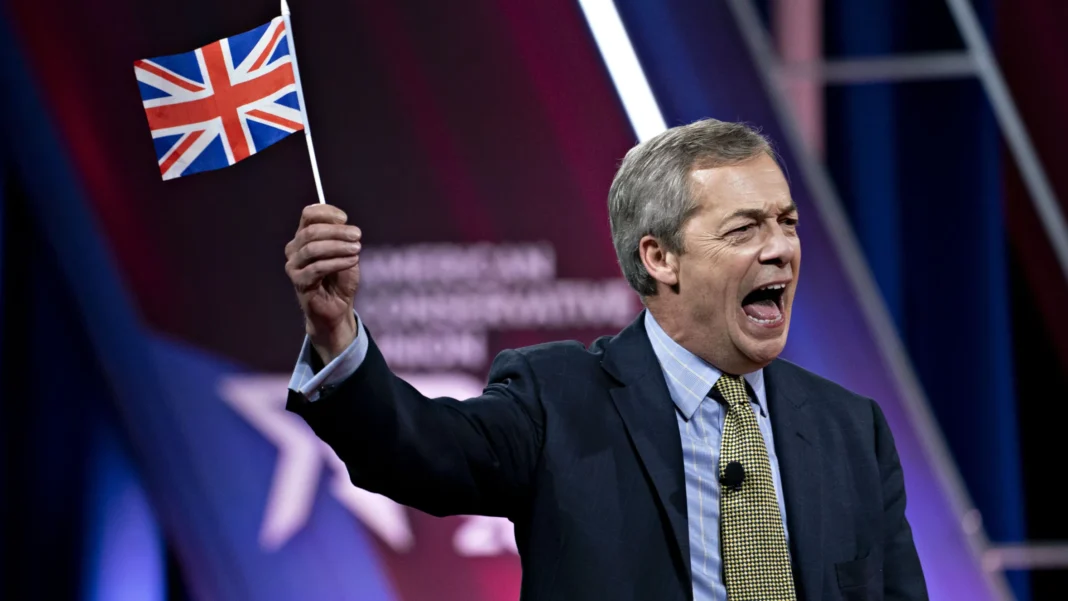
The patriotic school plan has moved into the spotlight as Reform UK outlines major education changes. The patriotic school plan aims to reshape how students learn history and national identity.
Party leaders revealed the proposals ahead of St George’s Day. They say the reforms will rebuild national pride across schools in England. Under the plan, every school would display the Union flag prominently. In addition, schools would place a portrait of King Charles III in shared spaces. Officials argue these steps will reinforce a sense of unity among pupils.
At the same time, the party wants to overhaul the history curriculum. Leaders claim current teaching relies too heavily on modern interpretations. They instead propose a stronger focus on traditional national narratives. The new curriculum would highlight major events from British history. These include the Magna Carta, the Wars of the Roses, and the English Civil War. It would also cover the Glorious Revolution and the Act of Union.
Furthermore, lessons would explore the Enlightenment and the Victorian era. These topics already appear in many exam courses, but the party wants them to take priority. The proposal sets a clear target for classroom content. British history would account for at least 60 percent of assessed material. Ministers would gain powers to enforce these rules if schools fail to comply.
Suella Braverman, named as the party’s prospective education secretary, strongly backed the changes. She argued that recent governments weakened academic standards and national identity. She also promised swift action if the party enters power. In addition, the plan includes symbolic measures across schools. Pupils would mark national events such as St George’s Day. Schools in Scotland and Wales could also receive funding to display the Union flag alongside regional flags.
However, education policy remains devolved across the UK. This means regional governments would decide whether to adopt similar measures. The announcement has already sparked debate among educators and political observers. Supporters believe the reforms will strengthen national awareness among students. Critics question whether the approach narrows historical understanding.
Even so, the patriotic school plan continues to drive discussion across the education sector. As political momentum builds, the proposals could shape future debates on how history is taught in British classrooms.
For more updates on this news, follow London Pulse News.